

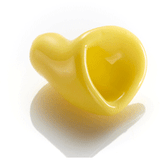




A poor seal is the reason most people think waterproof earplugs do not work. They buy a generic pair, wear them once at the pool or in the surf, then wonder why water still gets in, the plug loosens, or their ears feel blocked for hours afterwards. A good waterproof ear protection buying guide starts with that reality: the right product depends on what you are trying to keep out, how long you wear it, and whether comfort matters enough to wear it every time.
If you are shopping for waterproof ear protection, you are usually solving one of three problems. You may be trying to prevent water from entering the ear while swimming or showering. You may need protection for a child or adult prone to ear infections, irritation or post-surgery sensitivity. Or you may want a reusable option that stays put during regular lap swimming, ocean swims or water sports. Those use cases sound similar, but they do not all suit the same plug.
What waterproof ear protection actually does
Waterproof ear protection is designed to create a physical seal at the entrance to the ear canal or outer ear. That seal helps stop water ingress. Unlike noise earplugs, the main job here is not certified sound reduction. Some water-safe plugs will reduce noise a little because they block the canal, but that is a side effect, not the selling point.
That matters because many buyers assume all earplugs are interchangeable. They are not. A foam plug that works on a noisy worksite is not built for repeated contact with water. It can absorb moisture, lose shape and become unhygienic quickly. For swimming or bathing, you want materials and shapes designed specifically for wet environments.
Waterproof ear protection buying guide: what to check first
The first question is simple: do you need true water exclusion, or just splash resistance? If you are a recreational swimmer doing a few laps each week, a well-fitted reusable swim plug may be enough. If you have recurring ear issues, grommets, a perforated eardrum, or medical advice to keep the ear completely dry, fit becomes far more critical and custom-moulded options are often the safer choice.
The second question is about movement. Standing under a shower is one thing. Diving into a pool, bodysurfing at the beach, or spending an hour doing flip turns is another. The more movement involved, the more likely a poor fit will break seal.
The third is whether you are buying for short-term convenience or long-term reliability. Disposable or low-cost reusable plugs can suit occasional use. If you are in the water several times a week, durability, hygiene and comfort usually matter more than the lowest price.
Material makes a bigger difference than most people expect
Most waterproof earplugs are made from silicone, thermoplastic materials, or a softer medical-grade compound. Silicone is popular because it is flexible, water resistant and generally comfortable. Some plugs are mouldable and sit over the outer ear opening rather than deep in the canal. Others are pre-shaped and insert more securely.
Softer does not automatically mean better. A very soft plug can feel pleasant at first but may shift during movement. A firmer reusable design may hold seal better for active use. The trade-off is that some people find firmer plugs less comfortable for longer sessions. If you have sensitive ears, that balance matters.
Universal fit versus custom-moulded
Universal-fit swim plugs are the usual starting point. They are affordable, easy to replace and suitable for many adults and children when sized correctly. The catch is consistency. Ear canals vary a lot. If the shape does not match your ear, even a well-made plug may leak or feel insecure.
Custom-moulded waterproof ear protection is made from an impression of your ear, so the fit is far more precise. For regular swimmers, people with a history of ear irritation, or anyone tired of adjusting generic plugs mid-session, custom can be a smart long-term investment. You pay more upfront, but you gain comfort, retention and confidence that the plug will stay sealed where cheaper options often fail.
That does not mean custom is always necessary. If you swim occasionally and a reusable universal plug seals properly, there may be no reason to spend more. The right choice depends on frequency, sensitivity and how much frustration you are willing to put up with.
Comfort is not a soft extra
People often treat comfort as a bonus feature. It is not. If a plug hurts, feels bulky, creates pressure or pops loose, you will stop wearing it. That is especially true for children, shift workers showering after work, and adults managing ear conditions who need protection every time water is around.
A good fit should feel secure without being painful. You should not need to force the plug deep into the canal. You also should not feel like you need to keep checking it every few minutes. If you do, the size or design is likely wrong for you.
For side sleepers, this comfort issue is obvious with sleep plugs. For waterproof products, it shows up during long swims or repeated use across the week. Small fit issues become big annoyances when they happen often.
Hygiene, maintenance and product life
Waterproof earplugs need regular cleaning. Warm, moist environments are not forgiving if hygiene is poor. Reusable plugs should be washed and dried according to manufacturer instructions, then stored properly between uses. If they are left damp in a gym bag or loose in the glovebox, they will not last as long and may become unpleasant to wear.
This is another point where cheap products can disappoint. Lower-grade materials can harden, tear or discolour quickly. Better quality reusable plugs tend to keep their shape longer and are easier to clean. Custom products also tend to deliver stronger value over time because they are made for repeated use rather than near-disposable replacement cycles.
If sustainability matters to you, reusable and custom options also reduce waste compared with constantly replacing low-cost plugs that fail early.
Who should think seriously about custom waterproof protection
There are clear cases where custom deserves a close look. Frequent swimmers are one. So are children or adults who have trouble keeping standard plugs in place. Anyone with narrow or unusual ear canals, recurring swimmer's ear, healing ears, or specific medical advice to keep water out should also be cautious about relying on generic options.
For those buyers, product selection should not be guesswork. A specialist fitting service can help match the plug to the actual problem rather than selling a one-size-fits-all answer. That is where a provider such as Hearsafe Australia can be genuinely useful, especially if you want a solution built around fit, reuse and long-term wear rather than trial and error.
What not to buy for water use
Foam earplugs are the obvious one to avoid. They are not designed for waterproofing and they do not hold up well in wet conditions. You should also be wary of overly rigid plugs that claim universal fit but offer little flexibility, especially if you have had comfort issues before.
Be cautious with products that promise every benefit at once. A plug marketed as ideal for swimming, high-noise industrial use, sleeping and live music is usually trying to do too much. Hearing protection works best when it is matched to the environment. Water protection is no different.
A practical way to choose
Start with your use case, not the shelf label. Ask yourself how often you are in the water, how important a full seal is, whether you have any medical considerations, and how likely you are to maintain the plugs properly. If your needs are occasional and straightforward, a quality reusable swim plug may be all you need. If you swim often, struggle with fit, or cannot afford water leakage, custom is usually worth considering sooner rather than later.
Price matters, but value matters more. The cheapest option is rarely the most economical if it leaks, gets binned early, or sits unused because it is uncomfortable. Good ear protection should solve the problem clearly and keep solving it over time.
Your ears do not get a second chance after repeated irritation or preventable damage. Buy for the conditions you actually face, choose fit over marketing claims, and if you are unsure, get advice before another swim turns into another avoidable problem.
