

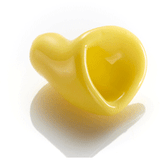




A leaking earplug can ruin a swim fast. One lap in, water gets trapped, your ears feel blocked for hours, and if you're prone to irritation or infection, the next day can be worse. Choosing the best earplugs for swimming is less about buying the first waterproof pair you see and more about finding the right fit, material and seal for how you actually swim.
For some people, that means a simple reusable pair for weekly laps at the local pool. For others, especially those dealing with recurring ear infections, grommets, sensitive ears or regular ocean swimming, a better-fitting option matters much more. The wrong earplug does not just feel annoying. It can fall out, let water in, or press uncomfortably enough that you stop wearing it altogether.
What makes the best earplugs for swimming?
The short answer is fit. If an earplug does not seal properly, the rest of the features do not count for much. Soft silicone, a low-profile shape and a reusable design are all useful, but they only work if the plug suits your ear canal and stays in place while you move.
Good swimming earplugs should create a reliable barrier against water without causing pressure pain. They should also be easy to insert and remove, particularly if you are using them several times a week. Comfort matters more than many swimmers expect. If a plug feels bulky, slippery or too firm, it tends to get abandoned in the swim bag.
Durability is another factor. Reusable earplugs are generally a better long-term option than cheap disposable alternatives, both for cost and waste reduction. For regular swimmers, investing in a product designed for repeated use usually delivers a better seal and a more consistent experience.
Off-the-shelf vs custom earplugs for swimming
This is where the decision becomes practical. Off-the-shelf earplugs can work well for casual swimmers, especially if your ears are fairly standard in shape and you only need protection now and then. They are accessible, quick to replace and often suitable for children and adults who want a straightforward solution.
But one-size-fits-all rarely means perfect fit. Ear canals vary more than people realise. If you have ever tried multiple pairs and still dealt with leaks, discomfort or plugs working loose mid-swim, the issue is usually not user error. It is fit.
Custom swim earplugs are moulded to the exact shape of your ears, which gives them a major advantage in both comfort and water resistance. For people with recurring ear issues, narrow or unusually shaped ear canals, or a need for dependable everyday protection, custom plugs are often the better investment. They also sit more securely, which matters if you are swimming laps, turning quickly, or spending time in the surf.
The trade-off is upfront cost. Custom options are more expensive than reusable universal plugs, and they require ear impressions or a fitting process. That said, when you compare that with repeatedly buying generic pairs that never quite work, custom can make strong sense.
The best earplugs for swimming depend on where and how you swim
Pool swimmers usually need a plug that seals consistently and feels comfortable for longer sessions. Chlorinated water can be irritating, and frequent exposure can aggravate sensitive ears. If you swim several times a week, comfort and repeatability matter more than novelty features.
Ocean swimmers have a slightly different set of demands. Movement, wave action and colder water can test a poor fit quickly. A plug that is fine in a calm pool may not stay put in open water. If you swim at the beach regularly, a more secure design or custom fit is often the smarter choice.
Children and adults with ear tubes, perforated eardrums or a history of infection need to be especially careful. In those cases, the aim is not just convenience. It is reducing the chance of water entering the ear canal and causing complications. That is where a properly fitted product becomes less of a preference and more of a protective measure.
Materials matter, but not as much as fit
Silicone is a common material for swimming earplugs because it is soft, flexible and generally comfortable against the skin. It also tends to create a better watertight seal than harder plastics. Some plugs are mouldable and sit over the outer ear opening, while others are flanged and fit into the canal.
Mouldable silicone can suit people who dislike the feeling of in-ear pressure, but it needs to be applied correctly and may not hold as securely during active swimming. Flanged reusable plugs can be easier to insert and remove, but if the sizing is off, they may either leak or feel too tight.
Custom earplugs usually use medical-grade materials designed for repeated wear and precise fit. They are made for comfort over time, not just a quick try-on in the bathroom mirror. That distinction matters if you are using them every week.
Signs your current swim earplugs are not doing the job
If your ears still feel wet or blocked after swimming, your earplugs may be letting water in. If they need constant adjusting, fall out during push-offs, or leave your ears sore, they are not the right fit. And if you avoid using them because they are fiddly or uncomfortable, they are failing in the most basic way.
A lot of swimmers put up with mediocre earplugs for too long because they assume all options are roughly the same. They are not. Better fit can make a noticeable difference to comfort, confidence and whether you actually stay protected.
Who should consider custom swim earplugs?
Custom swim earplugs are worth considering if you swim regularly, have ongoing ear sensitivity, or have already been through a handful of generic pairs without success. They are also a strong option for people advised by a healthcare professional to keep water out of the ears.
They tend to suit adults who value long-term durability and want something purpose-built rather than disposable. If you already invest in the right gear for training, recovery or prevention, custom ear protection fits that same mindset. It is a practical health decision, not an unnecessary extra.
For Australian swimmers dealing with pool sessions, beach swims and seasonal temperature changes, reliable fit is not a luxury. It is what keeps protection consistent.
How to choose the best earplugs for swimming
Start with your actual use case. If you swim occasionally and have never had ear problems, a quality reusable pair may be enough. Look for soft materials, a shape designed for water sealing and a fit that stays secure without pressure.
If you swim often, have sensitive ears, or need dependable protection for medical reasons, move straight to a custom option. You are more likely to get a proper seal, better comfort and longer service life.
Also think about maintenance. Reusable swim earplugs need regular cleaning and proper storage. If they are left damp at the bottom of a bag, they will not stay hygienic or last as they should. A good product still needs basic care.
Finally, be realistic about price. The cheapest option is often the one replaced most often. Better ear protection usually costs more upfront because better fit, safer materials and longer wear all add value. For many swimmers, that cost is easier to justify than dealing with recurring discomfort or ear trouble.
A practical standard for swimmers
The best earplugs for swimming are the ones you will wear every time because they fit properly, feel comfortable and keep water out consistently. That might be a well-designed reusable pair, or it might be a custom-moulded solution built for your ears alone.
At Hearsafe Australia, we see this across hearing protection categories all the time - generic products can be fine for some people, but when fit really matters, purpose-built protection usually performs better. Swimming is no different.
If your current earplugs leak, irritate your ears or spend more time in your swim bag than in the water, it is probably time to stop settling. A better fit can make swimming simpler, safer and a lot less frustrating.