

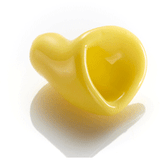




A crowded cafe, a screeching train brake, the office aircon that nobody else seems to notice - for people with noise sensitivity, these are not minor annoyances. They can trigger stress, fatigue, headaches, overwhelm and the urge to get out fast. The right earplugs for noise sensitivity can make daily life more manageable, but only if they suit the way you actually live, work and recover.
This is where many people go wrong. They buy the highest-rated foam plug they can find, wear it once, hate the blocked-up feeling, and assume earplugs are not for them. In reality, noise sensitivity usually calls for a more tailored approach. The best option depends on whether you need to soften background noise, reduce sharp sound peaks, sleep more deeply, travel more comfortably or function in busy public spaces without cutting yourself off completely.
Why noise sensitivity needs a different approach
Noise sensitivity is not always about dangerous decibel levels. Sometimes the issue is volume, but often it is the type of sound, the unpredictability of it, or the strain of being exposed to it for too long. That matters, because hearing protection designed for a demolition site is very different from hearing protection suited to a parent managing school pick-up, a commuter on public transport or an NDIS participant dealing with sensory overload.
The goal is not always maximum attenuation. In many cases, it is controlled reduction. If an earplug blocks too much sound, it can feel isolating, increase awareness of internal sounds like breathing and chewing, and make conversation harder than it needs to be. That can be just as frustrating as the original noise.
For that reason, many people with noise sensitivity do better with reusable filtered earplugs or custom-moulded options rather than disposable foam. Foam plugs still have a place, particularly for sleep or short-term high-noise environments, but they are a blunt tool. Noise sensitivity often needs more nuance.
Types of earplugs for noise sensitivity
There is no single best product for everyone. What works well at night may be wrong for a busy workplace, and what helps at a concert may be useless in a shopping centre.
Foam earplugs
Foam plugs are inexpensive and widely available. They offer high noise reduction when inserted properly, which makes them useful for sleeping, flights, or temporary exposure to loud environments. The trade-off is comfort, consistency and sound quality. They can feel intrusive, create pressure in the ear canal and block sound unevenly if not fitted correctly.
They are also disposable, which means ongoing replacement and more waste. For someone using earplugs regularly, that becomes less cost-effective over time.
Reusable filtered earplugs
Filtered earplugs are often a better match for day-to-day noise sensitivity. Instead of muffling everything heavily, they lower sound more evenly. That means traffic, crowd noise and general background sound become less intense without speech disappearing completely.
This style is popular with people who still need situational awareness - at work, while travelling, in hospitality settings, during errands or when moving through noisy public places. They can also feel less claustrophobic than foam, especially for users who dislike the plugged-up sensation.
Custom-moulded earplugs
If noise sensitivity is a regular part of life, custom earplugs are worth serious consideration. They are made from impressions of your ears, so the fit is precise, stable and typically far more comfortable over longer wear. That matters when you are wearing protection every day or for extended periods.
Custom options can also be tailored with filters for different levels of attenuation. Instead of overprotecting, you can choose a solution that reduces what you need reduced while preserving comfort and communication. For many adults managing sensory issues, tinnitus or frequent exposure to challenging sound environments, this is the difference between owning earplugs and actually using them.
What to look for when choosing earplugs
Comfort should be near the top of the list. If an earplug causes soreness, pressure or irritation after half an hour, it is not the right solution, no matter how good the packaging looks. People with noise sensitivity are often more aware of discomfort, so small fit issues matter.
You should also look closely at the type of noise reduction. A very high SLC80 or attenuation rating is not automatically better. For sleep beside a snorer or in a noisy apartment, strong reduction may help. For daytime use, moderate filtered reduction is often more practical because it takes the edge off without shutting you out from the world.
Ease of insertion matters too. Foam plugs need correct rolling and placement to work properly, and many users never achieve a proper seal. Reusable and custom products are generally easier to insert consistently, which leads to more reliable protection.
Finally, think about durability. If you are using earplugs several times a week, quality reusable or custom options often provide better long-term value than cycling through disposables.
Earplugs for noise sensitivity at work, rest and on the move
The right choice changes with the setting. At work, the question is whether you need certified hearing protection for hazardous noise, sensory relief in a busy office, or something that helps you stay focused in shared spaces. In industrial environments, compliance and certified attenuation are essential. In offices and customer-facing roles, filtered or custom earplugs may be more appropriate because they reduce strain without making communication impossible.
For sleep, softness and sustained comfort matter more than preserving speech clarity. A bulky reusable plug that is fine during the day may become uncomfortable when lying on your side. This is one reason sleep earplugs are a separate category rather than an all-purpose fix.
For travel, many people need relief from engine noise, cabin noise and crowd fatigue without feeling disconnected. Reusable filtered earplugs are often a strong option here because they reduce overall noise while still letting you hear important announcements.
For social settings, including restaurants, shopping centres and family gatherings, the best earplug is usually the one that lowers intensity but keeps the environment usable. If you are constantly taking your earplugs in and out to hear properly, the attenuation level is probably not right.
When custom earplugs make sense
Custom earplugs are not necessary for every person with noise sensitivity, but there are clear signs they may be the better investment. One is frequent use. If you are wearing earplugs most days, comfort and consistency become non-negotiable.
Another is poor tolerance of universal-fit products. Some ears simply do not get along with standard shapes. Others need a more secure fit because the plugs work loose during the day. A custom mould addresses both problems.
Custom options also make sense when sound quality matters. Musicians, venue staff, educators, frontline workers and anyone who still needs to communicate clearly often benefit from filters that reduce volume more naturally. Hearsafe Australia sees this regularly across both consumer and workplace use cases - people are far more likely to wear hearing protection properly when it fits well and suits the job.
Common mistakes to avoid
One common mistake is overprotecting in low-risk environments all the time. If earplugs are used excessively in everyday safe sound levels, some people become even more aware of ordinary noise when the plugs come out. It is better to match protection to the actual environment and purpose.
Another is assuming discomfort is normal. Earplugs should feel secure, but not painful. If they itch, slip, create pressure or leave your ears sore, try a different size, material or style.
Many users also underestimate hygiene. Reusable earplugs need regular cleaning, and foam plugs should not be reused beyond their intended life. Dirty or worn earplugs can irritate the ear canal and compromise performance.
Lastly, do not ignore the bigger picture. If noise sensitivity has changed suddenly, become severe, or sits alongside tinnitus, pain or hearing changes, professional advice is worth seeking. Earplugs can help manage exposure, but they are not a diagnosis.
A better way to think about relief
Choosing hearing protection for noise sensitivity is less about buying the strongest plug and more about reducing the right sounds in the right way. Good earplugs should help you stay in the room, finish the shift, make the trip, get the sleep or handle the school run without adding another layer of discomfort.
That is why fit, filter type and real-world use matter so much. When the earplug matches the environment, protection feels less like a compromise and more like practical support you can rely on every day.
