

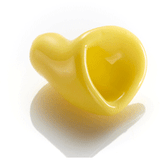




A single gunshot can do permanent damage before you have time to react. That is why shooting hearing protection earplugs are not an optional extra for the range bag - they are part of your core safety gear, just like eye protection and safe handling.
The problem is not just volume. Firearms create impulse noise, which is sudden, intense and far more hazardous than the steady sound of traffic or machinery. Even occasional exposure can contribute to tinnitus, reduced speech clarity and long-term hearing loss. Once that damage is done, it does not grow back.
For Australian shooters, the right earplugs come down to more than grabbing a cheap foam pair at the counter. Fit, attenuation, comfort, communication and compliance all matter. The best option depends on whether you are shooting indoors or outdoors, using rifles or shotguns, spending all day on a property, or doing regular sessions at a club range.
Why shooting noise needs specialised protection
Shooting noise is different from most other loud environments because it peaks fast and hard. A rifle, shotgun or handgun can produce sound pressure levels well above what the ear can safely tolerate. Indoors, the risk gets worse because walls and ceilings reflect the sound back toward you. On a busy range, you are also exposed to other people firing nearby, not just your own shot.
That changes what good protection looks like. For many jobs or hobbies, a moderate level of noise reduction is enough. With firearms, you often need higher attenuation and a seal that stays consistent while you move, mount the firearm or wear other gear. If your earplugs loosen every time you adjust your cap or cheek weld, the protection is no longer reliable.
There is also the practical side. Shooters still need to hear instructions, range commands and conversation. Overblocking can be frustrating in some settings, but underprotecting is the bigger risk. The right solution balances safety with real-world use.
What to look for in shooting hearing protection earplugs
The first priority is fit. An earplug only works properly when it seals the ear canal well. Disposable foam plugs can provide strong attenuation, but only if they are inserted correctly every time. Many people do not roll them tightly enough, insert them deeply enough, or wait for them to expand fully. That can leave a false sense of protection.
Reusable earplugs are often easier to handle and more consistent for regular shooters. They can be quicker to insert, easier to keep clean and more durable over time. For people who shoot often, that convenience matters because protection you actually wear properly is better than protection that stays in the packet.
Custom-moulded earplugs take that one step further. They are made to the shape of your ears, which improves comfort, stability and repeatable performance. If you spend long days on the range, struggle with generic plugs falling out, or simply want a solution built for regular use, custom options are often the better investment.
The second priority is certified protection. Look for products designed for shooting or high-noise applications and backed by relevant testing or standards. This matters because the numbers on the packet are only useful if they reflect real, measured performance.
The third priority is compatibility. Earplugs need to work with earmuffs, glasses, hats and other equipment. If you wear safety specs or over-ear muffs, low-profile earplugs can make the whole system more comfortable.
Foam, reusable or custom earplugs?
Foam earplugs are popular because they are cheap and widely available. They can be very effective when inserted correctly, and for occasional shooters they may be a practical starting point. The trade-off is consistency. Poor insertion is common, they are easy to misplace, and repeated disposal creates ongoing waste.
Reusable earplugs suit shooters who want a step up in convenience and durability. They are easier to insert than foam for many users and are more economical over time. Some are designed specifically for impulse noise, making them more suitable for shooting than general-purpose noise plugs.
Custom earplugs are the premium option. They cost more upfront, but they are built for comfort, longevity and a secure fit that does not rely on guesswork. For club members, regular hunters, rural property owners and professionals exposed to firearm noise, custom protection can make daily use far more realistic. If earplugs are uncomfortable, people tend to remove them too early. Comfort is not a luxury in hearing protection - it is part of compliance.
Do you need double protection?
Sometimes, yes. Double protection means wearing earplugs under earmuffs, and it is often the right approach for indoor ranges, high-calibre firearms, short-barrel firearms, or any environment with heavy repeated gunfire.
This is one of those areas where context matters. An outdoor clay target session may not need the same setup as an indoor pistol range with multiple shooters in enclosed lanes. If you already have tinnitus, a history of noise exposure or any hearing concerns, being conservative is sensible.
Earplugs on their own can be appropriate in some shooting environments, but they are not always enough. The goal is to match the level of protection to the real noise exposure, not the minimum you can get away with.
Communication matters at the range and in the field
One reason some shooters resist hearing protection is the fear of losing awareness. That concern is understandable, but it usually points to the wrong product rather than the wrong idea.
Well-designed shooting earplugs should reduce harmful impulse noise while still allowing you to hear key information as clearly as possible. Range commands, movement around you and basic conversation still matter for safety. In hunting or field settings, situational awareness also plays a role.
This is where generic plugs can fall short. A plug that simply blocks everything may feel isolating, especially if worn for hours. Purpose-built reusable or custom earplugs often provide a better balance between protection and usability.
Common mistakes that reduce protection
The most common mistake is poor insertion. If an earplug is not seated properly, its rated performance will not match what your ears actually receive. That applies especially to foam plugs.
The second mistake is reusing products beyond their intended life. Dirty, damaged or hardened plugs will not seal properly and can become uncomfortable. Reusable plugs should be cleaned and checked regularly. Custom plugs should also be maintained so they keep their shape and hygiene.
The third mistake is choosing comfort over suitability. A small, low-profile plug may feel pleasant, but if it is not designed for firearm noise, it may not offer enough protection. With shooting, the stakes are too high for guesswork.
The last mistake is only protecting your hearing sometimes. Hearing damage is cumulative, and one loud day can do real harm. If you are at the range, on the property, or near others shooting, protection should be in before the first shot.
Choosing the right option for your kind of shooting
If you shoot occasionally and want a simple low-cost option, quality foam or reusable shooting plugs may be enough, provided they fit properly and are used correctly. If you shoot every month, spend extended time around firearms, or want a more dependable fit, reusable specialist plugs are usually a smarter choice.
If you are a frequent shooter, instructor, rural worker or club member, custom-moulded earplugs are often where value becomes clear. They are more comfortable over long sessions, easier to wear consistently and less likely to shift at the wrong moment. For many people, that turns hearing protection from an afterthought into a habit.
For organisations, clubs and workplaces, product selection should not be based on price alone. Comfort, wearability, certified performance and user compliance all affect whether protection works in practice. A cheaper plug that workers or members do not wear properly is not a saving.
At Hearsafe Australia, that is why the focus is on application-specific protection rather than one-size-fits-all products. Shooting demands a solution built for shooting.
Care, replacement and long-term value
Good earplugs last longer when they are looked after. Reusable and custom products should be cleaned according to product instructions, stored in a protective case and inspected for wear. Heat, dust and rough handling in a glovebox or range bag can shorten their life.
It is also worth thinking beyond the upfront cost. Disposable foam seems inexpensive, but repeated purchases add up. Reusable and custom earplugs can offer better long-term value, less waste and a more reliable fit. That matters if you shoot regularly or want a solution you can trust without fiddling every session.
Your hearing does not toughen up with exposure. It just gets damaged more quietly over time. The best shooting earplugs are the ones that fit properly, suit your environment and stay in your ears from the first shot to the last.
