

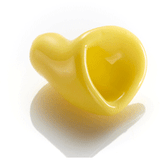




The ringing usually starts on the drive home. After rehearsal, a set at a packed pub, or a night standing too close to the foldback, your ears feel dull, speech sounds fuzzy, and everything has that faint hiss behind it. If you are searching for the best earplugs for musicians, you are already asking the right question - not whether you need hearing protection, but which type will actually protect your hearing without wrecking the music.
For musicians, DJs, sound engineers and venue staff, generic earplugs are rarely the best answer. The job is not just to make things quieter. It is to reduce harmful volume while keeping tone, balance and communication as intact as possible. That is where the difference between cheap foam plugs, filtered reusable plugs and custom-moulded musician earplugs becomes very clear.
What makes the best earplugs for musicians?
The best option depends on where and how you play. A drummer rehearsing in a small room, a guitarist on loud stages, a brass player in an orchestra pit and a DJ in a club all face different sound levels and different practical demands. Even so, good musician earplugs tend to have the same core traits.
They should reduce sound evenly across frequencies, rather than blocking mostly treble and leaving everything muddy. They should be comfortable enough to wear for an entire set or session. They should stay secure when you move, sing or sweat. And they should make it easier to hear what matters - your own instrument, the mix, cues from bandmates and speech between songs.
That last point matters more than many people realise. If earplugs make everything sound dull, musicians often pull one side out, wear them halfway, or stop using them altogether. That is when protection fails.
Why foam plugs are usually the wrong choice on stage
Foam plugs have their place. They are inexpensive, easy to carry and useful in a pinch. If you are caught at a festival without any protection, foam is better than nothing. But they are generally not the best earplugs for musicians.
The problem is how they shape the sound. Foam plugs often over-attenuate higher frequencies, so cymbals, vocals and detail disappear first. What is left can feel boomy, muffled and disconnected. For someone trying to pitch accurately, hear articulation or judge dynamics, that is a poor trade-off.
Fit is another issue. Disposable foam needs correct insertion to provide its rated protection. Many people do not insert them deeply enough, which means inconsistent performance. They are also not ideal for regular long-term use if you want something more durable, lower-waste and purpose-built for music.
Filtered earplugs are the practical step up
If you gig regularly and want a straightforward solution, filtered reusable earplugs are often the best place to start. These are designed to lower volume more evenly, so music retains more of its natural balance. Instead of hearing a blanket over the band, you hear a cleaner, quieter version of what is already there.
This is why filtered plugs are popular with gig-goers, performers, DJs and bar staff. They are compact, reusable and far more suitable for live music than basic foam. For many people, they strike the right balance between affordability and real-world performance.
That said, not all filtered earplugs are equal. The filter design, the fit of the tip and the attenuation level all affect the result. Some work well for moderate gigs but struggle in very loud rehearsal rooms or on amplified stages. Others feel secure for standing audiences but can loosen during energetic performance. It is worth choosing a model designed specifically for music, not just general noise reduction.
Custom earplugs are often the best long-term choice
For working musicians and anyone exposed to high volume week after week, custom-moulded earplugs are usually the strongest long-term investment. They are made from ear impressions, so the fit is specific to your ears rather than a generic shape. That gives you better comfort, more reliable sealing and less temptation to keep adjusting them mid-set.
The biggest advantage is consistency. A custom fit means the protection you expect is the protection you are more likely to get every time. It also means less pressure in the ear canal and better wearability over long rehearsals, tours or venue shifts.
Many custom musician earplugs use interchangeable or selected acoustic filters. This lets you choose an attenuation level that suits your environment, whether you need a lighter reduction for acoustic performance or stronger protection for amplified stages and drum-heavy rooms. Done properly, custom filtered plugs preserve clarity far better than standard plugs while still reducing the risk of permanent hearing damage.
For Australian musicians who want a serious hearing protection solution, this is where specialist fitting support matters. A product is only as good as its seal, filter and suitability for the way you actually work.
How much attenuation do musicians need?
This is where people often get stuck, because more attenuation is not automatically better. If your earplugs block too much sound, you may feel isolated, overplay, sing too hard or struggle to hear cues. If they block too little, you are still exposed to damaging noise over time.
A moderate filter is often suitable for general live music, rehearsals and hospitality work around music. Louder environments, such as drummers, amplified stage performers and club DJs, may need more reduction. The right level depends on the volume, the duration of exposure, your position relative to amps, cymbals or PA, and whether you are using in-ear monitoring as part of your setup.
This is also why one-size-fits-all advice falls short. Two musicians can stand on the same stage and need different solutions. The bassist next to the drum kit is not dealing with the same exposure as the vocalist at front of stage.
Best earplugs for musicians by use case
If you are an occasional gig-goer or weekend player, high-quality reusable filtered earplugs are often the most sensible choice. They are easy to keep in your case or glove box, and they offer a clear improvement over foam without the upfront cost of a custom product.
If you are gigging every week, rehearsing in small rooms, teaching, mixing, or working around live sound for long stretches, custom musician earplugs usually make more sense. They are more comfortable, more dependable and built for repeated use. Over time, they often work out better value than repeatedly buying stopgap options that never quite fit right.
If you are a drummer or regularly exposed to very high stage volume, the answer may involve more than earplugs alone. A stronger filter, stage layout changes, shields, controlled monitoring or in-ear systems may all be part of protecting your hearing properly. Earplugs help, but they do not fix a badly managed sound environment on their own.
Comfort, fit and sound quality matter more than brand hype
Musicians are often sold on promises like invisible fit, studio-quality sound or maximum protection. Those claims mean little if the plugs are uncomfortable after twenty minutes or if they alter your perception enough to affect performance.
A good fit should feel secure without feeling intrusive. Sound should be reduced, not destroyed. You should still be able to communicate between songs and hear enough detail to perform confidently. If a plug ticks every box except comfort, it is not the right plug for real use.
This is where specialist advice has value. Rather than guessing from generic reviews, it helps to choose hearing protection based on your instrument, venues, stage volume and frequency of use. Hearsafe Australia works with these kinds of use cases every day, which is why musician hearing protection is best treated as a fitted solution, not an impulse buy at the merch desk.
Looking after your earplugs
Even the best musician earplugs will not perform properly if they are dirty, damaged or poorly stored. Reusable plugs should be cleaned as directed and kept in a protective case. Custom plugs should be checked for wear, hardening or changes in fit over time.
If your ears feel blocked, irritated or your plugs suddenly fit differently, it is worth having that looked at before assuming the product has failed. Earwax, insertion technique and changes in the ear canal can all affect comfort and seal.
And if you already notice ringing, sound sensitivity or difficulty hearing conversations after gigs, do not brush it off as part of the job. Tinnitus and noise-induced hearing loss are common in music, and neither is something to take lightly.
Protecting your hearing does not mean lowering your standards as a performer. It means giving yourself the chance to keep playing, mixing and enjoying live music for years to come. The best earplugs for musicians are the ones you will actually wear every time - and when they fit well, sound right and suit your environment, that becomes a much easier habit to keep.