



A grinder kicks on, a compressor starts cycling, a forklift reverses nearby, and by smoko your ears are already working harder than they should. That is exactly why an industrial hearing protection guide matters. On many Australian worksites, noise is not a once-off problem. It is a daily exposure that can chip away at hearing so gradually that people often miss the damage until speech becomes harder to follow and ringing in the ears does not go away.
Hearing loss from noise exposure is permanent. That is the part too many workers and businesses underestimate. If safety glasses are non-negotiable when there is flying debris, hearing protection should be treated the same way when noise levels are hazardous. The challenge is not just wearing something in your ears or over them. The real job is choosing protection that suits the noise, the task, the worker, and the compliance requirements of the site.
What this industrial hearing protection guide should help you solve
The wrong hearing protection usually fails in predictable ways. It gets left in a pocket because it is uncomfortable. It blocks too much sound, so workers keep removing it to communicate. It does not fit properly, so the protection on paper is not the protection delivered on site. Or it creates hygiene and waste issues when disposable products are used every day across a large team.
Good hearing protection should reduce harmful noise to a safer level without making the job harder than it needs to be. That means comfort matters. Communication matters. Fit matters. Certification matters. If one of those pieces is missing, compliance often slips and the risk returns.
Start with the noise, not the product
Many buyers begin by asking whether they need foam plugs, reusable plugs or earmuffs. The better starting point is the work environment itself. A fabrication workshop has a different noise profile from a mine site, warehouse, airport ground crew area or food processing facility. Some workplaces have constant machine noise. Others have intermittent high-impact noise from cutting, hammering or compressed air.
That difference affects what level of attenuation is appropriate. Too little protection leaves workers overexposed. Too much can also create problems, especially where speech, alarms or situational awareness still need to be heard. Hearing protection is not always about getting the highest rating available. It is about getting the right level of reduction for the actual task.
This is where workplace assessment and product selection become more than a box-ticking exercise. A site with varied roles may need more than one solution. The maintenance team, machine operators and visitors may not all need the same style of protection.
Earplugs or earmuffs?
Earplugs are often the better choice where workers wear hard hats, face shields or other PPE that can interfere with earmuff seals. They are also practical in hot conditions, which matters on many Australian worksites. Reusable earplugs can be a strong step up from disposables when comfort, consistency and lower waste are priorities.
Earmuffs can be easier to supervise visually because it is obvious when someone is wearing them. They can also suit short-term visitors or workers who do not tolerate anything in the ear canal. The trade-off is bulk, heat and potential interference with other equipment. If the cushion seal is broken by glasses, helmet attachments or poor adjustment, the protection drops.
In some higher-noise environments, dual protection may be required. That usually means earmuffs worn over earplugs. It can be effective, but it should be based on actual exposure and site requirements rather than guesswork.
Why fit changes everything
A hearing protector is only as good as its seal. Disposable foam plugs are widely used because they are low-cost and familiar, but they rely on correct insertion every single time. In real workplaces, that is where things often go wrong. If the plug is not rolled properly, inserted deeply enough or left to expand in place, protection is reduced.
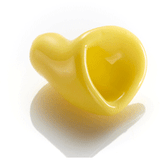
Reusable earplugs improve consistency for many workers because the fit is more straightforward and the product is built to last. Custom-moulded earplugs go further again. Because they are made from ear impressions, they sit securely, feel more natural over long shifts and are less likely to work loose through the day. For workers who reject generic PPE because it irritates the ear or feels unstable, custom protection can make the difference between occasional use and reliable daily wear.
That is not to say custom is always the answer for every site. It depends on workforce size, turnover, budget, hygiene protocols and whether workers need individual issue PPE. But where teams are wearing hearing protection for long hours, or where communication and comfort are critical, custom options often provide better long-term value than repeatedly buying disposables.
The compliance side of an industrial hearing protection guide
For employers and safety managers, hearing protection is not just a product purchase. It sits inside a broader duty of care. Products should be suitable for occupational use and aligned with relevant Australian Standards requirements. Workers also need instruction on correct use, storage and maintenance.
This matters because a certified product still fails if it is worn incorrectly, shared unsafely or used beyond its service life. Earplugs that are dirty, hardened, cracked or no longer sealing properly should be replaced. Earmuffs with worn cushions or damaged headbands should not stay in circulation simply because they look mostly intact.
A compliant hearing conservation approach usually includes noise assessment, selection of suitable protection, worker training and periodic review. If a business changes equipment, layout or production processes, the noise profile can change as well. Hearing protection should be reviewed when the workplace changes.
Communication is not a luxury
One of the biggest reasons workers remove hearing protection is simple - they still need to hear people. Instructions, warnings and day-to-day conversations do not stop because the workshop is loud. That is why flat attenuation and task-specific design matter, especially in roles where communication needs to remain clear.
Not every industrial environment needs the same acoustic outcome. Some workers just need broad protection from machine noise. Others need to reduce damaging sound while still hearing speech as naturally as possible. If hearing protection makes workers feel isolated or unsafe, they are less likely to keep it in place.
This is where better-quality reusable and custom solutions stand apart from generic options. They are often designed to manage noise more evenly, rather than simply muffling everything. For the wearer, that can mean less fatigue, better compliance and less temptation to pull one plug out for a quick chat.
Comfort, hygiene and sustainability on site
Comfort is not a soft issue. It is a safety issue. Workers on long shifts will not consistently wear hearing protection that causes pressure, itchiness or soreness. That is especially true in heat, under helmets, or in dusty and physically demanding environments.
Hygiene also matters. Reusable products need cleaning routines. Workers should know how to store them properly and when to replace filters, tips or components if the design includes them. Custom products are often easier to allocate to individual workers, which helps reduce mix-ups and supports cleaner handling practices.
There is also the waste factor. Disposable foam earplugs create a steady stream of rubbish on many sites. Reusable and custom products can significantly reduce that over time. For businesses looking at both procurement cost and environmental impact, durability is not just a product feature. It is part of the purchasing decision.
How to choose the right protection for your team
If you are buying for a workplace, think beyond unit price. The cheapest product can become expensive if workers do not wear it, replace it too often, or fail fit and comfort expectations. A better buying decision looks at noise exposure, length of wear, compatibility with other PPE, communication needs and whether the workforce is stable enough to justify reusable or custom issue protection.
If you are buying for yourself as a tradie or operator, be honest about what you will actually wear all day. A product that is technically suitable but sits in the glovebox is no protection at all. Look for something that fits securely, feels comfortable over time and is appropriate for the environments you move between.
For many workplaces, a mixed approach makes the most sense. Disposable options may still suit visitors and short-term contractors. Reusable or custom protection may be the smarter fit for permanent staff, high-wear roles and workers who need dependable comfort across every shift.
Hearsafe Australia works with both individuals and organisations on hearing protection that matches the job, rather than forcing one generic solution across very different noise environments.
Industrial hearing protection guide: when to upgrade from basic PPE
If workers frequently remove their plugs, complain about pressure, struggle to hear instructions, or keep asking for replacements, that is usually a sign the current setup is not working. The same applies if managers are relying on visual checks alone without confidence that the fit is correct.
Upgrading does not always mean moving straight to the most premium option. It means solving the actual failure point. Sometimes that is better training. Sometimes it is a reusable earplug with a more reliable fit. Sometimes it is custom-moulded protection for a team exposed to hazardous noise every day.
Your hearing has no reset button. Once damage is done, the goal shifts from prevention to management, and that is a much harder place to be. The smartest time to improve hearing protection is before the ringing starts to feel normal.