

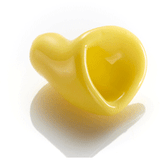




That packet of foam plugs from the servo can feel like an easy fix when the world gets too loud. But when you are wearing hearing protection on site, at gigs, on the bike, or night after night for sleep, reusable earplugs vs foam earplugs becomes a much more serious decision. The right choice affects not just noise reduction, but comfort, communication, hygiene, waste, and whether you will actually keep wearing them.
For some Australians, foam earplugs are perfectly suitable. For others, they are a short-term answer to a long-term problem. If you are trying to protect your hearing properly, it helps to understand where each option performs well and where it falls short.
Reusable earplugs vs foam earplugs: the core difference
Foam earplugs are disposable plugs made from soft compressible material. You roll them down, insert them into the ear canal, and let them expand to create a seal. They are widely used because they are inexpensive, easy to find, and capable of high noise reduction when fitted correctly.
Reusable earplugs are designed to be worn many times. They are usually made from silicone, thermoplastic, or other durable materials, and they come in universal-fit and custom-moulded options. Depending on the design, they may reduce sound evenly, block water, cut wind noise, or allow clearer speech and music while still lowering harmful noise exposure.
That last point matters. Not all earplugs are trying to do the same job. Foam is mainly about broad noise blocking. Reusable models are often built for a specific use case, whether that is sleeping, music, industrial work, swimming, travel, or motorsport.
Noise reduction is only useful if the fit is right
Foam earplugs often advertise a high SLC80 or similar attenuation figure, which can make them look like the obvious winner. On paper, that sounds convincing. In real life, many people do not insert foam plugs deeply or consistently enough to get the protection shown on the packet.
A poorly fitted foam plug can leave you with far less protection than expected. That is a problem on noisy worksites, in workshops, at shooting ranges, and anywhere else hazardous noise can cause permanent hearing damage. Hearing loss is irreversible, so relying on a plug that is not sealing properly is a risk, not a bargain.
Reusable earplugs, especially well-fitted universal designs and custom options, tend to offer more consistent day-to-day performance because they are easier to place correctly. You are not relying on a tight roll-down technique each time. If you need dependable protection across repeated use, consistency is a major advantage.
Comfort changes everything
People often assume earplugs are uncomfortable by nature. Usually, the issue is not earplugs in general. It is the wrong earplug for the task.
Foam can feel soft at first, but it expands inside the ear canal. For some wearers that pressure becomes irritating, particularly over long shifts or overnight use. Others find foam plugs itchy, too warm, or prone to working loose when talking or moving.
Reusable earplugs vary more in shape and material, which means there is more chance of finding something that suits your ears and your environment. Low-profile sleep plugs can sit more comfortably against a pillow. Music earplugs are often designed for extended wear at festivals, venues, and rehearsals. Custom-moulded earplugs are in another category again, because they are made to match the ear rather than forcing the ear to adapt to the plug.
If comfort is poor, compliance drops. And if you keep taking your earplugs out because they annoy you, protection is no longer doing its job.
Communication, awareness and sound quality
This is where reusable earplugs often pull ahead.
Foam earplugs reduce a lot of sound, but they do it in a fairly blunt way. Speech can become muffled. Music loses clarity. Important environmental sounds may be harder to interpret. In some settings, that is acceptable. In others, it creates frustration or safety issues.
For musicians, DJs, bar staff and live event workers, foam plugs can make everything sound dull and uneven. For workers who need to hear instructions, alarms, traffic movement, or team communication, overly aggressive attenuation is not always ideal either.
Many reusable earplugs are engineered to reduce sound more evenly across frequencies. That means the volume comes down without destroying the detail. You can still hear better, just at a safer level. This is especially valuable in music, hospitality, motorsport, and certain work environments where awareness matters.
Hygiene and maintenance
Disposable foam plugs are meant to be thrown out regularly. That is fine for occasional use, but less practical when earplugs become part of your daily routine. Foam also tends to attract dirt and body oils, and once it degrades or gets grubby, it should be replaced.
Reusable earplugs need cleaning, but they are designed for it. A simple wash and proper storage will keep many reusable models in good condition for far longer than a foam alternative. That makes them a stronger option for people who use ear protection several times a week, or every day.
There is also the environmental side. A single pair of reusable earplugs can replace a large number of disposable foam pairs over time. For individuals and workplaces trying to cut waste without compromising safety, that is a practical benefit, not just a marketing line.
Cost: cheap upfront or better value over time?
Foam earplugs are cheaper at the checkout. There is no point pretending otherwise. If you need a temporary solution for one flight, one concert, or a short noisy job, foam may be perfectly reasonable.
But frequent users should look beyond the unit price. Buying boxes of disposable plugs again and again adds up. So does the hidden cost of discomfort, poor fit, and low compliance. If a reusable product is more comfortable, easier to wear properly, and suited to your exact use, it can deliver better value very quickly.
Custom earplugs cost more again, but they are designed for long-term wear, durability, and job-specific performance. For workers, musicians, and anyone exposed to repeated noise, they are often an investment in hearing health rather than an accessory purchase.
Which type suits which situation?
Foam earplugs still have a place. They are useful as a backup in the glovebox, in a site safety kit, or for short-term use when simplicity matters more than refinement. They can also work well for some sleepers who want maximum general noise blocking and do not mind the feel.
Reusable earplugs are usually the better choice when ear protection is part of regular life. That includes tradies on noisy jobs, safety managers buying for teams, frequent concert-goers, riders dealing with wind noise, travellers trying to rest in transit, and people managing tinnitus or sensory sensitivity. They are also the stronger option when you need more than just volume reduction, such as clearer speech, better sound fidelity, water protection, or a lower-profile fit.
For swimming, the comparison is even simpler. Foam earplugs are not designed to keep water out effectively. Reusable swim plugs or custom swim moulds are the proper solution.
For music, standard foam is usually a compromise. It blocks noise, yes, but often at the expense of the listening experience. Purpose-built reusable music earplugs are a better fit for anyone who wants protection without turning live sound to mush.
For industrial settings, the right answer depends on the noise level, compliance requirements, compatibility with other PPE, and whether workers need disposable convenience or longer-term reusable options. Certified protection and proper fit should always come first.
When custom earplugs make sense
If you have tried multiple universal products and still struggle with fit, comfort, or consistency, custom earplugs are worth serious consideration. They are particularly useful for people with long wear times, specialised noise exposure, or communication needs that generic products do not address well.
This is where a specialist approach matters. A business like Hearsafe Australia works with hearing protection across work, lifestyle and sensory needs, which means the recommendation can be based on the actual environment rather than a generic noise rating alone. That tends to lead to better outcomes and better long-term use.
So, which one should you buy?
If you only need earplugs occasionally and want the lowest upfront cost, foam may do the job. Just be realistic about fit, hygiene, and comfort, and make sure you know how to insert them properly.
If you use earplugs regularly, care about comfort, want more reliable fit, or need protection tailored to work, music, sleep, travel, swimming, or riding, reusable earplugs are usually the smarter choice. They ask for more upfront, but they often give more back in performance, durability and day-to-day wearability.
Your ears do not get a reset button. If noise is part of your job, your hobbies, or your nights, choose the earplugs you are most likely to wear properly every time. That is usually the option that protects your hearing for the long haul.
