

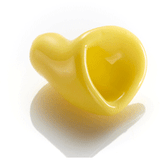




On a loud site, hearing damage rarely arrives with a warning. It builds shift after shift - grinders, jackhammers, nail guns, compressors, saws and machinery all adding up. That is why custom earplugs for tradies are not a luxury item. They are a practical piece of PPE for people who need real protection, all-day comfort and the ability to keep working safely.
For many tradies, disposable foam plugs are the default. They are cheap, easy to hand out and familiar. But familiar does not always mean effective. If a plug does not seal properly, falls out when you talk, or gets pulled loose every time you take your hard hat off, your hearing is exposed. Once noise-induced hearing loss starts, it cannot be reversed.
Why generic earplugs often fall short on site
Foam earplugs can work well when they are inserted correctly. That is the catch. On real worksites, correct insertion is not guaranteed. Dirty hands, rushed starts, sweaty conditions and repeated removal all affect how well they perform. A poor fit can mean less protection than the packaging suggests.
Comfort is another issue. If earplugs put pressure on the ear canal, many workers simply stop wearing them for the full shift. Some loosen them to make conversations easier. Others remove them for quick chats and forget to put them back in. Even short periods without protection matter when the noise level is high enough.
Custom-moulded earplugs change that equation. Because they are shaped to the individual ear, they stay in place more reliably and feel more natural over long periods. When protection is comfortable, workers are more likely to use it properly.
What custom earplugs for tradies actually do better
The biggest benefit is consistency. Custom earplugs are made from ear impressions, so the seal is designed for your ears rather than the average ear. That improves day-to-day wearability and reduces the guesswork that comes with disposable options.
They also make sense for communication. On many sites, total sound blocking is not ideal. You may still need to hear instructions, reversing alarms, approaching vehicles or the person working beside you. Depending on the filter and the task, custom hearing protection can reduce harmful noise while preserving more useful speech and environmental awareness than solid foam plugs.
That does not mean every custom plug is suitable for every trade. A cabinetmaker, boilermaker, concreter and traffic worker may all face different noise profiles and communication demands. The right solution depends on exposure levels, how long the plugs are worn, whether helmets or other PPE are involved, and whether the worker needs filtered or higher-attenuation protection.
Choosing the right style for your work
Not all hearing protection labelled for work is equal. For tradies, the best option is the one that matches both the site and the person wearing it.
Filtered versus solid protection
Filtered custom earplugs are useful when speech clarity matters. They reduce noise in a more controlled way, which can help on sites where communication is part of safe work. This can be valuable for supervisors, team leaders, electricians working in occupied environments, or trades moving between loud and moderate noise areas.
Solid plugs may suit tasks with sustained, intense noise where maximum reduction is the priority. If you are cutting concrete all day or working near heavy plant for long stretches, stronger attenuation may be the better call. In some cases, dual protection with earmuffs and plugs may still be required.
Reusable versus disposable cost
A box of foam plugs looks cheaper at first glance. Over time, that is not always true. Regularly replacing disposables across a team adds up, especially when wastage is factored in. Custom plugs have a higher upfront cost, but they are built for repeat use and long-term wear. For individual tradies and employers alike, the value sits in durability, compliance and better uptake.
There is also the rubbish factor. Disposable plugs create ongoing waste on worksites, in vehicles and in lunchroom bins. Reusable custom options are a more sustainable choice without compromising protection.
Comfort is not a bonus - it is part of safety
This is where many purchasing decisions go wrong. Ear protection is often judged by attenuation numbers alone, but a product can test well on paper and still fail in practice if no one wants to wear it.
Tradies work in heat, dust and movement. They bend, crawl, climb, lift and talk. Earplugs need to stay secure through all of it. A proper custom fit reduces pressure points and helps avoid the irritation that can come from one-size-fits-all products. That matters during a ten-hour shift.
Comfort also affects concentration. If you are constantly adjusting your earplugs, you are not fully focused on the task in front of you. PPE should support the job, not become another distraction.
Compliance matters, but so does real-world use
For employers and safety managers, hearing protection is not just a purchasing decision. It is part of duty of care. If workers are exposed to hazardous noise, the protection supplied needs to be suitable for the environment and practical for the people using it.
Certified products aligned with Australian Standards are important because they provide confidence in tested performance. But compliance on paper is only one part of the picture. The other part is whether workers actually wear the product correctly and consistently.
That is why fit, training and task suitability matter so much. A well-selected custom solution can support both protection and wear compliance, particularly in teams where disposable plugs are often used incorrectly or not at all.
When custom earplugs are worth the investment
For some tradies, custom protection is clearly the better option. If you wear earplugs most days, struggle with comfort, rely on site communication, or keep having plugs work loose, it is worth looking beyond disposable foam. The same applies if you have experienced tinnitus after work, temporary muffled hearing at the end of a shift, or repeated frustration with generic products.
They are also worth considering for apprentices. Starting out in the trades means years of noise exposure ahead. Protecting hearing early is easier than trying to manage damage later.
For businesses, custom earplugs can make sense where teams are exposed to regular hazardous noise and disposable stock use is high. They can also improve consistency across crews, especially when combined with hearing protection education and proper fitting support.
Getting the fit right
A custom product is only as good as the fitting process behind it. Ear impressions need to be taken properly, and the selected filter or attenuation level should match the job. This is where specialist advice matters.
A provider with hearing protection expertise can help assess the use case rather than simply sell a generic product. That may include discussing the type of work, duration of exposure, communication needs and whether workers use other PPE that could affect comfort or compatibility. Hearsafe Australia works in this space because hearing protection is not one category - it is a set of very specific solutions for very specific environments.
Maintenance is straightforward, but it should not be ignored. Custom earplugs need regular cleaning, safe storage and occasional checks for wear. Look after them properly and they are built to last.
The bigger cost is the one people ignore
Too many workers accept ringing ears as part of the job. It is not. Tinnitus, reduced speech clarity and permanent hearing loss can affect work, sleep, family life and mental fatigue. You notice it on site, but you feel it just as much at home when conversations become harder to follow.
The hard truth is that hearing damage is permanent. Once those structures in the inner ear are damaged, they do not recover. That is why prevention matters more than good intentions.
Custom earplugs for tradies are not about making PPE look premium. They are about giving workers a hearing protection option they will actually wear, in conditions that are far from ideal. If your current earplugs are uncomfortable, unreliable or constantly ending up in the rubbish, that is your sign to stop settling for a poor fit and start protecting the hearing you still have.