



The danger on a construction site is not always dramatic. Often, it is the grinder running for half an hour, the nail gun going off all day, the concrete saw screaming near your ear, or the diesel plant humming in the background shift after shift. Hearing protection for construction sites matters because noise damage builds quietly, and once hearing is gone, it does not come back.
On Australian worksites, that risk is easy to underestimate. Plenty of workers get used to the noise and stop noticing how hard their ears are working. Safety managers can also run into a practical problem - if hearing protection is uncomfortable, blocks too much speech, or gets lost after a day or two, people simply stop wearing it properly. That is where good site protection needs to do more than tick a compliance box.
Why hearing protection for construction sites needs a proper fit
Construction noise is rarely one clean, predictable sound. It is impact noise from jackhammers and nail guns, steady machine noise from generators and compressors, and changing exposure as crews move between tasks. A product that works reasonably well in one area of a site may be a poor match somewhere else.
This is why fit and task suitability matter so much. Disposable foam earplugs can provide strong attenuation when inserted correctly, but that last part is the catch. In real-world conditions, many workers do not roll and insert them deeply enough, especially when hands are dusty, time is tight, or training has been rushed. The result is less protection than the packaging suggests.
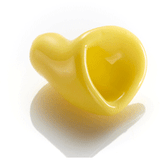
Reusable earplugs and custom-moulded options can solve a lot of that inconsistency. They are easier to insert correctly, more comfortable over long shifts, and more practical for workers who need reliable protection every day. For employers, they can also cut down on waste and replacement costs over time.
What construction workers actually need from hearing protection
The best hearing protection is not always the product with the highest noise reduction number. On site, over-protection can create its own safety issue if it makes it harder to hear warnings, instructions, reversing alarms or nearby plant movement. Under-protection, of course, leaves workers exposed to damage.
That balance is where selection gets more specific. A carpenter using intermittent power tools may need something different from a demolition crew exposed to long periods of extreme noise. A site supervisor walking between quieter and louder zones may need protection that can be worn consistently without isolating them from communication. Workers wearing other PPE, such as hard hats, eye protection and respirators, also need hearing protection that works with the rest of their kit.
In practice, the right solution usually comes down to four things: verified attenuation, all-day comfort, compatibility with other PPE, and realistic wear compliance. If workers hate wearing it, it is not the right solution, no matter what the packaging says.
Earplugs or earmuffs?
This is one of the most common questions on site, and the answer depends on the job.
Earplugs are often the better choice in hot conditions, for workers moving constantly, or where helmets, face shields and other gear make earmuffs awkward. They are lighter, less bulky and easier to keep on through a full shift. Reusable and custom earplugs also tend to be more practical for workers who need consistent fit day after day.
Earmuffs can be useful for high-noise tasks, short-duration exposure, visitors on site, or teams that want something quick to put on and take off. They can also be easier to supervise visually because it is obvious whether they are being worn. The trade-off is comfort in heat, interference with other PPE, and the tendency for some workers to lift one cup to hear a conversation - which defeats the point.
For some high-noise applications, dual protection may be appropriate. That means earplugs and earmuffs worn together. But this should be based on actual exposure and site requirements, not guesswork.
The problem with cheap disposable options
Disposable foam plugs have their place. They are convenient for visitors, occasional use, and certain short-term site needs. But as a long-term answer for full-time construction workers, they often fall short.
First, they rely heavily on correct insertion. Second, they are easy to lose, easy to contaminate and easy to wear incorrectly. Third, they generate constant waste. For businesses buying in volume, that waste adds up financially as well as environmentally.
Reusable earplugs offer a more durable option, and custom-moulded hearing protection takes that a step further. A well-made custom plug is designed for the individual ear, which improves comfort, reduces pressure points and supports more consistent use. That matters because hearing protection only works when it stays in properly.
Compliance is part of the picture, not the whole picture
Australian worksites need hearing protection that aligns with workplace safety obligations and relevant standards. That should never be treated as optional. But compliance on paper and protection in practice are not always the same thing.
A site may issue approved products and still have workers exposed because they remove them for communication, wear them loosely, or swap them out for whatever is in the glovebox of the ute. Safety managers know this already. The challenge is not just supplying hearing protection - it is supplying something workers will actually wear correctly, consistently and for the full task duration.
That is why education and fit support matter. Teams need to understand what hazardous noise exposure looks like, how hearing loss happens, and why temporary ringing after a shift is not harmless. It is an early warning sign, not a badge of hard work.
Custom hearing protection on busy sites
Custom hearing protection is often seen as a premium option, and it is. But premium does not mean unnecessary. For many construction teams, especially those in high-noise environments or wearing protection every day, custom-moulded earplugs can make strong commercial sense.
They last longer than disposables, reduce waste, and usually deliver better user acceptance. Workers are more likely to keep wearing hearing protection that fits properly and feels stable when they bend, sweat, climb or wear other PPE. For businesses, fewer complaints and fewer discarded plugs can translate into better compliance and lower replacement churn.
Some custom options are also designed to reduce harmful noise while preserving better situational awareness than generic plugs. That can be valuable on sites where communication and environmental awareness are part of staying safe.
Choosing hearing protection for construction sites by task
A one-size-fits-all approach rarely works. If a team is rotating across framing, demolition, roadworks, fabrication and site prep, noise exposure changes across the day. That means product selection should match actual conditions, not just broad assumptions about the industry.
For short-term contractors or visitors, simple earmuffs or disposable plugs may be enough. For full-time crews exposed every day, reusable or custom options are usually a better long-term fit. For supervisors and workers who need to hear speech more clearly while still reducing risk, filtered or task-specific solutions can be worth considering.
This is where assessment becomes useful. Looking at who is exposed, for how long, doing which tasks, and alongside what other PPE usually leads to better decisions than buying the cheapest carton available.
Comfort is not a luxury
On a construction site, discomfort turns into non-compliance fast. If earplugs cause pressure, itchiness or difficulty talking, workers will fiddle with them, remove them, or stop using them altogether. If earmuffs trap too much heat or clash with helmets and eye protection, the same thing happens.
Comfort is a safety issue because it affects wear time. A comfortable product is more likely to stay in place from start to knock-off. That means more consistent protection and fewer gaps in exposure control.
For workers who have never had a good experience with hearing protection, trying a properly selected reusable or custom option can change the way they think about it. Instead of something they put up with, it becomes part of the kit that actually makes the day easier.
A better standard for site hearing protection
Hearing protection for construction sites should do three jobs at once - reduce harmful noise, support communication where possible, and be comfortable enough to wear every day. If it only does one of those well, it is not solving the real problem.
That is why more Australian businesses are moving beyond throwaway plugs and looking at fit, durability and task-specific protection more seriously. Hearsafe Australia works with both individual workers and workplaces looking for practical, certified options that suit real site conditions, not just warehouse shelves.
The right hearing protection is rarely the loudest-looking or the cheapest. It is the option your crew will still be wearing properly at 3 pm, when the tools are still running and the damage is still possible.
