

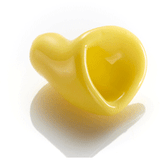




A packet of foam plugs from the servo can seem like an easy fix when the world gets too loud. But if you wear earplugs more than occasionally, the choice between reusable earplugs vs disposable starts to matter a lot - for comfort, protection, cost, hygiene and how likely you are to keep using them.
The right answer depends on where you wear them and what you need them to do. A concreter on a noisy site, a drummer at rehearsal, a light sleeper near traffic and a frequent flyer all have different demands. Earplugs are not interchangeable, and treating them that way is where people often end up underprotected, uncomfortable, or simply giving up on hearing protection altogether.
Reusable earplugs vs disposable: the real difference
Disposable earplugs are usually soft foam plugs designed for short-term use. You roll them down, insert them into the ear canal, and let them expand. They are widely used on worksites, in warehouses and for general noise reduction because they are inexpensive and easy to hand out in bulk.
Reusable earplugs are made from more durable materials such as silicone, thermoplastic or medical-grade compounds. Some are universal-fit, while others are custom-moulded to the shape of your ears. They are designed to be cleaned and worn again, often for months or years depending on the product and how well they are maintained.
That basic difference affects almost everything else. Disposable plugs are built for convenience and low upfront cost. Reusable plugs are built for consistency, comfort and long-term value.
Protection is not just about the highest rating
A common mistake is assuming the plug with the biggest noise reduction number is automatically the best choice. In practice, protection only works if the earplug fits properly and suits the environment.
Foam disposables can provide strong attenuation when inserted correctly. The problem is that many people do not insert them deeply enough. If the plug is only half-seated, the level of protection can drop sharply. On busy worksites, that can mean a product that looks compliant on paper but performs poorly in real life.
Reusable earplugs often give more reliable day-to-day results because the fit is more consistent. With well-designed universal reusable plugs, and especially with custom-moulded options, there is less guesswork. That matters in workplaces where hearing protection needs to be worn for long shifts, and in music settings where the goal is not to block everything out, but to reduce volume without wrecking clarity.
For Australian workplaces, certified hearing protection and the right attenuation level matter. Too little protection leaves hearing at risk. Too much can also create problems if workers cannot hear instructions, alarms or nearby vehicles clearly. This is one reason application-specific reusable options are often the better investment.
When disposable foam still makes sense
Disposable plugs are not a bad product. They are useful for visitors on site, occasional noisy tasks, emergency backups, and large teams where immediate access is the priority. They also suit people who only need ear protection once in a while and are unlikely to maintain a reusable pair properly.
But they are rarely the best long-term solution for people using earplugs every day or every week.
Comfort decides whether you will actually wear them
The best earplug is the one you will keep in for the whole period you need protection. That is where reusable earplugs often pull ahead.
Foam plugs can feel fine for short stretches, but over time some users find they create pressure, itchiness or irritation, especially if they are inserting and removing them repeatedly. They can also be fiddly with dirty hands, gloves on, or in fast-moving work environments where there is no patience for careful rolling and insertion.
Reusable earplugs are generally quicker to place and remove. Better-quality designs sit more predictably in the ear and can be more comfortable across long wear periods. Custom-moulded earplugs go further again because they are shaped to your ear canal. For people wearing protection through a full shift, a full set, a long haul flight or every night for sleep, that comfort difference is not minor. It is the difference between consistent protection and plugs left in a pocket.
Reusable earplugs vs disposable for sleep and daily use
For sleep, the answer often comes down to side-sleeping comfort, skin sensitivity and routine. Disposable foam can work well for occasional snoring or travel, but nightly use tends to expose the downsides - pressure, irritation, inconsistent fit and a steady stream of used plugs in the bin.
For regular sleep support, many people prefer a reusable option designed specifically for sleeping, or a custom solution if comfort has been hard to get right. The same applies to noise sensitivity, tinnitus support and frequent travel. If you rely on earplugs often, comfort stops being a bonus and becomes the whole game.
Cost over time is where reusable usually wins
Disposable earplugs are cheap to buy and expensive to keep replacing. Reusable earplugs cost more at the start but usually work out better value over time.
If you use one pair of foam plugs every day, the ongoing spend adds up quickly across weeks and months. For businesses, the cost multiplies across teams, visitor stations and procurement cycles. Add wastage, poor insertion, lost plugs and the need to keep stock on hand, and the supposedly cheaper option starts looking less efficient.
Reusable earplugs can last for months or years depending on the model. Custom products have a higher upfront price, but they are made for repeat use and specific environments. For workers, musicians, riders and regular travellers, that often makes them the smarter long-term purchase.
There is also the environmental cost. A high-use disposable habit creates a surprising amount of rubbish. For organisations trying to reduce waste, or for individuals who simply do not like throwing out foam plugs every few days, reusable hearing protection is the more sustainable choice.
Hygiene depends on habits
People often assume disposable automatically means cleaner. That is only partly true.
A fresh disposable plug is clean when opened, but only for that use. Once it has been handled, dropped in a tool bag, or pulled out and reinserted, the hygiene advantage fades quickly. Many users also stretch the life of disposable plugs beyond what they were designed for, which can lead to dirty, worn plugs going back into the ear.
Reusable earplugs need cleaning, but the routine is straightforward. If you wash and store them properly, they can remain hygienic and comfortable. For many users, a good reusable pair with a proper case is actually easier to keep track of and care for than a loose stream of disposables.
The key is honesty about your habits. If you know you will never clean a reusable product, disposables may be more realistic. If you are already managing safety gear, musical equipment, swim gear or travel essentials, cleaning earplugs is usually not a stretch.
Different jobs need different earplugs
This is where generic comparisons fall short. The better question is not simply reusable earplugs vs disposable. It is what you need to protect against, and what else you need to hear.
On industrial sites, foam disposables are common because they are simple and scalable. But many workers do better with reusable or custom solutions when protection needs to be worn all day, when communication matters, or when fit-testing and compliance are taken seriously.
For musicians, DJs, venue staff and concertgoers, disposable foam plugs often reduce sound in a blunt way. Everything gets muffled. A good reusable music earplug is designed to lower volume more evenly, so speech and musical detail remain clearer.
For motorcyclists, swimmers, shooters and travellers, the shape, seal and purpose of the earplug matter even more. Wind noise, water ingress, impulse noise and cabin pressure are different problems. A general foam plug is not always the right tool.
This is where specialist advice helps. Hearsafe Australia focuses on hearing protection that matches the environment rather than pushing one-size-fits-all options, and that approach usually leads to better outcomes.
So which should you choose?
If you need earplugs once in a blue moon, disposable foam is often perfectly adequate. It is accessible, low cost upfront and easy to keep as a spare.
If you use earplugs regularly, want better comfort, need more consistent fit, care about waste, or need protection tailored to music, work, sleep, travel or water, reusable earplugs are usually the stronger choice. If you wear them for hours at a time or need them in a professional setting, custom-moulded options are worth serious consideration.
Hearing damage is permanent. The product you choose should make protection easier to wear, not harder. If your current earplugs are uncomfortable, unreliable or always ending up in the rubbish after one use, that is usually a sign it is time to move beyond the cheapest option and choose something built for the way you actually live and work.
