





A packet of foam earplugs can cost less than a coffee. Custom earplugs can feel like a bigger step. But when you are trying to protect your hearing on a worksite, sleep through night-time noise, or hear music clearly without the volume doing damage, the real question is not just price. It is whether custom earplugs vs foam gives you the protection, comfort and practicality your day actually demands.
Hearing damage is permanent. That is why the right earplug choice matters more than most people think. Foam plugs still have a place, but they are not automatically the best option just because they are cheap and easy to find.
Custom earplugs vs foam at a glance
Foam earplugs are disposable, compressible plugs designed to expand in the ear canal and block noise. They are widely used in construction, manufacturing, travel and sleep because they are inexpensive and can offer strong attenuation when inserted properly.
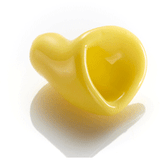
Custom earplugs are made to the shape of your ears. Depending on the style, they may be designed for industrial noise, music, sleep, swimming, shooting, motorsport or general noise reduction. Their main advantage is not only noise reduction. It is consistency. A plug that fits your ear properly is more likely to be worn properly, and that is what drives real-world protection.
If you only need occasional hearing protection, foam can be perfectly reasonable. If you wear earplugs regularly, need speech or sound clarity, or struggle with fit and comfort, custom protection often becomes the smarter long-term choice.
Fit is where the difference starts
Foam earplugs can perform very well in testing, but only if they are inserted correctly. That means rolling them tightly, pulling the ear into position, inserting them deeply enough, and then holding them while they expand. Plenty of people do not do that, especially when they are in a rush, wearing gloves, or using them in a dirty or high-pressure environment.
The result is a loose seal, uneven protection, or a plug that slowly works its way out. On a loud worksite or at a gig, that gap matters.
Custom earplugs remove much of that guesswork. Because they are moulded to your ears, they sit securely and create a reliable seal without needing to be forced into place. For people who wear hearing protection every day, that can make a major difference to both comfort and compliance.
This is especially relevant for employers and safety managers. The best hearing protection is the one workers will actually keep in for a full shift. If staff are constantly adjusting foam plugs, taking them out to hear instructions, or avoiding them because they hurt, your hearing conservation strategy has a weak point.
Comfort over time is not a small issue
A foam plug can feel fine for an hour. Eight hours is another story.
Because foam expands to fill the ear canal, some wearers find it creates pressure, itchiness or soreness over longer periods. Others find that different ear canals need different sizes, yet standard foam is still treated as one-size-fits-all. For shift workers, frequent flyers, light sleepers and riders, small comfort issues can become the reason they stop using protection consistently.
Custom earplugs are designed for extended wear. They are shaped for your ears rather than forcing your ears to adapt to them. That tends to reduce pressure points and improve stability. For musicians, venue staff, tradies and anyone exposed to regular noise, that comfort is not a luxury. It supports better habits, and better habits protect hearing.
Protection is not just about blocking the most noise
People often assume more noise reduction is always better. Sometimes it is. On certain worksites or around impulse noise, high attenuation is essential. But in many settings, overblocking can create its own problems.
Foam plugs typically reduce a broad range of sound and can muffle speech, alarms and environmental cues if the attenuation is too high for the setting. That may be acceptable for sleeping next to a snorer. It is less ideal when you need to hear instructions, traffic, music detail or warning signals.
Custom earplugs can be tailored to the job. Some use filters to reduce harmful sound more evenly, which helps preserve speech clarity and sound balance. That is why custom filtered plugs are widely preferred by musicians, DJs, event crew and some industrial users. You still reduce the risk of damage, but you are not cutting yourself off from the world unnecessarily.
Custom earplugs vs foam for different uses
The right answer depends heavily on where and how you use them.
Worksites and industrial settings
Foam earplugs are common in industry because they are cheap, easy to issue in bulk and suitable for visitors or short-term use. They can absolutely play a role in hearing protection programs.
But for workers who wear earplugs every day, custom options can improve comfort, reduce waste and support more reliable fit. They are also useful where communication matters and where hearing protection needs to align with Australian Standards and site-specific requirements.
Live music and performance
Foam plugs can reduce volume, but they often flatten the listening experience. Music loses detail, vocals become muddy, and performers can struggle to hear accurately.
Custom filtered earplugs are usually the better choice here. They reduce sound more evenly across frequencies, which helps musicians and gig-goers protect their hearing without sacrificing clarity.
Sleep and travel
Foam can work well for occasional sleep use, particularly if cost is the main factor. But side sleepers often find foam uncomfortable, and frequent users can become frustrated by pressure or poor fit.
Custom sleep plugs tend to be a stronger option for regular use because they are built for comfort through the night and are less likely to fall out.
Riding and motorsports
Wind noise causes more hearing damage than many riders realise. Foam plugs can help, but they can also be fiddly under a helmet and inconsistent if not inserted well.
Custom plugs sit more securely and comfortably under headgear, which makes them a practical choice for regular riders.
Cost matters, but so does replacement
Foam earplugs win on upfront price. There is no point pretending otherwise. If you need a quick, low-cost solution, they are accessible and useful.
The long-term picture is different. Disposable plugs need constant replacing. They get dirty, lose shape, end up in the rubbish and have to be bought again. For daily users, that ongoing cycle adds up.
Custom earplugs cost more at the start, but they are designed for repeated use over years with proper care. That makes them a stronger value proposition for people who rely on hearing protection regularly. There is also the environmental benefit. Reusable protection creates far less waste than disposable foam over time.
Hygiene and maintenance
Foam plugs are not built for long-term reuse. Once they become dirty, damaged or no longer expand properly, they should be replaced. In dusty, sweaty or dirty environments, that can happen quickly.
Custom earplugs need cleaning and sensible storage, but that maintenance is straightforward. For many users, it is easier to manage one well-fitting reusable set than a constant stream of disposables in pockets, gloveboxes and tool bags.
Of course, custom is not automatically better for everyone. If you are likely to lose them constantly or only need earplugs once or twice a year, foam may be the more sensible choice.
So which should you choose?
If your priority is the lowest upfront cost and occasional use, foam earplugs can do the job. They are practical for emergencies, short visits to noisy environments, and situations where disposability is genuinely useful.
If you need hearing protection often, want better comfort, require clearer communication, or are tired of plugs that never seem to fit quite right, custom earplugs are usually the better investment. They are especially worthwhile for workers in noisy industries, musicians, venue staff, riders, frequent travellers, light sleepers and anyone managing ongoing noise sensitivity.
For many Australians, this is less about custom earplugs vs foam as a simple winner-and-loser comparison and more about choosing the right tool for the right environment. Disposable foam has a role. Custom protection is what you move to when hearing health, comfort and consistency stop being optional.
If you are wearing earplugs regularly, that is often the point where generic protection starts costing more than it saves. Your ears do not get a replacement set, so it makes sense to choose protection you will actually wear, trust and keep using.
