

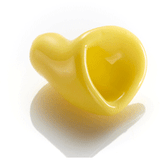




If you sleep on your side, you already know the problem: an earplug can feel fine for ten minutes, then start pressing into the ear against the pillow until it becomes the very thing keeping you awake. That is why finding the best earplugs for side sleepers is less about picking the highest noise rating and more about getting the right shape, material and fit for all-night comfort.
Sleep disruption is not a small issue. Broken sleep affects concentration, mood, recovery and day-to-day wellbeing. For some people it is a snoring partner. For others it is shift work, traffic, apartment noise, barking dogs or a generally noisy household. If you are dealing with tinnitus or noise sensitivity, the wrong earplug can make the night feel even longer. The good news is that there are earplugs designed to reduce noise without turning your ear into a pressure point.
What side sleepers actually need from earplugs
Side sleepers put direct pressure on the outer ear. That changes what counts as a good product. A plug that works well for travel, a concert or a worksite may not be comfortable in bed because sleep earplugs have to stay in place for hours while your head rests against a pillow.
The first requirement is a low-profile design. Earplugs that stick out too far are more likely to press into the concha, shift during the night or cause soreness by morning. Softness matters too, but soft on its own is not enough. If the plug is too soft and poorly shaped, it can still bunch up, loosen, or create uneven pressure.
Noise reduction also needs context. More attenuation is not always better for sleep. Extremely high noise blocking can feel isolating for some people, and with disposable foam plugs it can come at the expense of comfort and consistent fit. A well-fitted reusable or custom earplug with suitable attenuation often performs better in real use than a generic plug with a big number on the packet.
Best earplugs for side sleepers: what works best
For most side sleepers, there are three realistic categories: disposable foam, reusable silicone or soft polymer plugs, and custom-moulded sleep earplugs. Each has strengths, and each comes with trade-offs.
Disposable foam earplugs
Foam earplugs are common because they are cheap, easy to find and offer strong noise reduction when inserted correctly. For short-term use, they can be a practical option. They are often the first thing people try when snoring or neighbourhood noise becomes a problem.
But side sleepers run into the same issues again and again. Foam expands in the ear canal, and while that helps block noise, it can also create pressure overnight. If the plug is not inserted properly, performance drops fast. If it is inserted deeply enough to work well, some sleepers find the pressure uncomfortable by 2 am. There is also the hygiene factor. Disposable foam is not built for long-term reuse, and repeated use can affect cleanliness, fit and material integrity.
Reusable sleep earplugs
Reusable earplugs made from soft medical-grade materials can be a better step up. They are generally more durable, easier to clean and often shaped with sleep comfort in mind. Low-profile flanges or compact moulded designs can reduce the feeling of the plug pushing against the pillow.
These suit people who want better longevity than foam without moving straight to a custom option. They also create less waste over time, which matters if you are using earplugs most nights. The trade-off is fit. Reusable universal-fit earplugs are still built around average ear shapes, and ears are not average. Some people get a secure, comfortable seal. Others do not.
Custom-moulded sleep earplugs
If comfort is your top priority, custom-moulded earplugs are often the best solution for side sleepers. They are made from impressions of your ears, which means the shape is designed to sit correctly in your ear rather than forcing your ear to adapt to the product. That makes a real difference when your ear is pressed against a pillow for hours.
Custom earplugs are especially useful for light sleepers, frequent users, shift workers, people managing sensory sensitivity, and anyone who has already tried foam and standard reusable plugs without success. They cost more upfront, but they are built for repeated use, better comfort and a more precise fit. In many cases, they are also the more sustainable choice compared with cycling through disposable products night after night.
Why custom often wins for sleep comfort
The main reason custom earplugs work so well for side sleepers is pressure distribution. A properly made custom plug sits more naturally within the shape of the ear, with less protrusion and fewer hotspots. Instead of one section digging in when your head turns, the contact tends to feel more even and less intrusive.
There is also the issue of seal consistency. During sleep you move, roll, shift your jaw and change position. Generic plugs can loosen or migrate, especially if your ear canals are smaller, larger or differently angled than average. A custom fit helps maintain attenuation through the night without constant readjustment.
This matters because interrupted sleep is often caused by a mix of comfort problems and noise leakage. If a plug becomes uncomfortable, you take it out. If it slips, sound gets through. Either way, your sleep suffers. That is why the best earplugs for side sleepers usually end up being the ones people can actually wear all night.
Features worth looking for before you buy
When comparing options, start with shape and profile. The best sleep earplugs sit as flush as possible and avoid hard external parts. Materials should feel soft enough for extended wear, but not so soft that they collapse or fail to seal properly.
Pay attention to intended use. Earplugs designed for concerts, motorcycling or industrial noise are not automatically suitable for bed. They may use filters, firmer materials or designs that prioritise other outcomes over pillow comfort.
Cleaning and lifespan matter as well. If you need earplugs several nights a week, a reusable or custom product usually makes more sense than relying on disposables. It is better for consistency, easier to maintain and often better value over time.
If you have tinnitus, sensitive skin or a history of ear irritation, fit becomes even more important. An earplug that technically reduces sound but causes tenderness or itching is not the right product for regular use.
Common mistakes side sleepers make
One of the biggest mistakes is buying based only on maximum noise reduction. A massive attenuation figure can look reassuring, but if the earplug hurts after an hour, the rating is irrelevant. Sleep products need to work in the real world, not just on packaging.
Another mistake is assuming all soft earplugs are equally comfortable. Material softness helps, but shape, insertion depth and ear anatomy matter just as much. Two products made from similar materials can feel completely different overnight.
People also tend to persist too long with a poor fit because they think discomfort is normal. It is not. Mild adjustment is one thing. Ongoing pressure, pain or repeated waking is a sign the earplug is wrong for your ears or your sleep position.
How to choose the right option for your situation
If you only need earplugs occasionally, such as for travel or a few noisy nights a month, a quality reusable sleep plug may be enough. It gives you better durability than foam and can be a practical middle ground.
If you use earplugs most nights, sleep on your side every night, or have already tried off-the-shelf options without success, custom-moulded earplugs are usually the smarter long-term choice. They are built around comfort, consistent fit and regular use. For many people, that means fewer disturbed nights and less trial and error.
If noise sensitivity is part of a broader sensory issue, including for some NDIS participants, a consultative approach is worth considering. Product selection should match not just the noise environment, but also tolerance, routine and comfort needs.
Specialist providers such as Hearsafe Australia can help match sleep earplugs to actual use rather than generic assumptions. That matters because hearing protection is not one-size-fits-all, and sleep is where poor fit shows up fastest.
The best earplugs for side sleepers depend on fit
There is no single product that suits every ear, every pillow and every noise environment. But there is a clear pattern: side sleepers usually do best with earplugs that are low-profile, soft, stable and designed for prolonged wear. For occasional use, reusable sleep plugs may be enough. For nightly comfort and a more reliable seal, custom-moulded options often justify the investment.
Your hearing and your sleep are both worth protecting. If an earplug helps reduce noise but leaves your ears sore by sunrise, keep looking. The right fit should feel secure, comfortable and easy to live with - which is exactly what makes it worth wearing tomorrow night as well.