

Image caption appears here

Add your deal, information or promotional text

Best Sleep Earplugs for Snoring

  • 6 min read

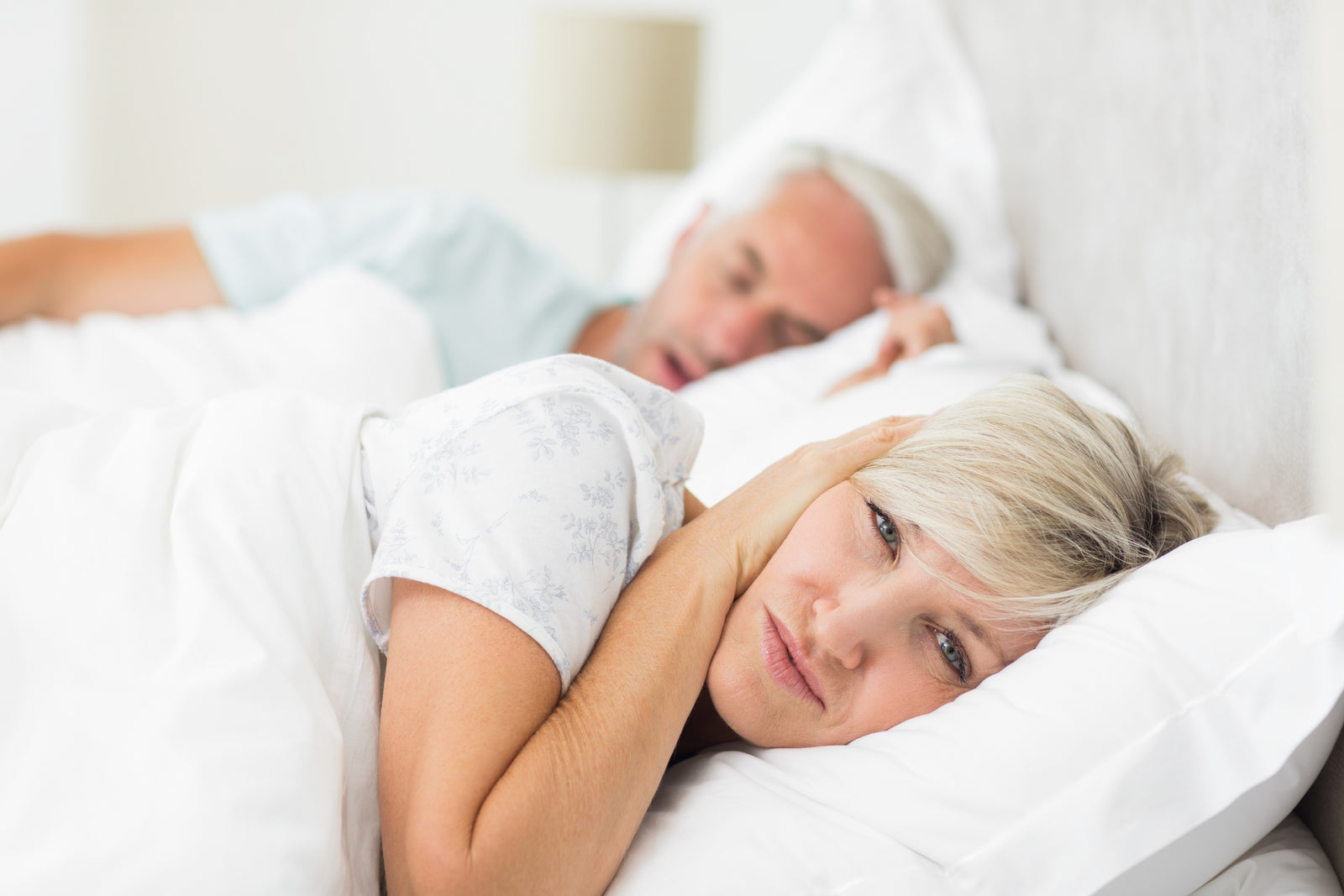
If you have ever found yourself lying awake at 2 am, staring at the ceiling while someone beside you sounds like a chainsaw in the next room, you already know the problem is not minor. Sleep earplugs for snoring can make a real difference, but only if you choose the right type. The wrong pair can feel uncomfortable, fall out by midnight, or block so much sound that you miss an alarm, a child calling out, or something else you genuinely need to hear.

That is why this is less about buying any earplug labelled for sleep and more about choosing a hearing protection solution that fits your sleeping position, your sensitivity to noise, and how often you will actually use it. For some people, a soft reusable plug is enough. For others, especially light sleepers or side sleepers, custom sleep plugs are the better long-term option.

Why snoring feels louder at night

Snoring is not always extreme in measured decibels, but it becomes intrusive because of timing, repetition and proximity. A low rumble that would be easy to ignore during the day can become impossible to tune out in a quiet bedroom. Your brain is also trying to rest, not filter noise, so irregular sounds such as snorts, gasps and vibrating nasal noise tend to grab attention.

This is where sleep earplugs for snoring can help. They do not usually eliminate snoring completely, and no responsible retailer should promise that. What they can do is reduce the intensity enough to make the sound less disruptive, so your nervous system is not reacting to every burst of noise.

What actually matters in sleep earplugs for snoring

The first factor is comfort. That sounds obvious, but it is the main reason people give up on earplugs. A plug can have strong noise reduction on paper and still be useless if it creates pressure in the ear canal, especially for side sleepers with one ear pressed into a pillow.

The second factor is fit. Disposable foam plugs can work well for some sleepers, but they rely heavily on correct insertion. Many people do not insert them deeply enough, which means weaker performance and a plug that slowly works its way out overnight. Reusable sleep plugs can be easier to handle and more consistent, while custom-moulded plugs are made to match the shape of your ear for a more secure fit.

The third factor is balanced noise reduction. More is not always better. If earplugs block too much sound, some people feel cut off or uneasy, and practical issues follow. You may want to reduce snoring, not remove all awareness of your environment. That balance matters if you need to hear an alarm, a baby monitor, or early morning movement around the house.

Foam, reusable or custom: which type is best?

Foam earplugs are usually the cheapest entry point. They are widely available, soft when inserted properly, and capable of strong attenuation. If your partner has started snoring recently and you want a fast, low-cost option, foam may be enough to test whether earplugs help at all. The downside is that foam is disposable, technique-sensitive and not ideal for everyone over the long term. Some users find it wasteful, some struggle with fit, and some simply do not like the feeling.

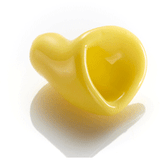
Reusable silicone or polymer sleep plugs sit in the middle. They are designed for repeat use, which makes them more cost-effective and environmentally sensible than throwing away foam every night. Good reusable options are softer, easier to clean and often more comfortable for regular sleepers. They still come in standard sizes, though, so fit is better than foam for some people and worse for others.

Custom sleep earplugs are the premium option, and for frequent use they often justify that position. They are made from impressions of your ears, so the fit is specific to you rather than approximate. That usually means better comfort, a lower chance of the plug loosening overnight, and more predictable performance. For side sleepers, light sleepers, people with noise sensitivity, or anyone using earplugs most nights, custom can be the difference between occasionally helpful and consistently wearable.

Side sleepers need to be more selective

If you sleep on your side, the shape and profile of the earplug matters almost as much as the material. A bulky plug can press into the ear when your head is on the pillow, causing soreness or waking you up after a few hours. This is one of the most common reasons people say earplugs do not work for them, when the issue is really that they are using the wrong design.

Low-profile sleep plugs are usually the better choice. Softness matters too, but soft alone is not enough if the plug protrudes. A custom low-profile design is often the best solution for side sleepers because it can be shaped for both comfort and secure overnight wear.

When custom earplugs are worth it

Not every sleeper needs custom protection, but there are clear cases where it makes sense. If snoring is a nightly issue, if you have already tried chemist foam plugs without success, or if you are waking with sore ears, custom is worth serious consideration. It is also a strong option for people managing tinnitus or sensory sensitivity, where comfort and predictability matter more than trial-and-error buying.

There is also a long-term value argument. Quality custom earplugs are built for repeated use and proper care. Instead of cycling through packets of disposables that end up in the rubbish, you invest in a durable solution made for your ears and your use case. That aligns with the broader shift many Australians are making towards products that last longer and perform better.

For a specialist provider such as Hearsafe Australia, that fit-for-purpose approach is the point. Sleep protection is not just another generic product category. It is a real health and wellbeing issue tied directly to rest, concentration and day-to-day functioning.

What earplugs can and cannot do

Good earplugs reduce sound. They do not treat the cause of snoring. If the snoring is heavy, sudden or linked with choking, gasping or breathing pauses, the snorer should speak with a health professional. Earplugs may help the person beside them sleep, but they are not the fix for a potential medical issue.

It is also worth setting realistic expectations. Earplugs can take the edge off snoring and make it less intrusive, but they may not create total silence. In fact, a complete feeling of silence is not always desirable or realistic in a home environment. The goal is usually better sleep, not perfect sound isolation.

How to choose the right pair

Start with your actual sleep habits rather than the packaging. If you only need earplugs occasionally, a quality reusable option may be enough. If you wear them four or five nights a week, comfort and durability become much more important.

Think about whether you sleep on your side, whether you have small or sensitive ear canals, and whether you have struggled with standard earplugs before. If the answer is yes to any of those, move away from generic high-bulk options. Fit problems rarely improve through persistence.

You should also consider hygiene and maintenance. Sleep earplugs sit in the ear for hours at a time, so they need to be kept clean and replaced when worn. Reusable and custom plugs require simple care, but that care is part of getting safe, comfortable long-term use from them.

A better night’s sleep starts with the right fit

People often treat snoring as a relationship issue or a joke, right up until fatigue starts affecting work, patience, concentration and general health. That is usually the point where sleep earplugs for snoring stop sounding like a small purchase and start looking like a practical solution.

The best choice is the one you will actually wear through the night - comfortably, consistently and without second-guessing whether it is doing the job. If you are tired of trying random options and waking up just as exhausted, it may be time to choose earplugs built for sleep, not just noise in general.

Search

View Hearsafe Australia Pty Ltd profile on Ariba Discovery
Australian Standards Certified (AS/NZS 1270)