

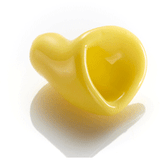




You should not leave a gig with your ears ringing. If the music was brilliant but your hearing feels dulled, muffled or sharp the next morning, that is not part of the experience - it is a warning sign. The right earplugs for live music reduce harmful volume while letting you hear the set properly, which is exactly what most people want but often assume is not possible.
A lot of concertgoers still picture cheap foam plugs that flatten everything into a muddy thud. That is where many people give up before they have tried a proper music earplug. Live music earplugs are built differently. Instead of blocking sound unevenly, better designs aim to lower the level more evenly across frequencies so vocals, instruments and detail stay far more natural.
Why earplugs for live music matter more than most people realise
Live venues, festivals, clubs and rehearsal rooms can all reach sound levels that put your hearing under real stress. Damage risk is not just about one enormous burst of noise. It can come from repeated exposure over time, especially if loud music is part of your weekend, your work or your livelihood.
That matters whether you are in the crowd, on stage, behind the bar or working security near the speakers. Hearing damage is permanent. Tinnitus can be persistent and exhausting. Once hearing is affected, there is no quick fix that restores it to what it was before.
This is why hearing protection should be treated the same way you would treat sunscreen in summer or a helmet on a motorbike. It is preventative, practical and far easier than dealing with the long-term consequences.
What makes music earplugs different from foam plugs
Foam plugs have a place. On a worksite or around general noise, they can be useful when fitted correctly. For music, though, they are often the wrong tool for the job.
Foam tends to over-reduce higher frequencies, which can make a live set sound muffled and disconnected. You might protect your ears, but you lose much of what makes the performance enjoyable. That is why many people take them out halfway through the night, which defeats the purpose.
Music earplugs are designed to preserve clarity. They lower the volume without stripping away as much detail, so you can still follow vocals, hear cymbals, pick up speech between sets and enjoy the balance of the mix. For musicians and venue staff, that cleaner sound is even more important because communication and accuracy matter as much as comfort.
Choosing earplugs for live music
The best choice depends on how often you go, how loud your environments are and how precise you want the sound to remain.
If you go to the occasional concert, a quality reusable filtered earplug is usually the most practical place to start. It is affordable, more comfortable than foam for many people and far better suited to music. For frequent gig-goers, DJs, musicians and venue workers, custom-moulded earplugs are often worth the step up because the fit is more secure, the comfort is better over long sessions and the protection is more consistent.
There is also the question of attenuation, or how much sound reduction you need. More reduction is not automatically better. If the filter is too strong for the setting, music can feel distant and conversation becomes harder than it needs to be. If it is too light, you may still be overexposed. The right level depends on whether you are at an indoor club, an outdoor festival, a rehearsal room or standing next to the PA every weekend.
Reusable filtered earplugs
Reusable filtered earplugs are a strong option for people who want a meaningful upgrade from foam without moving straight to a custom product. They are designed for music listening, relatively easy to carry and suitable for concerts, pubs, festivals and occasional performance work.
Fit still matters. If a reusable plug does not seal well in your ear canal, the protection will not be reliable. Some people get a very good result with universal-fit products. Others find one ear never quite sits right or the plugs become uncomfortable after an hour or two.
Custom-moulded earplugs
Custom earplugs are made from impressions of your ears, so the fit is unique to you. That generally means better comfort, better consistency and less temptation to pull them out mid-set. For musicians, DJs, sound engineers and regular venue staff, custom options are often the most dependable long-term solution.
They also make sense for regular concertgoers who are serious about protecting their hearing without compromising enjoyment. A good custom music earplug can feel less intrusive and sound more natural because it is built for stable placement and application-specific use.
How much protection do you actually need?
This is where general advice can become a bit too simplistic. People are often told to buy the highest reduction they can find. In reality, hearing protection works best when it matches the environment.
At a moderate live venue, a lower or mid-level filter may be enough to bring the sound into a safer, more comfortable range while keeping the music lively. In a nightclub, rehearsal studio or near stage monitors, more protection may be appropriate. If you work long shifts in a venue, your needs are different again because duration matters just as much as peak volume.
The goal is not to make music quiet. The goal is to reduce exposure to a safer level without ruining the reason you are there.
Comfort is not a small detail
People often focus on sound quality and forget the basic reason earplugs get left in a pocket. If they itch, loosen, create pressure or feel bulky, they are less likely to stay in.
Comfort becomes even more important during multi-band events, day festivals and long sets. Custom products tend to lead here because they are shaped to your ear, but a well-designed reusable plug can still work very well if the fit suits you. Material, shape and insertion depth all affect wearability.
If you are choosing between a cheaper product you will not wear and a better one you will use every time, the better one is usually the smarter investment.
Earplugs for live music if you are a musician or venue worker
For performers and crew, hearing protection is not just about getting through one loud night. It is about staying capable year after year.
Musicians need to hear pitch, timing and dynamics. DJs need clarity without excessive harshness. Venue staff need to hear speech, take orders and respond to the room. That is why application-specific hearing protection matters. Generic plugs can protect, but they often create trade-offs that make work harder.
This is where specialist advice is useful. A drummer in a rehearsal room, a bartender in a packed pub and a front-of-house engineer do not all need the same product. The environment, role and exposure pattern shape what will work best.
Maintenance matters more than people expect
Reusable and custom earplugs are not set-and-forget products. They need basic care to keep performing properly and to remain hygienic.
Clean them as recommended, store them in their case and check them for wear. Filters and components can degrade over time, especially if they are regularly exposed to sweat, dust and rough handling at gigs. If a plug no longer seals properly or sounds different from one side to the other, it may need replacement parts or reassessment.
This is one reason premium hearing protection often represents better value over time. It is built for repeat use, not a few nights out before ending up in the rubbish.
The long-term value of buying properly
There is always a cheaper option. But hearing protection is one of those categories where buying solely on price can be a false economy.
If a low-cost pair sounds poor, feels uncomfortable or falls out, many people stop using it. If a better product protects your hearing and still lets you enjoy music, you are far more likely to wear it consistently. That is what delivers the real benefit.
For regular music lovers, custom or premium reusable earplugs can also be the more sustainable choice. They last longer, reduce reliance on disposable foam and are designed for repeated use in the environments where hearing damage commonly happens.
At Hearsafe Australia, this is why the focus stays on fit, certified protection and solutions matched to real-life use rather than one-size-fits-all claims.
So what should you buy?
If you only go to a few gigs a year, start with a quality reusable filtered earplug designed for music. If you attend loud events often, work in venues or perform regularly, custom-moulded earplugs are usually the stronger long-term choice.
If you already have tinnitus, sound sensitivity or concerns about previous noise exposure, it is worth taking the decision more seriously rather than hoping a generic product will do the job. The best earplug is the one that suits your environment, fits properly and gets worn every time.
Your hearing shapes how you experience music for the rest of your life. Protecting it should never mean settling for a worse night out - it should mean you can keep enjoying live music for years to come.
