

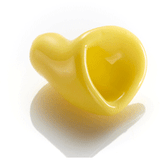




The set felt fine. The crowd was up, the wedges were loud, and nobody thought much about it until the ringing kicked in after pack-down. That is how hearing damage often starts for performers - not with one dramatic moment, but with repeated exposure that feels manageable until it is not. Custom moulded earplugs for musicians are designed for that exact problem: lowering dangerous sound levels while keeping music intelligible enough to rehearse, perform and mix with confidence.
For musicians, generic foam plugs are a poor compromise. They can muffle high frequencies, throw off pitch perception and make stage communication harder than it needs to be. That usually leads to one of two outcomes - they get pulled out mid-set, or they stay in a case and never get used. Neither helps when hearing loss and tinnitus are permanent.
Why musicians need different hearing protection
Music is not random noise. It is detailed, dynamic and frequency-dependent. A drummer needs to feel impact without being battered by cymbal wash. A guitarist needs enough top-end to hear articulation. Vocalists need to catch their own tone and blend. DJs and venue staff often work in consistently high SPL environments for hours at a time, which creates a different risk profile again.
That is why musician earplugs are not simply about blocking as much sound as possible. They are about controlled attenuation. A well-designed filter reduces volume more evenly across frequencies, so the result feels more natural and less like listening through a pillow. The goal is protection without losing the information that matters.
This is where custom fit starts to matter. If the seal is inconsistent, attenuation becomes inconsistent too. You may get pressure points, slippage with jaw movement, or a fit that changes once you start sweating under lights. A custom earpiece built from your ear impressions sits more securely and predictably, which is a major advantage for live performance and long sessions.
What makes custom moulded earplugs for musicians different
The biggest difference is fit, but fit is only half the story. Custom moulded earplugs for musicians also use acoustic filters selected for music listening rather than blunt noise reduction. Instead of shutting the world out, they aim to preserve balance and clarity at a safer level.
In practical terms, that means you can still hear timing cues, stage banter and musical detail more accurately than you would with cheap foam plugs. They are also more comfortable over longer periods. For musicians who rehearse weekly, tour, teach or work in venues, comfort is not a luxury. If earplugs hurt, itch or loosen constantly, they will not be worn consistently.
There is also a durability factor. Disposable plugs have a place, especially as a backup, but they are not built for repeated use or precision listening. A quality custom solution can last for years with proper care, which makes it a sensible long-term investment for anyone regularly exposed to loud music.
Choosing the right filter for your setup
Not every musician needs the same level of attenuation. The right filter depends on your instrument, stage position, monitoring setup and how long you are exposed.
A singer in quieter acoustic settings may need a lighter filter than a drummer rehearsing in a tight room. A venue technician doing full shifts beside PA systems may need stronger attenuation than a guitarist using in-ear monitors and lower stage volume. This is where one-size-fits-all advice falls over. The best result comes from matching the plug and filter to the actual environment.
It is also worth being realistic about your habits. If you already find yourself removing earplugs because you feel disconnected, pushing straight to the highest attenuation may not be the answer. Sometimes a slightly lighter filter that you will wear properly for the whole set is the better choice. Protection only works when it is used.
Custom vs universal earplugs
Universal musician earplugs can be a good entry point, especially for casual gig-goers or players not yet ready for custom impressions. Good universal models are far better than foam if your priority is preserving some fidelity.
But custom offers clear advantages for frequent use. The seal is more reliable, the comfort is better, and the fit is made for your ears rather than the average ear. For musicians with narrow canals, unusual ear shape, or trouble keeping universal plugs seated, custom can make the difference between wearing protection every time and giving up on it.
There is a cost trade-off, of course. Custom earplugs are a higher upfront spend. If you only attend a few gigs a year, a universal filtered option may be enough. If you are rehearsing every week, performing regularly or working in music professionally, the value of custom becomes much easier to justify.
The fitting process is simpler than most people expect
For many musicians, the idea of custom hearing protection sounds more complicated than it is. The process usually starts with choosing the right product and filter based on your noise exposure and listening needs. Ear impressions are then taken so the plugs can be made to the shape of your ear canals.
Once fitted, they should feel secure without pain. A proper custom plug is not meant to feel loose, but it should not create constant pressure either. There can be a short adjustment period if you have never worn fitted hearing protection before, especially when speaking or singing, but that usually settles quickly.
If something feels off, it is worth addressing. A poor fit can reduce performance and comfort, and musicians are especially sensitive to acoustic changes. That is one reason specialist guidance matters. Hearsafe Australia works with customers who need music-specific solutions, not just generic noise reduction.
Common mistakes musicians make
The first mistake is waiting until symptoms show up. Ringing after gigs, dulled hearing the next morning and sound sensitivity are not harmless quirks of the job. They are warning signs that the ears are being pushed too hard.
The second is assuming volume is only a problem at major events. Loud rehearsal rooms, teaching studios, drum practice, pubs with poor room acoustics and side-of-stage exposure can all add up. Noise dose matters, not just peak volume.
The third is choosing protection that is technically protective but practically unusable. If the sound is too muffled, if the fit is irritating, or if communication becomes impossible, most people stop wearing them consistently. That is why product selection matters just as much as the idea of wearing earplugs in the first place.
Looking after your earplugs so they last
Custom plugs are made for repeat use, but they still need basic care. Regular cleaning helps prevent wax build-up and keeps filters working as intended. Storage matters too. Throwing them loose into a backpack with leads, picks and old batteries is a quick way to damage them.
Musicians should also keep an eye on fit over time. Significant weight change, dental work or natural changes in the ear can affect how a custom plug seals. If they start feeling loose or the attenuation seems uneven, it may be time for a review.
This is another advantage over disposables. Better longevity means less waste, fewer repurchases and a more dependable result from one rehearsal to the next. For many customers, that sustainability benefit is part of the appeal as well.
Are custom moulded earplugs for musicians worth it?
If music is part of your work or a serious part of your life, usually yes. They do not make loud environments risk-free, and they are not a replacement for managing stage volume or taking hearing breaks where possible. But they are one of the most effective ways to reduce exposure without sacrificing the detail musicians rely on.
The strongest case for custom is not just sound quality. It is consistency. Consistent fit, consistent attenuation and consistent use. That combination gives you a far better chance of protecting your hearing over years of rehearsals, gigs and long nights in venues.
There is no reset button for noise-induced hearing damage. Once clarity drops or tinnitus sets in, you are managing a problem rather than preventing one. For musicians, that affects more than comfort. It affects performance, confidence and the ability to keep doing the work well.
If your current earplugs are sitting unused because they sound awful or never fit quite right, that is not a small issue. It is a sign the solution does not match the job. The right hearing protection should help you stay in the music for longer, not push you out of it.
