



A grinder kicks on, a compressor starts cycling, forklifts reverse, and suddenly the site sounds normal again. That is exactly where risk gets missed. Workplace noise exposure limits exist because hearing damage does not wait for a dramatic moment. It builds through repeated exposure, and once it happens, it cannot be reversed.
For Australian workers and employers, noise is not just a comfort issue. It is a health and safety issue, a compliance issue, and often a productivity issue as well. If people are shouting to be heard at close range, if tools are running for long parts of the shift, or if ringing ears show up after work, the noise level deserves attention.
What workplace noise exposure limits actually mean
In Australia, workplace noise exposure limits are designed to reduce the risk of permanent hearing loss. The key benchmark is an average noise level of 85 dB over an eight-hour day, along with a peak noise level of 140 dB peak. Those two numbers matter for different reasons.
The 85 dB figure is about cumulative exposure. A worker may not think 85 dB sounds extreme, especially in an industrial setting, but the risk comes from duration. The ear does not get a reset button between noisy tasks. Exposure adds up across the shift.
The 140 dB peak limit deals with short, intense bursts of sound. That could be impact tools, metal-on-metal strikes, explosive fastening systems, or sudden impulse noise in workshops and construction environments. Even very brief exposure at high peak levels can cause immediate damage.
This is where people often get caught out. They assume the only dangerous noise is the painfully loud kind. In practice, plenty of harmful exposure happens in workplaces that simply feel busy, mechanical, or constantly noisy.
Why the limits are not just numbers on paper
Noise-induced hearing loss is permanent. So is tinnitus in many cases. That makes workplace noise different from hazards that disappear when the shift ends. You can walk away from a loud site, but your hearing does not always come back with you.
There is also a business cost. Workers struggling to hear instructions, warning signals, vehicle movement, or each other are not operating in an ideal safety environment. Fatigue can rise in noisy workplaces too. Constant sound takes effort to process, especially where communication matters.
That is why workplace noise exposure limits should sit inside a broader hearing conservation approach, not as a box-ticking exercise. Measuring noise, controlling it, selecting the right hearing protection, and making sure workers actually wear it properly all matter. If one part is weak, the whole system becomes less effective.
How noise exposure is assessed on site
Noise is usually assessed with sound level meters or personal noise dosimeters. A sound level meter helps identify the noise coming from specific machines, tools, or work areas. A dosimeter is worn by the worker and tracks exposure across the day, which is often more useful when people move between tasks.
That difference matters. A fabrication worker might spend only part of the day using a cutter, but the rest of the shift could still include compressors, extraction systems, traffic movement, and impact noise. Looking at one machine in isolation can understate the real exposure.
Assessment should also reflect how the work is actually done. A quiet test run in an empty shed tells you less than measurement taken during a real shift with equipment operating together. The practical question is not, what is the machine rated at? It is, what is the worker actually exposed to?
Common workplaces where limits are exceeded
Construction, manufacturing, mining, aviation, transport, agriculture, entertainment, and workshop environments are obvious examples. But exposure risk is not limited to heavy industry. Hospitality venues, music settings, schools with industrial arts areas, racing environments, and even some open-plan workplaces can create sustained or repeated noise loads.
For safety managers, the challenge is that harmful noise is not always consistent. Some roles involve steady machine noise. Others involve intermittent bursts. Some workers are exposed every day, while others only during certain jobs or seasons. That means the right response depends on the task, the duration, and the type of sound.
A musician or venue staff member faces a different hearing risk than a boilermaker, but both can exceed safe exposure levels. The solution should match the environment rather than forcing everyone into the same generic option.
If the noise is too high, what should happen next?
The first step is not automatically handing out disposable foam plugs and hoping for the best. Hearing protection is important, but it sits alongside other controls. Employers should first look at whether noise can be reduced at the source, isolated, or managed through equipment changes, barriers, maintenance, or work practices.
Sometimes that is straightforward. A worn bearing, rattling guard, or poorly maintained exhaust system can add unnecessary noise. Sometimes it is more complex, especially when the process itself is loud by nature. In those cases, hearing protection becomes essential.
The trade-off is that protection has to be strong enough to reduce risk without making communication and situational awareness harder than necessary. Overprotection can be a problem too. If workers remove earplugs because they cannot hear instructions, the protection is not working in the real world.
Choosing hearing protection that workers will actually wear
This is where fit and application matter. Disposable foam plugs can be useful in some settings, but they are often inserted incorrectly, worn inconsistently, or rejected because they are uncomfortable over long periods. That is a compliance problem as much as a product problem.
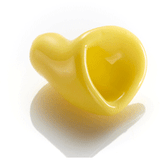
Reusable and custom-moulded hearing protection can make a major difference, especially where workers need reliable attenuation, day-long comfort, and the ability to communicate. A properly selected solution can lower hazardous noise while still allowing speech and warning sounds to remain more usable.
For workplaces with regular exposure, custom options are often a better long-term investment. They last longer, reduce waste compared with endless disposable plugs, and are more likely to be worn properly because they fit the individual ear. For employers, that can mean better consistency across teams and less frustration around PPE compliance.
Hearsafe Australia works with these kinds of situations every day, helping match hearing protection to the actual environment rather than just the broad category of noise.
Workplace noise exposure limits and the problem with DIY judgement
A common mistake is relying on personal tolerance. One worker says the machine is fine. Another says it is painfully loud. Neither response is a substitute for measurement. Hearing risk is not judged by who complains first.
There is also the issue of gradual adaptation. People get used to noise. That does not mean it is safe. If anything, familiarity can delay action. Workers may accept ringing ears after a shift as part of the job until hearing tests show a loss that has already started.
The same goes for consumer earmuffs bought without checking ratings, compatibility, or suitability for the task. Not every hearing protector is appropriate for every workplace. Fit, certification, attenuation level, hygiene, maintenance, and compatibility with other PPE all need consideration.
Training matters more than most workplaces think
Even the right product can fail if workers are not shown how and when to use it. Foam plugs inserted shallowly will not perform as intended. Reusable plugs that are never cleaned become unpleasant to wear. Earmuffs with damaged cushions can lose effectiveness.
Training should explain what the exposure limits are, why they matter, and what workers should watch for. It should also cover practical points such as correct insertion, storage, replacement, and what to do if protection interferes with communication or other equipment.
When people understand that the goal is preserving hearing for life, not just getting through the shift, compliance tends to improve. That message lands especially well when it connects work noise to everyday life - hearing your family clearly, following conversations, enjoying music, and not living with constant tinnitus.
The real goal is not just compliance
Meeting workplace noise exposure limits is the legal and safety baseline. The bigger goal is making sure workers can finish their careers with their hearing intact. That takes more than a policy in a folder. It takes assessment, practical controls, and hearing protection people trust enough to wear every day.
If your workplace is noisy enough that raised voices feel normal, do not treat that as part of the job. Treat it as the point where prevention starts.