

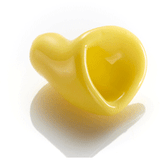




One lap in a chlorinated pool can be enough to remind you your ears are the weak link. For some adults, it is a mild annoyance. For others, trapped water means irritation, recurring ear issues, or time out of the water altogether. That is why swimming earplugs for adults are not a niche add-on. They are a practical piece of protection for anyone who swims regularly, deals with sensitive ears, or has been told by a health professional to keep water out.
The right pair should do one simple job well - create a reliable seal without becoming uncomfortable halfway through your session. That sounds straightforward, but fit, material, swimming style and ear shape all matter more than most people expect.
Why adults use swimming earplugs
A lot of people assume earplugs for swimming are mainly for children with grommets or adults recovering from an ear infection. That is part of the picture, but not the whole story. Many adult swimmers use them because they are prone to irritation after water exposure, have narrow or uneven ear canals, or simply hate the feeling of water sitting in the ear after a swim.
There is also a performance and comfort angle. If you swim multiple times a week, train in chlorinated pools, spend time in open water, or surf and swim recreationally on weekends, repeated water exposure can become a genuine problem. Even when it does not lead to infection, it can still mean discomfort, temporary muffling, and that familiar head-tilt routine in the change room.
For adults with a history of ear surgery, perforated eardrums, recurring swimmer's ear, or medically advised water avoidance, the stakes are higher. In those cases, a poor seal is not just annoying. It defeats the purpose.
What makes swimming earplugs for adults different
Not every earplug is built for water. That matters, because some people try to use general noise plugs, disposable foam plugs, or cheap one-size-fits-all options and then wonder why they leak, swell, or fall out.
Swimming earplugs for adults are designed around water exclusion first. That usually means softer waterproof materials such as silicone or thermoplastic elastomer, a shape that seals the outer ear canal effectively, and a fit that stays stable while turning your head, pushing off walls, or diving in. They do not need to block as much sound as an industrial earplug. They need to stay put and keep water out.
This is also where trade-offs come in. A very soft plug may feel comfortable but shift more easily if the fit is not right. A firmer reusable plug may hold its shape better, but some wearers find it more noticeable. Custom-moulded options tend to offer the best balance of seal and comfort, but they cost more upfront than generic retail packs. Whether that extra spend is worth it depends on how often you swim and how much trouble your ears give you.
Reusable vs custom: what suits your swimming routine?
If you swim occasionally on holidays or do the odd lap session, a well-made reusable plug can be enough. The benefit is convenience. You can buy them quickly, keep them in your swim bag, clean them after use and replace them when worn.
The weak point is fit. Adult ears vary a lot, and one-size products rarely fit everyone equally well. You may get a good seal in one ear and a poor one in the other. You may also find the plug feels fine when standing still but loosens during a set.
Custom earplugs are different because they are made from impressions of your ears. That means the seal is shaped to your anatomy rather than forcing your ear to adapt to a generic mould. For adults who swim often, have a history of ear problems, or have struggled with standard plugs, custom is usually the more dependable long-term option.
This is where a specialist provider earns its place. A business like Hearsafe Australia focuses on application-specific protection, and that matters. Swimming protection is not the same as sleep, music or industrial hearing protection. You want a product built for water, fitted properly, and selected for the way you actually use it.
The fit test most people skip
A lot of frustration with swim plugs comes down to one thing - people assume wearing them is enough. In reality, you need to know whether they are sealing properly.
A good fit should feel secure but not painful. You should not need to jam the plug deep into the ear canal. Once inserted as directed, it should sit consistently and stay in place during normal head movement. After a swim, your ears should feel dry rather than blocked with trapped water.
If water still gets in regularly, the plug may be the wrong size, the wrong shape, or inserted incorrectly. If the plug causes pressure, soreness or jaw discomfort, that is also a sign the fit is not right. More force is not the answer. Better matching the plug to your ear is.
Choosing the right material
Material affects comfort, durability and how well the plug performs over time. Soft silicone is popular because it is flexible and generally comfortable for longer wear. It can work well for casual swimmers, particularly if the plug shape suits the ear.
More structured reusable materials can be easier to insert consistently and may last well with proper care. They often suit adults who want something more stable than very soft mouldable plugs. The downside is that if the shape does not suit your ear, you will know quickly.
Custom swim plugs are commonly made from durable medical-grade materials designed for repeated use. For frequent swimmers, that durability matters. A cheap option replaced over and over can end up costing more, and usually with worse performance.
What to consider if you swim in pools, surf or open water
Where you swim changes what you need. Pool swimmers often want a reliable seal against chlorinated water and something comfortable enough for regular sessions. Lap swimmers may value a low-profile design that stays put under a cap.
Open water swimmers and ocean swimmers may need a plug that remains secure in moving water and changing conditions. Surfers and adults exposed to wind and cold water often have a different set of concerns again, especially if they are trying to protect sensitive ears over the long term.
That is why there is no single best answer for everyone. The right earplug for a gentle aqua aerobics session may not be the right one for surf entry, repeated tumble turns or regular winter ocean swims.
Maintenance matters more than people think
Even the best earplugs need basic care. After use, they should be rinsed or cleaned according to the product instructions and dried before storage. Leaving damp earplugs in a sealed container at the bottom of a gym bag is asking for trouble.
You should also check them regularly for signs of wear, hardening, cracking or loss of shape. A damaged plug is less likely to seal properly. With reusable products, replacement is part of the process. With custom products, longevity is usually better, but they still need care and occasional review.
If you have recurring ear pain, discharge, reduced hearing after swimming, or repeated infections, earplugs are only part of the solution. It is worth getting medical advice rather than trying to solve a health issue with a different product alone.
When paying more makes sense
There is a reason some adults start with a budget pair and eventually move to custom. If you swim once a month, a simple reusable option may do the job. If you are in the water three or four times a week, have sensitive ears, or are replacing poor-fitting plugs every season, the economics change.
Paying more upfront for a better fit can mean fewer interruptions, less discomfort and more confidence every time you swim. It can also mean less waste compared with cycling through disposable or short-life alternatives. For many adults, that is not a premium extra. It is the practical choice.
The best choice is the one you will actually keep using
The strongest swimming earplugs for adults are not necessarily the cheapest, softest or most heavily marketed. They are the ones that fit properly, stay comfortable, and match the kind of swimming you actually do.
If your ears are sensitive, if water exposure keeps causing problems, or if generic plugs have already let you down, it is worth treating ear protection like any other piece of serious swim gear. A good seal can be the difference between getting on with your swim and spending the rest of the day trying to clear your ears.
