

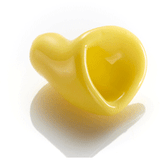




The first warning sign is usually not pain. It is the ringing after a track day, the muffled hearing on the drive home, or that moment in the pits when voices sound duller than they should. Motorsport hearing protection matters because noise damage does not always feel dramatic when it happens, but the effect can be permanent.
If you spend time around race cars, bikes, karts, drag strips or burnout events, you are around serious noise. Drivers, crew, marshals, photographers and spectators can all be exposed to levels that put hearing at risk. The right protection is not about shutting the world out. It is about reducing harmful sound to a safer level while still letting you function properly in a fast-moving environment.
Why motorsport noise is so damaging
Motorsport combines several types of noise exposure at once. There is engine noise, exhaust note, tyre noise, wind buffeting, power tools in the paddock, PA systems, and repeated bursts from starts, revs and fly-bys. That mix is what catches people out. Even if each moment feels manageable, the total exposure across a race meeting can be significant.
The other issue is duration. A quick pass down the straight is one thing. Spending a full day in pit lane, on the grid, in the workshop or near barriers is another. Hearing damage is linked to both how loud the sound is and how long you are exposed to it. Tinnitus, sound sensitivity and gradual hearing loss can build over time, and once hearing is damaged, it does not recover.
For many people, disposable foam plugs are the first thing they try. They are better than nothing when inserted correctly, but that last part matters. Poor fit is common, especially when people are rushing, wearing helmets, taking them in and out, or reusing them longer than they should. In motorsport, where comfort, communication and consistency matter, generic foam often becomes a compromise rather than a solution.
What good motorsport hearing protection should do
The best hearing protection for motorsport is not simply the product with the highest number on the packet. Strong attenuation can be useful, but only if it matches the environment and the user can wear it properly for hours. Over-blocking can also create problems if you cannot hear instructions, radio, warning calls or nearby movement clearly enough.
Good protection should fit securely, stay comfortable under a helmet or headset, and reduce fatigue across a long day. It should also make sense for the role. A spectator standing near a fence has different needs from a mechanic in pit lane or a rider dealing with both engine noise and wind noise. In some settings, you need broad noise reduction. In others, filtered protection that lowers volume more evenly can make speech and environmental sound easier to manage.
That is why application-specific products make more sense than one-size-fits-all buying. The environment should decide the solution.
Custom vs universal motorsport hearing protection
This is where the trade-off becomes practical. Universal reusable earplugs can be a strong choice for occasional events, entry-level users or anyone who wants a better option than disposable foam. They are easy to carry, more durable than single-use plugs, and often provide more consistent insertion once you know how to fit them.
Custom-moulded earplugs are a different category. They are made to the exact shape of your ears, which improves comfort, seal and long-wear reliability. For regular track users, crew, officials, riders and anyone exposed to repeated high noise, custom protection is often the smarter long-term investment. A secure custom fit is less likely to shift during movement, less irritating over long sessions, and more practical when you need repeatable protection every time.
There is also a communication benefit. Better fit and appropriate filtering can help reduce the harshness of motorsport noise without making everything sound unusably dead. That matters if you still need situational awareness. It also matters for people who stop wearing protection because generic plugs feel blocked, bulky or uncomfortable.
When filtered earplugs make more sense
Not every motorsport environment calls for maximum isolation. In many cases, filtered earplugs are the better option because they reduce sound more evenly across frequencies. That can preserve clarity better than basic plugs that simply muffle everything.
For pit crews, venue staff, event workers and regular attendees, filtered protection can make conversations easier while still lowering the dangerous edge of high noise. For riders and helmet users, the right solution may also help reduce wind roar, which is one of the most fatiguing and underestimated sources of hearing stress on the road and track.
It depends on the task. If you need to hear speech, instructions or audio systems accurately, the filter choice matters. If the priority is simple high-level reduction in a consistently loud environment, a different style may suit better. The key is not guessing.
Comfort is not a luxury
A lot of hearing protection fails for one simple reason - people stop wearing it. If earplugs create pressure points under a helmet, work loose when you sweat, or make the day feel harder, they get removed. Once that happens, protection drops to zero.
Comfort is a safety issue. The more comfortable the product, the more likely it is to stay in place across practice, qualifying, race sessions and pack-down. Custom-moulded options generally perform well here because they are shaped for the ear rather than forcing the ear to adapt to them.
That comfort also supports consistency. If you know your protection fits and feels right, you are more likely to use it every time, not just when the noise feels unbearable.
Who needs motorsport hearing protection most
The obvious group is drivers and riders, but they are not the only people at risk. Mechanics, tyre crews, grid staff, commentators, camera operators, officials, recovery teams and regular event spectators can all accumulate damaging exposure. Kids attending motorsport events also need properly considered hearing protection, not scaled-down assumptions.
Then there are people already managing tinnitus or hearing sensitivity. For them, motorsport can be particularly difficult. The wrong product may not be enough, while an unsuitable product may feel isolating or distressing. A more tailored approach makes a real difference.
This is where specialist advice matters. A product that works brilliantly for music venues or industrial workshops may not be the best option beside a race track or under a helmet.
Choosing the right level of protection
The right amount of attenuation depends on where you are, how long you are there, and what you still need to hear. More is not automatically better. The goal is to reduce hazardous noise exposure to a safer level without creating unnecessary communication or awareness problems.
That is also why standards and product quality should not be treated as optional. Certified hearing protection gives you a clearer basis for decision-making than vague claims or cheap imports with little technical confidence behind them. If you are buying for a team, venue workforce or event operation, compliance matters even more.
For individual users, durability should also be part of the decision. Reusable and custom solutions can offer better value over time than cycling through disposable options, especially for people who attend events regularly. They are also a more sustainable choice, which matters when single-use foam plugs quickly become recurring waste.
Care and fit still matter
Even excellent earplugs only work properly when they are worn properly. Reusable hearing protection should be kept clean, stored safely and checked for wear. If the fit changes, the seal feels unreliable, or the product has hardened or deteriorated, it may not be performing as intended.
Custom products need care too, but they are designed for long-term use when maintained correctly. That long service life is one reason many regular motorsport users move towards custom protection after trying temporary options.
If you are wearing a helmet, test your earplugs with the full setup rather than judging them in isolation. Helmet pressure, strap movement and repeated removal can change how a product behaves. What feels fine in the garage may be irritating after three sessions on track.
A smarter way to buy motorsport hearing protection
The easiest mistake is buying based on price alone. The better approach is to start with exposure, role and fit. Ask where the noise is coming from, how often you are around it, whether you need clear communication, and whether you are wearing a helmet or headset. Those answers narrow the field quickly.
For occasional spectators, a quality reusable option may be enough. For frequent riders, drivers, crew and staff, custom-moulded hearing protection is often the more dependable answer. For organisations and teams, the right pathway may include fit advice, product matching and support that goes beyond a simple online checkout. That is where a specialist provider such as Hearsafe Australia can be useful, especially when comfort, certified performance and long-term wear are part of the brief.
Hearing damage from motorsport is preventable, but only if protection is good enough to wear every time and smart enough for the job at hand. If the noise is part of your weekend, your work or your lifestyle, protecting your hearing is not over-cautious - it is what lets you keep enjoying the sound of the sport without paying for it later.
