

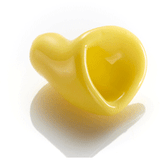




A foam plug that works for one shift but hurts after an hour is unlikely to stay in for the whole day. That is where the question, do custom earplugs work, becomes more useful than simply asking whether they block noise. Good hearing protection only protects you while it is correctly worn. For many Australians, custom earplugs solve the comfort, fit and communication problems that cause generic plugs to end up in a drawer.
They are not a magic solution for every noisy situation. The right result depends on the earplug design, the noise level, how the plug is fitted and whether it suits the job or activity. But when they are professionally made and selected for the environment, custom earplugs can provide reliable protection that people are far more likely to wear consistently.
How custom earplugs reduce harmful noise
Custom earplugs are made from impressions of your ears. The finished plugs follow the shape of your ear canal and outer ear, creating a secure seal without needing to be rolled, pushed deeply or repeatedly adjusted like disposable foam plugs.
That seal matters. Sound can leak around an earplug that is too small, poorly inserted or displaced by movement. Even a small gap can substantially reduce the protection achieved in real life. A custom-moulded plug is designed to sit in the same position each time, helping reduce that risk.
The material and filter also determine how much sound reaches the ear. Some plugs use a solid design for maximum practical noise reduction, while filtered models reduce sound more evenly. Musicians, DJs, venue staff and people who need to communicate on site often prefer filters because music and speech can remain clearer than they do with basic foam plugs.
The goal is not always silence. It is reducing sound exposure to a safer level while allowing you to do the task properly. At a gig, that may mean hearing the mix without the painful edge. On a worksite, it may mean reducing machinery noise while still being able to communicate with your team. On a motorbike, it can mean taking the harshness out of wind noise without making you feel cut off from the road.
Do custom earplugs work better than foam earplugs?
They can, particularly where comfort, repeatable fit and regular use are the deciding factors. Foam earplugs can offer high rated attenuation when they are the right size and inserted exactly as instructed. They remain a practical, low-cost option for short-term use, visitors and situations where a plug may become dirty or lost.
The trade-off is that foam plugs are easy to fit incorrectly. They need to be compressed, inserted deeply enough and held in place while they expand. In dusty, oily or high-paced workplaces, that process is not always realistic. They can also feel bulky, create pressure, or loosen with jaw movement and sweat.
Custom plugs cost more upfront, but they are reusable and built for the wearer’s ears. For someone wearing hearing protection every day, at weekly rehearsals or on every ride, that can make the investment worthwhile. A well-maintained pair can last for years, reducing the ongoing waste and replacement cost of disposable plugs.
That does not mean every custom plug is automatically better for every purpose. A solid custom plug designed for a shooting range may make conversation difficult. A low-level music filter may not be suitable for high-noise plant equipment. Protection must match the exposure, not just the preference for a particular style.
Fit is the difference most people notice
The most immediate benefit of custom earplugs is usually comfort. Ears are not identical, and a one-size product must compromise somewhere. Custom plugs are shaped around the bends and contours of your ear, so they are less likely to pinch, fall out or create the pressure points that make long shifts frustrating.
A stable fit is especially valuable for tradies wearing other PPE, musicians moving under stage lights, riders wearing a helmet, and side sleepers trying to manage overnight noise. If earplugs are uncomfortable, people often remove them before the noisy period is over. That is precisely when cumulative sound exposure can become a problem.
Hearing damage is permanent. Repeated exposure to loud tools, engines, amplified music or industrial equipment can contribute to noise-induced hearing loss and tinnitus over time. You may not notice the impact after one noisy day, but the ear does not reset after every shift, festival or long ride.
Custom fitting also gives you an opportunity to discuss the environment you are protecting against. An ear impression appointment is not simply about making a plug that feels good. It helps identify whether you need a certified industrial option, a particular filter level, a water-sealing design for swimming, or softer material for sleep and sensory sensitivity.
Choose the filter for the job, not the loudest option
More attenuation is not always the best answer. The correct level is enough protection for the noise exposure without unnecessarily limiting awareness and communication. This is why application-specific earplugs matter.
For industrial workplaces, the selected product should be appropriate for the measured or expected noise level and the organisation’s safety requirements. Safety managers should consider the broader hearing conservation plan, including noise assessments, training, fit, maintenance and replacement procedures. Look for products with relevant Australian Standards certification or compliance information for the intended use, rather than relying on broad marketing claims.
For music, filtered custom earplugs are often the better choice because they aim to lower volume while preserving a more natural sound balance. A drummer may need a different filter level from a front-of-house engineer, and both may need something different from a casual concertgoer.
For sleep, the focus is comfort and a secure passive seal. Soft custom sleep plugs can reduce neighbourhood traffic, snoring and household noise, although no earplug can guarantee silence. If snoring is severe or sleep disruption is ongoing, it is sensible to address the source as well as protecting your ears.
For riding, wind noise is often the main concern, particularly at highway speeds. A low-profile custom plug that fits comfortably under a helmet can make longer rides less fatiguing. For swimming and water sports, a watertight custom mould can help keep water out of the ear canal, but it is not a substitute for medical advice if you have grommets, an ear infection or a perforated eardrum.
What custom earplugs cannot do
Custom earplugs reduce sound. They do not make a hazardous environment safe by themselves. In a workplace, noise control should begin with eliminating, isolating or reducing the noise where possible, then using hearing protection as part of the required controls.
They also cannot compensate for an unsuitable filter or an incomplete seal. Ear shapes can change over time, particularly after dental work, weight changes or certain ear conditions. If a plug starts feeling loose, uncomfortable or noticeably less effective, have the fit checked rather than assuming it is still providing the same protection.
Communication remains a real consideration. Even high-quality filtered plugs change the way you hear. In an emergency-response role, around moving vehicles or when receiving critical instructions, assess whether the chosen protection allows safe communication. Some settings require additional systems or procedures, not just a different earplug.
Finally, custom plugs require care. Clean them as directed, store them in their case, and inspect them for cracks, hardening or damaged filters. A reusable product earns its value through regular use and sensible maintenance.
Are custom earplugs worth it?
Custom earplugs tend to be worth it when noise is a regular part of your work, recreation or rest. They are particularly useful for people who have tried foam or universal reusable plugs and found them uncomfortable, unreliable or too muffled. They can also be a practical option for NDIS participants managing sensory sensitivity, where predictable fit and controlled sound reduction can make everyday environments more manageable.
The best purchase is not necessarily the most expensive plug. It is the one that fits correctly, provides suitable attenuation for your real exposure and is comfortable enough that you will wear it every time. Hearsafe Australia can help match custom protection to the conditions you actually face, whether that is a noisy workshop, a weekend gig, a long ride or a bedroom that never seems quiet enough.
Your hearing has no replacement parts. If noise is regularly leaving your ears ringing, speech sounding dull, or your head feeling exhausted, treat that as a prompt to choose protection you can genuinely live with.
