

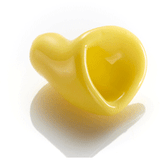




A great gig should leave you with a favourite chorus stuck in your head, not ringing ears that follow you home. Knowing how to protect hearing at concerts means you can stay close to the music, enjoy the atmosphere and reduce your risk of permanent noise-induced hearing damage.
Live music is loud by design. Drums, amplifiers, PA systems and crowd noise can quickly push sound levels beyond what your ears can safely handle for an entire set. The risk is not limited to people at the barricade, either. Venue staff, musicians, DJs and regular gig-goers can all accumulate harmful noise exposure over time.
The good news is that protecting your hearing does not mean experiencing a flat, muffled version of the show. The right protection reduces volume while helping music remain clear, balanced and enjoyable.
Why concerts can damage hearing
Sound is measured in decibels (dB), and decibels rise on a logarithmic scale. That means a small increase in the number represents a significant jump in sound energy. As noise gets louder, the amount of safe exposure time drops sharply.
Many concerts sit around 95 to 110 dB, and levels can be higher near speakers, side fills or the front-of-house system. At these levels, unprotected exposure can become risky well before the encore. You may not feel pain while the music is playing, but the delicate sensory cells in the inner ear can still be under stress.
Those cells do not regenerate. Repeated exposure may contribute to permanent hearing loss, tinnitus - ringing, buzzing or hissing in the ears - and increased difficulty following conversations in busy places. A temporary muffled feeling after a show is not something to brush off. It is a sign your ears have been overworked.
How to protect hearing at concerts without missing the music
The most effective step is simple: wear properly fitted earplugs from the moment the support act begins. Waiting until the headline set, or until your ears start ringing, means you have already spent time exposed to high sound levels.
For music, choose earplugs designed to reduce noise evenly across frequencies. These are often called filtered, high-fidelity or musician earplugs. Rather than blocking sound indiscriminately, they lower the overall level while retaining more detail in vocals, instruments and speech than basic foam plugs.
This matters at a concert. You want less volume, not less music.
Choose protection that suits the way you attend gigs
Disposable foam earplugs are affordable and widely available, and they can provide strong attenuation when inserted correctly. They are a practical backup for an unexpected loud night out. Their trade-off is fit and sound quality. Many people do not roll and insert foam plugs deeply enough, which reduces their protection, and they can make music sound dull or muddy.
Reusable filtered earplugs are often a better choice for regular concert-goers. They are designed for comfort over several hours and can make it easier to enjoy a set while still talking to friends between songs. Look for a size and tip style that seals comfortably in your ear canal. If a plug works loose, feels painful or creates obvious gaps, it is not doing its job properly.
Custom-moulded musician earplugs offer the most personalised option. Made from impressions of your ears, they provide a secure fit and can use interchangeable filters for different environments. A lower filter may suit rehearsals or acoustic venues, while higher attenuation can be appropriate for amplified shows, drumming, DJ work or stage monitoring. For people who attend concerts often, work in venues or perform regularly, custom protection can be a long-term investment in comfort, consistency and hearing health.
Put earplugs in before the room gets loud
Fit is as important as the earplug itself. Reusable plugs should sit securely according to the manufacturer’s instructions, without being forced uncomfortably deep. Foam plugs need to be rolled into a narrow cylinder with clean fingers, inserted while pulling the outer ear gently up and back, then held in place as the foam expands.
Once fitted, the sound should become noticeably quieter but not disappear. Your own voice may sound different at first, which is normal. Give yourself a few minutes to adjust before deciding that earplugs are not for you. Most people find that a quality music filter allows them to settle into the mix quickly, particularly when compared with the fatigue of listening unprotected.
Keep a clean reusable pair in your bag, jacket pocket or glovebox. The best hearing protection is the pair you actually have with you when plans change from a quiet drink to a packed band room.
Manage where you stand and how long you stay
Earplugs are your main defence, but your position in the venue still matters. Avoid standing directly in front of a speaker stack or beside stage monitors for an extended period. Moving even a few metres away from the source can make a meaningful difference to your exposure while still giving you an excellent view and sound experience.
If you are at a festival or a multi-band event, use set changes as a chance to step into a quieter area. Short breaks reduce your total exposure and give your ears some recovery time. This is especially worthwhile when you are attending several days in a row, working a shift at a venue or spending a long night near a dance floor.
Do not rely on distance alone. Larger venues can be loud throughout the room, and reflected sound from walls and ceilings can raise overall levels. Wearing earplugs remains the sensible choice wherever you stand.
Be extra careful with alcohol and fatigue
After a few drinks, people are more likely to forget their earplugs, remove them because they feel unfamiliar or move closer to the speakers without thinking about the consequences. Alcohol also makes it harder to judge just how loud an environment has become.
Make hearing protection part of your concert routine, like checking your ticket, charging your mobile and organising a safe way home. Put your earplugs in before you enter the main room and leave them in until you are away from the noise.
Fatigue can also affect your choices. At the end of a long festival day, it may be tempting to take protection out because your ears feel blocked or you want to chat more easily. Instead, move to a quieter space for a break. Protection should make the event sustainable, not become another reason to push through discomfort.
Look after children and young people at live music
Children’s ears are not simply smaller versions of adult ears. They may be more vulnerable to loud sound, and they often cannot explain when noise feels uncomfortable. Children attending concerts, sporting events, fireworks displays or festivals should wear hearing protection that fits correctly and is appropriate for their age.
Avoid assuming earmuffs are only for very young children and earplugs are only for adults. The right option depends on fit, comfort, the child’s ability to keep the protection in place and the event environment. For some children, well-fitted earmuffs are the most reliable choice. For older children and teenagers, reusable filtered earplugs may be more practical and less conspicuous.
What to do if your ears ring after a concert
Ringing, muffled hearing or sound sensitivity after a loud show can occur after excessive noise exposure. Give your ears a break by avoiding further loud sound, including loud headphones, power tools and high-volume car audio. Do not try to “clear” muffled ears by turning music up.
If symptoms are severe, affect one ear, come with dizziness or pain, or do not settle promptly, seek advice from a qualified health professional or audiologist. Sudden changes in hearing should be assessed urgently. If tinnitus is ongoing or noise sensitivity is affecting work, sleep or everyday life, an audiology appointment can help identify appropriate next steps.
Make concert protection a habit, not an afterthought
There is no single earplug that suits every person and every venue. The right choice depends on how often you attend gigs, whether you need to communicate for work, your comfort preferences and the sound levels you expect to face. What matters is choosing protection you will wear consistently.
Hearsafe Australia can help concert-goers, musicians and venue teams select reusable or custom hearing protection suited to live music, including options for people who need a dependable fit for long sets.
Your hearing is part of every future playlist, conversation and live encore. Put your earplugs in early, keep them in, and let the music be memorable for the right reasons.
