



One noisy shift rarely feels dramatic. That is part of the problem. The importance of hearing protection in the workplace often gets overlooked because hearing damage usually builds slowly, over months and years, until conversation gets harder, tinnitus starts, or a worker realises the ringing after knock-off is no longer going away.
For many Australian workers, noise is simply treated as part of the job. Saws, grinders, compressors, diesel engines, impact tools, factory lines, aviation equipment and amplified venue sound all create exposure that can exceed safe limits. Once hearing is damaged, it does not grow back. That makes prevention the only sensible strategy.
Why the importance of hearing protection in the workplace is often underestimated
The risk with noise is that it does not always feel urgent. A cut, burn or crush injury is immediate. Hearing loss is quieter than that. It can start with fatigue at the end of the day, trouble following speech in busy rooms, or a faint ringing that seems manageable. Because the change is gradual, workers often adapt without noticing how much they have lost.
There is also a common belief that hearing protection is only needed in extreme environments. In reality, many workplaces expose people to harmful noise well before it feels unbearable. A metal workshop, construction site, warehouse, mine site, music venue or transport setting can all create repeated exposure that places hearing at risk.
Another reason it gets ignored is poor fit. If earplugs are uncomfortable, workers remove them. If earmuffs interfere with other PPE, they get pushed aside. Compliance problems are often treated like attitude issues when the real problem is that the protection does not suit the task, the wearer or the environment.
Hearing damage is permanent, and it affects more than hearing
The most obvious consequence of workplace noise is noise-induced hearing loss, but that is not the whole story. Ongoing exposure can also contribute to tinnitus, sound sensitivity and listening fatigue. Workers may find it harder to understand speech, especially where there is background noise. That matters on site, on the road, in control rooms and anywhere verbal communication supports safety.
Hearing strain also has a flow-on effect. When someone is constantly working in high noise, concentration drops faster. Misunderstandings become more common. End-of-day fatigue can feel worse, even if the person has done the same physical work they always do.
For employers, this is not just a health issue. It is a productivity and risk issue. Workers who cannot hear instructions clearly, localise warning signals or communicate efficiently are more exposed to errors. Good hearing protection should reduce harmful sound without cutting the worker off from the job.
Compliance matters, but comfort and fit decide what actually gets worn
Most businesses understand they have obligations around workplace safety. Noise assessments, exposure controls and suitable hearing protection all matter. But simply handing out disposable foam plugs does not solve the problem.
Protection only works when it is worn correctly and consistently. That sounds straightforward, yet it is where many workplaces fall short. Foam plugs can be effective in the right context, but they depend heavily on proper insertion, hygiene and regular replacement. In dusty, hot or fast-paced environments, that can be harder than it looks.
Reusable and custom-moulded options are often a better long-term fit for workers who need hearing protection every day. They are easier to wear consistently, more comfortable over long shifts and less likely to be inserted incorrectly. That can improve real-world protection, not just theoretical ratings on packaging.
There is also a commercial reality here. Cheap protection can become expensive if workers avoid it, lose it or replace it constantly. A better-fit solution often lasts longer, creates less rubbish and supports stronger compliance across the team.
Choosing the right workplace hearing protection
Not all hearing protection is built for the same conditions. A cabinetmaker using power tools, a FIFO worker on a processing site, a drummer playing multiple sets and a venue staff member on the floor may all need noise reduction, but not in the same way.
In industrial settings, the main goal is usually reducing harmful exposure while allowing the wearer to stay comfortable through a full shift. For some workers, earmuffs are practical and easy to monitor visually. For others, especially where helmets, eyewear or tight spaces are involved, low-profile earplugs may be the better option.
Where communication matters, over-attenuation can create problems. If hearing protection blocks too much sound, workers may remove it to talk or listen for cues. That is why application-specific solutions matter. The best result is not always the highest possible attenuation. It is the right level of certified protection for the actual noise environment.
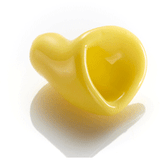
Custom-moulded earplugs are especially useful where workers need dependable fit, repeat use and comfort over long periods. They are shaped to the individual ear, which helps them seal properly and stay comfortable. In the right workplace, that can make a major difference to wear time and acceptance.
The importance of hearing protection in the workplace for communication and safety
Some people hesitate to wear hearing protection because they worry it will stop them hearing what matters. That concern is understandable, but it usually points to a poor product choice rather than a reason to go without protection.
Modern hearing protection can be designed to reduce damaging noise while still supporting speech audibility and situational awareness. That is particularly important in industries where workers need to hear instructions, alarms, machinery changes or approaching vehicles.
This is where generic one-size-fits-all products often fall short. If a plug is uncomfortable, inconsistent or too muffling, workers start making choices that increase risk. They might wear one plug instead of two, pull them out to speak, or skip them altogether for quick tasks. Those small decisions add up.
A well-selected hearing protection program should account for the job itself, the noise profile, the PPE already in use and the people expected to wear it. Safety managers know that practical adoption is what matters. The right protection is the one workers will actually keep in place.
Why a workplace assessment is worth it
It is tempting to standardise hearing protection across a whole site for the sake of simplicity. Sometimes that works. Often, it does not. Different roles can involve very different noise exposure, communication needs and comfort requirements.
A workplace assessment helps remove guesswork. It gives employers a clearer picture of where the highest risks are, what level of attenuation is needed and which type of protection suits each task. That leads to better purchasing decisions and fewer problems with non-compliance later.
It also helps businesses avoid false confidence. A product may be certified and high quality, but if it is wrong for the user or the task, it still may not protect properly in practice. Matching the solution to the environment is where real value sits.
For organisations with larger teams, this can also support consistency in training, fitting and replacement schedules. Workers are more likely to take hearing protection seriously when the program feels considered rather than token.
Long-term value goes beyond the unit price
When businesses compare hearing protection options, price per pair often gets too much attention. What matters more is whole-of-life value. How long will the product last? Will workers wear it properly? Does it reduce waste? Does it support comfort, hygiene and communication?
Disposable plugs still have their place, particularly for visitors or occasional use. But for regular exposure, reusable and custom options can offer stronger value over time. They tend to produce less waste, reduce ongoing replacement costs and improve user acceptance.
That makes hearing protection a worthwhile investment, not just a compliance purchase. It protects workers from irreversible harm while helping employers manage safety, productivity and operational consistency.
For businesses serious about preventing hearing loss, and for workers who want to protect the hearing they rely on every day, the best time to act is before the ringing becomes normal. Hearsafe Australia works with individuals and workplaces across Australia to help match certified hearing protection to real noise environments, because prevention only works when the solution fits the job.
