



A grinder kicks off at 7 am, the compressor is already running, and by smoko you've spent hours raising your voice just to be heard. That is exactly when the question matters most: what is the best hearing protection for industrial work? Not the cheapest option in a box by the crib room door, but the protection people will actually wear properly, for a full shift, in real noise.
Industrial hearing protection is rarely one-size-fits-all. A boilermaker working around sustained high noise has different needs from a warehouse worker exposed to intermittent machinery, and both have different requirements again from a site supervisor who still needs to hear instructions clearly. The right choice comes down to noise level, duration, communication needs, comfort, compatibility with other PPE, and whether your team will realistically keep using it day after day.
What makes the best hearing protection for industrial work?
The best option is the one that delivers adequate protection without creating new problems. If earplugs are so uncomfortable that workers keep pulling them out, or earmuffs clash with hard hats and safety glasses, protection on paper means very little on site.
This is where many workplaces get caught. They focus on the stated attenuation number and ignore wearability. More reduction is not always better if it leads to isolation, poor communication, or inconsistent use. Overprotection can be an issue in some environments, especially where workers still need to hear alarms, warning signals, reversing vehicles, or verbal instructions.
A better way to assess hearing protection is to look at five practical factors: certified performance, correct fit, comfort across a full shift, suitability for the job, and consistency of use. If any one of those is missing, hearing conservation becomes much harder to manage.
Foam earplugs: cheap, common, and often misused
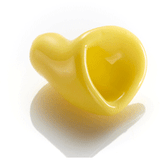
Disposable foam earplugs are widely used in industrial settings because they are inexpensive and easy to hand out in bulk. They can work well when inserted correctly, especially in high-noise areas where strong attenuation is needed.
The problem is fit. A surprisingly high number of workers do not roll and insert foam plugs deeply enough, which cuts their real-world protection well below the rated level. On dusty sites or in fast-paced environments, workers may also handle them with dirty hands, reuse single-use plugs, or remove them repeatedly through the day. That affects hygiene as well as performance.
For visitors, short-term contractors, or occasional use, foam plugs still have a place. But for full-time industrial workers, they are often more of a stopgap than a long-term solution.
Reusable earplugs: better value, better consistency
Reusable earplugs sit in a useful middle ground. They are more durable than disposables, easier to insert consistently for many users, and generally create less waste. For businesses trying to improve both compliance and sustainability, they can make a lot of sense.
They are particularly useful in workplaces where workers need hearing protection every day but may not be ready to move straight into custom-moulded products. A well-designed reusable plug can offer dependable attenuation, easier maintenance, and lower replacement frequency than foam.
That said, reusable plugs still rely on a good match between the product and the wearer. If the stem shape, flange design, or sizing is wrong, comfort drops off quickly. When that happens, workers start fiddling with them, removing them, or avoiding them altogether.
Custom-moulded earplugs: often the best long-term option
For many workers and employers, custom-moulded earplugs are the strongest answer when comfort, longevity, and reliable fit matter. They are made from impressions of the wearer’s ears, which means they sit more securely and comfortably than generic plugs. That matters over eight, ten, or twelve-hour shifts.
Custom protection is especially valuable for people who have struggled with standard earplugs, work in hearing protection every day, or need a solution that supports communication as well as noise reduction. A proper custom fit reduces pressure points and improves the chances that protection will actually stay in place.
There is also a commercial argument for custom options. While the upfront cost is higher, the long-term value can be much better than cycling through large volumes of disposable products. For businesses with stable teams, that can improve both cost efficiency and hearing protection outcomes over time.
Hearsafe Australia focuses heavily on this category for good reason. In industrial settings, a premium fit is not a luxury. It is often the difference between protection that sits in a pocket and protection that gets worn.
Earmuffs still matter, but they are not perfect
Earmuffs remain a solid choice in many industrial environments, particularly where workers need something quick to put on and remove, or where correct earplug insertion is a known issue. They are also useful for visitors and can be a strong option in very high-noise tasks.
But earmuffs come with trade-offs. They can feel hot in Australian conditions, become uncomfortable during long shifts, and interfere with other PPE. Safety glasses can break the seal. Hard hats can affect fit. In confined spaces or physically demanding tasks, earmuffs can simply be less practical than plugs.
That does not make them inferior. It just means selection should be task-based, not automatic.
When double protection is appropriate
In very high-noise environments, workers may need both earplugs and earmuffs. This approach, often called double protection, is common around impact noise, heavy fabrication, and certain plant operations.
Even here, more is not always better without proper assessment. Double protection can make communication much harder and may not be necessary across an entire site. It is usually best reserved for specific tasks or zones where noise levels justify it.
For safety managers, this is a reminder that hearing protection should be part of a broader noise control plan, not the only control. Engineering controls, isolation, maintenance, and administrative measures still matter.
Communication matters more than many sites realise
One reason hearing protection fails in practice is that workers need to hear more than noise. They need to hear instructions, radio traffic, warning signals, and each other. If protection blocks everything equally, some workers will remove it the moment communication becomes difficult.
This is where application-specific products stand out. Some custom and filtered hearing protectors are designed to reduce harmful noise while preserving more usable speech awareness than basic plugs. They are not right for every high-noise task, but in the right environment they can improve both safety and wear compliance.
If your site has regular complaints like "I can't hear anyone with these in", that is not a minor comfort issue. It is a selection issue.
Compliance is not just about handing out PPE
Australian workplaces need hearing protection that aligns with risk assessments, site conditions, and relevant standards. But compliance should not stop at procurement. Workers need products they can fit correctly, maintain properly, and wear consistently.
This is where many purchasing decisions go wrong. A bulk order may look cost-effective, but if half the workforce dislikes the fit or uses the product incorrectly, the site has saved money on paper and lost protection in reality.
A more effective approach is to match products to exposure profiles and worker needs. High-turnover sites may need a mix of disposable and reusable options. Established teams in constant noise may benefit from custom solutions and fit support. Supervisors and safety teams should be thinking in terms of practical suitability, not just unit price.
How to choose the right option for your site
Start with the actual noise environment. Continuous machine noise, sudden impact noise, and mixed-duty environments do not all suit the same product. Then look at the people wearing it. Are they in hearing protection all day? Do they wear other PPE? Do they need to communicate regularly? Have they had issues with discomfort or poor fit before?
After that, think about the lifespan of the solution. Disposable foam may suit temporary use. Reusable plugs can improve value and reduce waste. Custom-moulded protection is often the strongest long-term choice for regular industrial use, especially where comfort and reliable daily wear are non-negotiable.
Finally, do not underestimate education. Workers are more likely to wear hearing protection properly when they understand that noise-induced hearing loss is permanent. You do not get that hearing back later. There is no tougher sales pitch than tinnitus at night when the site has gone quiet.
The best hearing protection for industrial work is not the product with the biggest claim on the packet. It is the one that fits the job, fits the worker, and gets worn every time the noise starts. If you get that right, you are not just ticking a compliance box - you are protecting hearing people will rely on for the rest of their lives.