



A grinder kicks in, the compressor starts cycling, someone drops steel nearby, and by smoko your ears are still ringing. That ringing is exactly why wear hearing protection at work is not a box-ticking question. It is a health, safety and long-term quality-of-life issue. Once hearing is damaged, it does not grow back.
Most workers do not lose their hearing in one dramatic moment. It usually happens slowly, over months and years of exposure to noise that feels normal because it is part of the job. That is what makes workplace noise so easy to underestimate. If you work in construction, manufacturing, mining, aviation, warehousing, transport, entertainment, or any environment with loud tools, machinery, alarms or engines, hearing protection is part of doing the job properly.
Why wear hearing protection at work matters
Noise-induced hearing loss is permanent, and that is the first reason this matters. Your ears contain tiny hair cells that help convert sound into signals your brain can understand. Loud noise damages those cells. Repeated exposure damages more of them. There is no reset button.
The second reason is that hearing damage does not just affect hearing. It can also bring tinnitus, where you hear ringing, buzzing or hissing even when the room is quiet. For some people, tinnitus is mildly annoying. For others, it affects sleep, concentration and mental wellbeing. Workers who have spent years around impact tools, heavy vehicles, plant equipment or amplified sound often know this first-hand.
Then there is the safety side. Good hearing protection should reduce harmful noise without cutting you off from your surroundings more than necessary. That matters because fatigue, distraction and overexposure can all affect awareness on site. The right protection helps manage the noise load so people can stay focused for longer.
Loud enough to harm does not always feel painfully loud
One of the biggest misconceptions about workplace noise is that if it is not painful, it is probably fine. That is not how hearing damage works. Plenty of harmful noise levels feel tolerable, especially when you are used to them.
In Australia, workplace noise regulations and exposure limits are there for a reason. If staff have to raise their voice to talk to someone about a metre away, the environment may already be too loud. Power tools, saws, pressurised air, industrial fans, fabrication equipment and even sustained music in venues can push exposure into risky territory.
It also depends on duration. A brief loud burst and eight hours of steady high noise are different problems, but both can damage hearing. That is why one-size-fits-all protection often falls short. The goal is not simply blocking as much sound as possible. The goal is reducing exposure to a safer level while still matching the job.
Hearing protection is not just for heavy industry
When people think of hearing protection, they often picture a mine site or demolition crew. But many workplaces outside traditional industry carry real risk. Hospitality staff working near amplified music, childcare workers exposed to sustained high noise, airport ground crew, motorsport teams, agricultural workers, factory staff, and musicians all face different kinds of sound exposure.
Office environments can also create strain, even if the issue is not classic industrial hearing loss. For people with sensory sensitivity, tinnitus, or concentration challenges, noise reduction can support comfort and function at work. That does not mean every office needs industrial earplugs. It means hearing protection should match the actual environment and the person using it.
Why workers often avoid wearing it
Most resistance comes down to comfort, communication and convenience. Foam plugs can feel intrusive, disposable options can fit poorly, and overprotecting can make it harder to hear instructions or warnings. If something is uncomfortable after an hour, people stop wearing it properly. If it makes the job harder, compliance drops.
That is where better product selection matters. A hearing protector that suits one worker may be wrong for another. Someone operating machinery in a fixed environment may need a different attenuation level from a venue technician who still needs accurate sound, or a tradie moving between noisy and quieter tasks. The protection has to fit the work, not just the rule.
The difference between wearing protection and wearing the right protection
This is where the conversation gets more practical. Wearing any hearing protection is usually better than wearing none, but poor fit can drastically reduce real-world performance. Disposable plugs are often inserted incorrectly, which means the protection on paper is not what the worker actually gets on site.
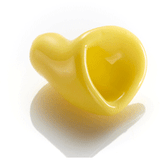
Custom-moulded earplugs offer a stronger long-term solution for many workers because they are made to the individual ear. That usually means better comfort, more consistent fit and greater likelihood that they will actually be worn. Reusable hearing protection also reduces waste compared with endless pairs of foam plugs going into the bin.
There is a cost trade-off, of course. Disposable products are cheaper upfront. But for businesses buying repeatedly, and for workers who need protection every day, durable reusable or custom options often make better financial sense over time. More importantly, they support consistent use, which is what protects hearing in the real world.
Why wear hearing protection at work if you still need to communicate?
Because the right protection is designed around that exact problem. Not all earplugs are made to shut out everything. Some are built to reduce harmful noise while preserving speech clarity or maintaining a more natural sound balance. That can be especially useful in manufacturing, events, music, workshops and other environments where hearing instructions matters.
This is also why simply choosing the highest possible rating is not always the best move. Too much attenuation can create frustration, isolation and lower compliance. Too little leaves workers exposed. The right level depends on measured noise exposure, task requirements and whether the worker needs to hear speech, alarms or environmental cues clearly.
For employers, this is not just a comfort issue. It is a practical safety and compliance issue. If staff are constantly removing protection to talk, they are not truly protected.
Compliance matters, but prevention matters more
Yes, hearing protection helps workplaces meet obligations around noise management. Yes, certified products and proper risk assessment matter. But treating hearing protection as a compliance exercise alone misses the point.
The real issue is preserving hearing for life outside work as well. Workers do not leave their ears at the gate. The damage that starts on the job follows them home - into family conversations, social settings, sleep, mental load and retirement. Missing parts of speech, struggling in busy pubs, turning the telly up louder, or living with constant ringing can all trace back to years of underprotected noise exposure.
That is why early action matters. Waiting until hearing changes are obvious is too late.
Choosing protection that people will actually use
The best hearing protection is the protection someone can wear consistently and correctly. That means looking at fit, comfort, attenuation, hygiene, durability and the demands of the role.
For some teams, earmuffs are appropriate, especially where they need to be put on and taken off quickly. For others, reusable earplugs are more practical in hot conditions or under helmets and other PPE. In high-use settings, custom options can make a substantial difference to day-to-day wearability.
It also helps to involve workers in the process. People are more likely to wear hearing protection when they understand the risk and when the solution reflects the reality of their job. A generic issue-from-stores approach may satisfy procurement, but it does not always solve the problem on site.
For workplaces with mixed roles or varying exposure levels, professional guidance can help identify the most suitable option. That might include product selection, fit support, hearing education, or a broader assessment of workplace noise. For many Australian businesses, that is the difference between nominal compliance and meaningful protection.
Hearsafe Australia works with both individuals and organisations on this exact issue, particularly where standard disposable options are not delivering comfort, communication or long-term value.
Hearing protection is an investment, not an inconvenience
It is easy to delay replacing old plugs, settle for whatever is in the toolbox, or assume your ears will be right because you have worked like this for years. But hearing damage is cumulative, and familiarity with noise is not protection from it.
Wearing proper hearing protection at work protects more than your hearing test results. It protects your ability to follow conversation, enjoy music, notice detail in everyday sound, and get through the day without the stress of ringing ears or noise fatigue. For employers, it supports safer workplaces, better compliance and a stronger duty of care. For workers, it protects something you cannot afford to replace.
If your workplace is loud enough that you notice it at the end of the shift, your ears already are. That is the moment to treat hearing protection as essential, not optional.
