

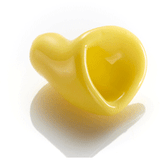




A gunshot doesn’t give you a second chance. One unprotected round at the range or in the field can leave your ears ringing for hours, and repeated exposure can do far more than that. That’s why choosing the right shooting hearing protection earplugs matters - not as an accessory, but as part of your essential kit.
For shooters, hearing protection has to do two jobs at once. It needs to reduce dangerous peak noise, but it also has to stay comfortable, fit properly, and let you function safely in the environment you’re in. If your plugs hurt, slip loose, block too much, or make it hard to hear range commands, they often end up half-worn or pulled out at the wrong time. That is where problems start.
Why shooting noise is different
Shooting noise is not like steady workshop noise, road noise or a loud pub. It is impulsive noise - sharp, sudden, and intense. That matters because the ear is especially vulnerable to these fast, high-level peaks.
A centre-fire rifle, shotgun or handgun can produce sound levels well above what the ear can safely handle. Even outdoor shooting can be risky, and indoor ranges often make the problem worse because sound reflects off hard surfaces. Short sessions can still add up, especially if you shoot regularly, stand near other shooters, or use firearms with muzzle brakes or shorter barrels.
The trouble with hearing damage is that it often arrives quietly. You might notice muffled hearing after a session, ringing in the ears, or needing people to repeat themselves later on. Sometimes those signs settle down. Sometimes they do not. Tinnitus and noise-induced hearing loss can be permanent, which is why prevention is the smart move.
What good shooting hearing protection earplugs should do
The best earplugs for shooting are not simply the ones with the biggest number on the packet. Noise reduction matters, but real-world performance depends on fit, seal, comfort and how the plugs work in your actual shooting conditions.
A well-chosen pair should create a reliable seal every time you wear them. They should be comfortable enough for long sessions and stable enough not to shift when you shoulder a rifle, move your jaw, wear glasses, or add other gear. For many shooters, low-profile earplugs are a practical advantage because bulky earmuffs can break cheek weld or interfere with stock position.
There is also a usability side to it. Some shooters want the highest possible attenuation, particularly indoors or around larger calibres. Others need to hear instructions, conversation or environmental cues more clearly. That is where the right product type becomes important.
Foam, filtered and custom options
Disposable foam plugs are common because they are cheap and easy to find. When inserted properly, they can offer strong protection. The catch is that many people do not insert them properly. A poor insertion can reduce their effectiveness dramatically, and comfort can vary a lot from person to person. They are also easy to lose, easy to reuse for too long, and not ideal if you want a durable long-term solution.
Filtered shooting earplugs are designed with a more specific use in mind. Depending on the design, they may help manage high-impact noise while keeping speech or ambient sound more usable than standard foam plugs. This can make a real difference on a range where communication and situational awareness matter. That said, not all filtered plugs perform the same way, and suitability depends on the firearm, the setting, and whether you are shooting indoors or outdoors.
Custom-moulded earplugs are often the step up for shooters who want consistency, comfort and a secure fit. Because they are made to the shape of your ears, they are less likely to loosen during wear and more likely to be worn correctly in the first place. For regular shooters, that can make them a better long-term investment than cycling through disposable options that never fit quite right.
Fit is everything
You can buy a highly rated earplug and still end up under-protected if the fit is wrong. That is one of the biggest misconceptions in hearing protection. The product is only as good as the seal you get in your ear.
With foam plugs, proper insertion takes a bit of technique. They need to be rolled down, inserted deeply enough, and held in place while they expand. If most of the plug is still sticking out, chances are the seal is not doing what you think it is.
With reusable or filtered plugs, sizing matters. Too small and they leak sound. Too large and they become uncomfortable, which usually means they get removed too soon. Custom-moulded plugs reduce that guesswork, which is a big reason many experienced shooters prefer them.
If you regularly finish a session with sore ear canals, ringing ears or plugs that keep backing out, it is worth reassessing your setup. Discomfort is not just annoying - it often leads to poor compliance, and poor compliance is where hearing damage slips in.
When double protection makes sense
There are situations where earplugs alone may not be enough. Indoor ranges, high-volume sessions, larger calibres, nearby shooters, and instructor environments can all increase exposure. In those cases, double protection - earplugs plus earmuffs - is often the safer call.
This is especially relevant for range staff, competition settings, and anyone spending extended periods around repeated gunfire. The goal is not to overcomplicate things. It is to match protection to the actual risk. If your environment is harsher, your hearing protection should be stronger.
There is a trade-off, of course. Doubling up can affect comfort, heat and communication. But for many shooters, that trade-off is worth it, particularly when noise levels are consistently high.
How to choose earplugs for your shooting setup
Shooting hearing protection earplugs for different conditions
Start with where you shoot most often. Outdoor recreational shooting usually has different demands from indoor range use. Hunting brings movement, weather and awareness into the picture. Clay target shooting may involve repeated firing over a long session. Pistol ranges, rifle benches and tactical training all come with their own noise profile and practical constraints.
Then think about frequency. If you shoot once or twice a year, a well-fitted disposable or reusable option may be enough. If you shoot monthly or more, or wear hearing protection for long stretches, comfort and durability become far more important.
Also consider how you shoot. Rifle shooters often appreciate low-profile earplugs that do not interfere with stock position. Shooters who need regular communication may benefit from purpose-built filtered options. And if you have struggled with fit in the past, custom-moulded plugs are worth serious consideration.
A good rule is simple: choose the option you will wear properly, for the full session, every time. The most protective product on paper is not the best one if it spends half the day in your pocket.
Looking after your earplugs
Reusable earplugs need care if you want them to keep performing properly. Dirt, earwax and general wear can affect both hygiene and seal. Follow the cleaning instructions for your specific product, store them in a proper case, and replace them when they show signs of damage or no longer fit securely.
Foam plugs should not be stretched beyond their intended use. Once they are grubby, misshapen or no longer expand properly, they are done. Hanging onto them to save a few dollars is false economy.
With custom earplugs, periodic checks are worthwhile, especially if the fit changes over time or the material begins to wear. Hearing protection is not something to buy once and forget forever.
Hearing protection is easier than hearing damage
Shooters are usually meticulous about safety. Eye protection, muzzle discipline, safe storage, range procedure - all of it matters. Hearing should sit in that same category. Not as an afterthought and not as a cheap add-on tossed in the range bag at the last minute.
The right earplugs can make shooting safer, more comfortable and easier to stick with over the long term. If you want a purpose-built option rather than making do with generic foam, specialist providers such as Hearsafe Australia can help you sort through the difference between disposable, filtered and custom solutions based on how and where you shoot.
Your hearing has no reset button. If your current setup is uncomfortable, inconsistent or leaving you with ringing ears after a session, that is your cue to fix it now - before temporary symptoms become part of everyday life.