

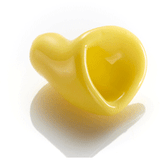




At 100 km/h, the loudest thing on many rides is not the engine. It is the constant rush of air around your helmet. That is why motorcycle earplugs wind noise is such a common search - riders feel the fatigue, the ringing ears after a long run, and the nagging question of whether their hearing is taking a hit.
The short answer is yes, it can be. Wind noise inside a helmet can reach levels that are high enough to contribute to hearing damage over time, even when your bike itself does not seem excessively loud. If you ride regularly, especially on motorways or open regional roads, ear protection is not an optional extra. It is part of riding smart.
Why wind noise is a bigger problem than most riders think
A lot of riders assume hearing risk comes mainly from exhaust noise. Sometimes it does, particularly on louder bikes or modified setups. But for many motorcyclists, the bigger issue is turbulent air moving around the helmet, visor, collar and neck gap.
That noise is broad, harsh and relentless. Unlike a short burst of sound, wind noise keeps going for the whole ride. After an hour or two, that matters. You might notice muffled hearing when you stop for fuel, a hiss in your ears that night, or just the mental drain that comes from constant exposure.
This is where many riders get caught out. A helmet can protect your head brilliantly and still let in enough turbulence to put your hearing under strain. Premium helmets often help, but even very good lids do not eliminate wind noise on their own.
What motorcycle earplugs for wind noise actually do
Good motorcycle earplugs are designed to reduce damaging noise while still letting you ride safely. That means lowering the overall sound exposure without making you feel cut off from the world.
The best options do not simply block everything as much as possible. They aim to reduce the harshness of wind roar while allowing useful sound through - things like traffic, sirens, horns, navigation prompts or helmet comms. That balance matters. Riders need protection, but they also need awareness.
This is one of the biggest differences between purpose-built motorcycle plugs and a cheap pair of disposable foam plugs grabbed from the servo. Foam plugs can reduce a lot of sound, but they are not always comfortable under a helmet, and they can muffle important frequencies in a way that feels unnatural. Some riders also struggle to insert them properly, which means the protection is inconsistent.
Motorcycling earplugs with acoustic filters are usually a better fit for regular riding. They are built for prolonged wear, sit more comfortably under a helmet, and offer more controlled attenuation rather than blunt-force blocking.
Not all earplugs feel the same on the bike
If you have ever put on your helmet and felt an earplug shift, loosen or start pressing painfully after twenty minutes, you already know fit is everything.
A plug that works fine for sleep or general noise reduction may not work well on a bike. Helmet pressure changes the equation. You need something low-profile, stable and comfortable enough to wear for the whole trip, not just the first half hour.
Reusable filtered plugs are a strong choice for many riders because they are designed to sit neatly in the ear and handle repeated use. They also tend to be more cost-effective over time than burning through disposables every week.
For riders who do big kilometres, commute daily, or simply want the best possible comfort, custom-moulded earplugs are hard to beat. Because they are made to the shape of your ears, they can deliver a more secure seal and a lower profile under the helmet. They also remove a lot of the guesswork around fit.
There is a trade-off, of course. Custom options cost more upfront than standard reusable plugs. But if you ride often, the comfort, durability and consistent protection can make that investment worthwhile.
How much noise reduction do you really need?
This is where it depends. More reduction is not always better if it leaves you feeling disconnected or tempted to remove the plugs mid-ride.
For most road riders, the goal is to bring wind noise down to a safer, less fatiguing level while keeping situational hearing usable. That is why filtered earplugs are often recommended over basic high-block plugs. They take the edge off the damaging noise without turning every ride into a dull, muffled experience.
Your ideal level can also depend on how and where you ride. A daily commuter doing suburban speeds may want a different setup from a rider spending hours on the motorway. Adventure riders, tourers and sportsbike riders can all experience different airflow and helmet acoustics as well.
If you use helmet speakers or a comms unit, proper earplugs can actually make audio clearer. That sounds backwards at first, but once the wind roar is reduced, speech and prompts often become easier to hear at lower volume.
Helmet choice still matters
Earplugs are essential, but they are only one part of the picture. Helmet design, screen height, riding position and even your jacket collar can all affect turbulence.
A poorly managed airflow setup can create a loud pocket of buffeting right where your ears sit. Sometimes a different visor position, screen adjustment or neck seal makes a noticeable difference. Other times, the cleanest fix is simply pairing a decent helmet with purpose-built earplugs and accepting that some wind noise is part of riding.
That is the practical view. Chasing complete silence on a motorcycle is unrealistic. Reducing harmful exposure to a safer, more comfortable level is the real target.
Signs your current setup is not doing the job
If your ears ring after rides, your hearing feels dull afterwards, or you get unusually tired on longer trips, your hearing protection may not be adequate. Frequent readjustment is another red flag. So is avoiding earplugs because they hurt once the helmet goes on.
Comfort problems matter because uncomfortable plugs do not get worn consistently. The best hearing protection is the one you will actually use every ride.
It is also worth paying attention to hygiene and lifespan. Reusable earplugs need cleaning and proper storage. Once they are worn, damaged or no longer sealing well, performance drops. If you are relying on old plugs that have gone hard, dirty or misshapen, it is time to replace them.
Choosing motorcycle earplugs wind noise riders can trust
When comparing options, start with purpose rather than price. Ask whether the plugs are designed specifically for riding, whether they use filtered attenuation, and whether they are comfortable under a helmet for extended periods.
Reusable motorcycle plugs suit many riders because they balance protection, value and convenience. Custom-moulded plugs make sense for frequent riders who want a precise fit and long-term comfort. Disposable foam still has a place as a backup, but it is rarely the best long-term solution for serious riding.
It is also worth buying from a hearing protection specialist rather than treating earplugs as an afterthought. A specialist can help match the product to the use case, whether that is commuting, touring, weekend scratching or cross-country riding. At Hearsafe Australia, that practical match between product and environment is exactly the point.
Protect your hearing before you notice the damage
Hearing damage usually does not arrive with much drama. It builds gradually. A bit of ringing here, a little trouble hearing clearly there, more listening fatigue than you used to have. By the time it becomes obvious, you cannot simply reverse it.
That is why riders who take hearing seriously tend to be the ones who keep enjoying long days in the saddle. They are not being overly cautious. They are protecting something permanent.
If you ride often, motorcycle earplugs for wind noise are one of the simplest upgrades you can make. Not flashy, not expensive compared with most riding gear, but genuinely useful every single time you head out. Your bike does not need to be loud for your ears to be under pressure, and your hearing is worth more than toughing it out.
The best time to sort your hearing protection is before the next long ride, not after the ringing starts.
