

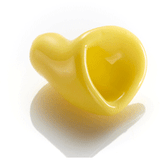




A snoring partner at 2 am, traffic starting before sunrise, neighbours who think weeknights are made for entertaining - sleep gets disrupted in very ordinary ways. Finding the best earplugs for sleeping is less about buying the highest noise rating on the shelf and more about choosing a pair you can actually wear comfortably through the night.
That matters because sleep protection has a different job from hearing protection on a worksite or at a gig. You are not trying to block every sound at any cost. You are trying to reduce the noises that keep waking you, without ending up with sore ears, pressure points or earplugs that fall out by midnight.
What makes the best earplugs for sleeping?
For sleep, comfort comes first. An earplug can have impressive noise reduction on paper, but if it presses against the ear canal or sticks out too far for side sleeping, it will not last the night. Softer materials usually perform better here, especially for people who sleep on their side or move around a lot.
The second factor is fit. A poor fit does two things at once - it reduces effectiveness and makes the plug more noticeable. That is why one person will swear by foam while another cannot tolerate it at all. Ear canals vary, and sleeping positions matter.
The third factor is the type of noise you are trying to reduce. Low-frequency snoring, intermittent barking, household movement and early morning traffic all behave differently. Earplugs can reduce these sounds, but no earplug makes you deaf to the world. If someone promises total silence, that is marketing, not reality.
Foam, silicone or custom?
Disposable foam earplugs are often the first option people try, and for good reason. They are affordable, widely available and can provide strong attenuation when inserted correctly. For occasional travel, temporary sleep disruption or testing whether earplugs help at all, foam can be a practical starting point.
The trade-off is consistency. Many people do not insert foam plugs deeply enough, which means they underperform. Others find them drying, itchy or uncomfortable after a few hours. They are also single-use by design, so regular use creates ongoing waste and repeat cost.
Mouldable silicone earplugs sit differently. Rather than expanding inside the ear canal, they shape over the outer ear opening. Some sleepers prefer them because they avoid that deeper in-ear feeling. They can work well for light noise reduction and for people who struggle with canal pressure. The downside is that they may shift during the night, particularly in warm conditions or if you are a restless sleeper.
Custom sleep earplugs are the premium option. These are made from impressions of your ears, so the fit is specific to your ear canal shape. For people dealing with ongoing sleep disruption, tinnitus sensitivity or nightly noise exposure, custom plugs are often the most reliable long-term answer. They tend to be more comfortable over extended wear, more durable than disposables and less likely to loosen overnight.
That does not mean custom is automatically right for everyone. If you only need earplugs a few nights a year, the investment may be unnecessary. But if you wear them most nights, comfort, durability and dependable fit start to matter a lot more.
Noise reduction matters, but so does real sleep comfort
A common mistake is choosing the highest noise reduction number available and assuming that equals the best result. In practice, very high attenuation can feel occluding, especially in bed when internal sounds like breathing or movement become more noticeable. Some sleepers find that sensation distracting rather than calming.
The better approach is balanced reduction. You want enough attenuation to take the edge off disruptive noise, but not so much bulk or pressure that the earplug becomes the problem. For many people, moderate to high noise reduction with a soft, low-profile design works better than the maximum possible rating.
This is also where sleep earplugs differ from industrial hearing protection. Certified workplace products are designed around exposure control and compliance. Sleep products still need to perform, but the experience of wearing them for seven or eight hours in a pillow matters just as much.
Best earplugs for sleeping by use case
If your main issue is a partner’s snoring, comfort and seal are the priority. Snoring is repetitive and often low frequency, so no earplug will erase it entirely, but a well-fitted plug can reduce the sharpness and volume enough to stop repeated wake-ups. Foam may work, though many people in this category end up preferring custom options because nightly use exposes every small comfort issue.
If you live near traffic, trains or flight paths, consistency matters. These noises come in waves, and a plug that shifts during the night quickly becomes frustrating. Reusable or custom earplugs with a stable fit usually outperform loosely inserted disposables over time.
If you are a side sleeper, profile matters as much as material. Bulky plugs can create pressure between the ear and pillow, which leads to soreness by morning. Softer, smaller sleep-specific designs are a better bet than general-purpose earplugs.
If you are sensitive to sound due to stress, autism, tinnitus or general sensory overload, the right answer may be less about maximum blockage and more about tolerable reduction. Overblocking can make internal body noise more noticeable, which some people find unsettling. In these cases, fit advice and product selection support can make a real difference.
When custom earplugs are worth it
Custom earplugs make the most sense when sleep disruption is regular, not occasional. If you are using disposables most nights, replacing them constantly and still waking up uncomfortable, you are already paying the hidden cost of a poor solution.
A custom set is built around long-term wear. The fit is more precise, the materials are designed for repeated use and the result is usually more stable through the night. For many Australians managing shift work sleep, apartment noise, travel fatigue or a snoring household, that reliability is what justifies the step up.
There is also a sustainability angle. Reusable and custom options reduce the stream of single-use foam plugs going into the rubbish. That does not matter only from an environmental point of view. It also reflects better product design - buy once for the right application, look after it properly, and it keeps doing the job.
How to choose without wasting money
Start with your actual sleep problem, not the product category. Ask whether the issue is snoring, street noise, occasional travel, sensory sensitivity or a mix of factors. Then think about how often you need the solution. Once-a-month hotel stays and nightly bedroom noise are not the same buying decision.
Be honest about comfort tolerance too. If you already dislike earbuds or in-ear headphones, deep-insert foam may not be your best match. If you are a side sleeper, low-profile designs should move to the top of the list. If you need something dependable every night, it often makes sense to skip repeated trial and error and look at a higher-quality reusable or custom option earlier.
This is where specialist guidance helps. A retailer focused on hearing protection can steer you towards a sleep-specific solution instead of a generic earplug that was really designed for another environment. Hearsafe Australia takes that category-specific approach because the best result usually comes from matching the product to the noise, the ear and the way you actually live.
Care, hygiene and when to replace them
Sleep earplugs sit in the ear for hours, so maintenance is not optional. Disposable foam should not be stretched beyond its intended use. Once it loses expansion, becomes dirty or stops sealing properly, it is done.
Reusable earplugs need regular cleaning according to the manufacturer’s instructions. Oils, wax and dust all affect fit and hygiene. Custom plugs also need routine care, along with occasional fit checks if they stop feeling secure or comfortable.
If earplugs start causing pain, irritation or a blocked-ear feeling that lingers after removal, stop using them and reassess the fit. The right sleep earplug should feel secure, but it should not leave you dreading bedtime.
A good pair of sleep earplugs does not create perfect silence, and it does not need to. What it should do is lower the nightly noise floor enough that your body gets a fair shot at proper rest. When the fit is right, the material suits your ears and the product matches the kind of noise you are dealing with, earplugs stop feeling like a compromise and start feeling like a routine that protects your sleep.