





A snoring partner at 2 am, street noise before sunrise, neighbours who think midnight is the right time to move furniture - this is usually when people start looking for the best earplugs for sleeping. The trouble is, plenty of earplugs block sound on paper but feel awful after an hour, fall out overnight, or leave your ears sore by morning.
For sleep, the right choice is less about buying the highest noise rating and more about getting the right fit, material and shape for how you actually sleep. If you are a side sleeper, have small ear canals, or need something you can wear night after night, those details matter more than marketing claims.
What makes the best earplugs for sleeping?
The best sleeping earplugs do three jobs well. They reduce enough noise to take the edge off snoring, traffic, barking dogs or early-morning household sounds. They stay comfortable for a full night. And they do it consistently, not just for the first few uses.
That last point is where many cheap options fall over. Disposable foam plugs can work well for occasional use, but they are not always the best long-term answer for regular sleepers. Foam can create pressure in the ear canal, especially if inserted deeply. Some people also find that foam expands too firmly, which is fine on a noisy worksite for a shift, but less ideal when you are trying to sleep on your side for eight hours.
A good sleeping plug needs to balance noise reduction with wearability. Too little attenuation and you still hear everything. Too much bulk or pressure and you will pull them out in your sleep.
Foam, silicone or custom: which type suits you?
There is no single best option for everyone, because sleeping habits and ear shape vary a lot.
Disposable foam earplugs
Foam earplugs are widely available and cheap, so they are often the first thing people try. They can offer strong noise reduction when inserted properly, and for a short trip or the odd noisy night, they may do the job.
The trade-off is comfort and consistency. Many people do not insert foam correctly, so they get less protection than expected. Others find them too bulky, too hot, or irritating after repeated use. If you are using earplugs most nights, the recurring cost and waste also add up.
Soft silicone or sleep-specific reusable earplugs
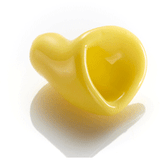
Reusable earplugs designed for sleep are usually a step up in comfort. They tend to be softer, lower-profile and shaped to sit more neatly in the ear, which matters if your head is pressed into a pillow. A quality reusable plug can also offer a more predictable fit from night to night. The Elacin Universal Relax is our reusable sleep option.
This is often the sweet spot for people who want better comfort than foam without jumping straight to a custom-moulded product. The main thing to check is whether the plug is genuinely designed for sleeping, rather than being a general noise-reduction plug repurposed for bedtime.
Custom-moulded earplugs
If you are a light sleeper, deal with regular snoring beside you, work shifts, or simply cannot get comfortable with standard sizes, custom-moulded earplugs are worth serious consideration. These are made to suit your ears, so the fit is more precise and the pressure points are reduced. Ours are the Elacin Relax Custom Earplugs.
They cost more upfront, but for many people they are the most comfortable and reliable long-term option. They are also reusable and durable, which can make them better value over time than constantly replacing disposable plugs.
Why comfort matters more than people think
A lot of shoppers focus on noise reduction ratings and stop there. That is understandable, but sleep is different from many other hearing protection situations. If an earplug blocks plenty of sound but hurts your ears, it is not the right product for sleeping.
Side sleepers know this better than anyone. A plug that sticks out too far can press against the pillow and create a dull ache in the ear canal or outer ear. Even a small amount of pressure becomes a problem after several hours. Lower-profile designs usually perform better here.
Material also plays a part. Softer, purpose-built sleep earplugs are generally easier to wear for a full night. A firmer plug may seal well, but if it feels intrusive, you are less likely to keep using it.
The best earplugs for sleeping depend on the noise
Not every sleep disruption needs maximum blocking. In fact, going too hard on attenuation can be unnecessary.
If your issue is light traffic, a noisy air-conditioner, or general household sound, a moderate level of noise reduction may be enough. If you are dealing with loud snoring, apartment noise, or daytime sleep after night shift, you may need a better seal and more effective attenuation.
It also depends on what sounds you still need to hear. Some parents want to reduce background noise but still notice a child calling out. Some shift workers want to block street noise but hear an alarm. No earplug makes you deaf to the world, nor should it. The goal is usually to reduce disruptive noise to a manageable level, not eliminate every sound.
Signs your current earplugs are not right for sleep
If you wake with sore ears, if one plug regularly falls out, or if you find yourself avoiding them even though you need them, the product is probably wrong for the job. The same applies if you keep pushing them in deeper overnight or if they leave your ears itchy and irritated.
Poor fit is one of the biggest reasons people give up on earplugs. They assume earplugs do not work for them, when really they just have the wrong type or size. This is especially common with one-size-fits-all foam options.
For regular use, comfort is not a bonus feature. It is what determines whether the product becomes part of your nightly routine.
How to choose properly the first time
Start with your sleep habits. Are you a side sleeper? Do you wear earplugs every night or only when travelling? Is the main issue snoring, neighbourhood noise, or trying to sleep during the day?
Then think about your tolerance for pressure in the ear canal. If you already know foam feels uncomfortable, there is little point buying more foam in bulk and hoping for a different result. Reusable sleep earplugs or custom-moulded options will usually be the better path.
It is also worth thinking long term. A cheap box of disposables can seem economical, but regular replacement changes the equation. Reusable, purpose-built earplugs often make more sense for frequent use because they are designed for repeated wear, better comfort and easier routine care.
Reusable earplugs often make more sense for regular sleepers
For people using earplugs once in a blue moon, disposable foam has its place. But if you rely on earplugs most nights, reusable options are hard to ignore.
They are typically more durable, more comfortable and less wasteful. They are also better aligned with the idea that hearing protection should be fit for purpose, not treated as an afterthought. That matters whether you are protecting your ears at work, at a gig, on the bike, or in bed trying to get a decent sleep.
At Hearsafe Australia, that specialist approach is the point. Sleeping earplugs are not just small bits of material shoved in the ear. The right product should suit the environment, the user and the reason you need protection in the first place.
A quick word on hygiene and safety
Any earplug worn regularly needs to be kept clean and replaced when worn out. Reusable plugs should be cleaned as directed so they stay hygienic and keep sealing properly. Dirty or damaged earplugs can irritate the ear canal and will not perform as they should.
If you have ear pain, discharge, recurring irritation or an ear infection, stop using earplugs until the issue is sorted. And if your sleep problems are severe, earplugs may help with noise, but they will not solve every cause of poor sleep. Sometimes the noise is only part of the picture.
A better night’s sleep often comes down to one simple shift: stop buying earplugs as if they are all the same. When the fit is right and the design is actually made for sleep, quiet starts to feel a lot more realistic.
Where to start
If you sleep beside a snorer, work shifts, or wake at the smallest sound, these are the two options in our range made specifically for sleep:
- Elacin Relax Custom Earplugs — custom-moulded from your own ear impression in soft medical-grade silicone, with a low profile intended for side sleepers. No pressure points from a generic shape.
- Elacin Universal Relax — reusable and ready to wear, if you would rather try something before committing to custom.
See the full range on the sleep earplugs and night-time protection page, or call 1300 425 496 if you would like a hand choosing.