

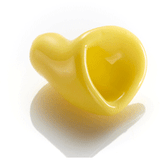




If you’re thinking about using earplugs for sleeping – to block snoring, traffic or noisy neighbours – a common worry is:
“Will I still hear my alarm in the morning?”
It’s a fair question. The goal of sleep earplugs is to help you rest, not to make you miss work, flights or kids who need you. Here’s how earplugs interact with alarms and how to choose options that balance noise reduction with safety.
What earplugs actually do to sound
Earplugs reduce sound – they don’t create total silence.
- They work best on continuous, low‑to‑medium frequency noise like snoring, traffic hum and household sounds.
- Short, sharp sounds that are close to you (like a loud alarm right by your head) are still likely to be heard, just less intensely.
How much the sound is reduced depends on:
- The type of earplug
- How well it fits and seals
- Your own hearing and how deeply you sleep
Can I still hear my alarm while wearing earplugs?
In most cases, yes – especially if you choose sensible alarm settings.
Many people safely use sleep earplugs and still wake to:
- A loud, vibrating phone alarm on the bedside table
- An alarm clock near the bed
- A smartwatch or fitness tracker with vibration
The key is to:
- Use an alarm that’s close to you
- Pick a clear, strong sound or vibration
- Avoid burying your phone or clock under layers of bedding
If you’re a very deep sleeper, you might need to experiment with alarm type and volume to find a combination that reliably wakes you.
Choosing earplugs that balance comfort and awareness
If you’re concerned about missing alarms or important sounds, look for:
- Sleep‑specific earplugs, not extreme industrial models designed for heavy machinery
- Moderate noise reduction focused on taking the edge off snoring and background noise rather than blocking everything
- A comfortable, consistent fit so you’re not tempted to pull them out overnight
The right sleep earplugs should help you sleep through normal household noise while still allowing a loud alarm or someone speaking directly to you to get through.
Tips to sleep safely with earplugs
Here are some practical ways to feel more confident using earplugs at night.
1. Test during the day
Before relying on earplugs overnight, try this:
- Put the earplugs in properly.
- Lie down in your usual sleeping position.
- Set an alarm for a few minutes ahead with the volume and sound you plan to use.
Notice how the alarm sounds with the earplugs in. Many people are surprised that it’s still clearly audible.
2. Use more than one waking cue
You can combine:
- A phone alarm plus a vibrating smartwatch
- A bedside alarm clock plus your phone
- Multiple alarms a few minutes apart
This builds in redundancy so you’re not relying on a single sound.
3. Position your alarm well
- Keep your alarm on the bedside table, not across the room.
- Avoid placing it under thick blankets or pillows, which can muffle it more than the earplugs do.
4. Start on a low‑stakes morning
If you’re nervous, start using sleep earplugs on a night where missing the first alarm wouldn’t be disastrous (e.g. a weekend). This helps build confidence before using them before an important early start.
When to consider custom sleep earplugs
If you:
- Are a very light sleeper,
- Need to wear earplugs every night, or
- Work shifts and sleep during the day,
custom sleep earplugs can offer a reassuring balance of:
- High comfort for long wear
- Reliable noise reduction that you understand
- The ability to fine‑tune the level of attenuation so you still hear important sounds
A hearing protection specialist can help you choose the right design for your situation.
The bottom line
Used thoughtfully, sleep earplugs don’t have to mean missed alarms or unsafe nights. They’re a tool to help you get the rest you need while keeping control over how and when you wake up.
At HearSafe Australia, we offer sleep earplugs for snoring, light sleepers and shift workers – including options that help you manage night‑time noise while still hearing the signals that matter. If you’re ready to sleep more soundly without losing your alarms, a well‑chosen pair of sleep earplugs can make a real difference.
