

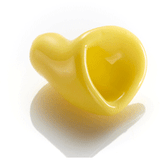




If you've ever worn foam plugs through a full shift, a set at a pub, or a long ride home and thought, these will do for now, you're not alone. But when noise exposure is regular, comfort and consistency stop being optional. Ear impressions for custom earplugs are the step that turns hearing protection from a generic product into something built for your ears, your use, and the level of protection you actually need.
Why ear impressions matter
A custom earplug is only as good as the mould it starts from. The impression captures the unique shape of your ear canal and outer ear so the finished plug sits securely, seals properly and stays comfortable over time. That matters whether you're on a worksite, behind a drum kit, in the saddle on the freeway, or trying to sleep next to a snorer.
The difference is not just comfort. Poor fit can reduce protection, shift during wear, create pressure points and tempt people to take earplugs out early. That is where risk increases. Noise-induced hearing damage is permanent, and repeated exposure adds up faster than many people realise.
With a well-taken impression, the result is far more precise. You get a fit designed to stay in place during movement, reduce the chance of leakage, and support the acoustic filter or attenuation level selected for your environment.
What are ear impressions for custom earplugs?
Ear impressions for custom earplugs are physical moulds taken from your ears by a trained professional. A soft material is placed into the ear canal and outer ear to record the shape. That mould is then used to manufacture earplugs tailored to your ears.
This is not a guess-and-check process. It is the foundation of a custom hearing protection solution. For musicians, that may mean keeping sound balanced while lowering harmful volume. For workers, it may mean achieving reliable attenuation without compromising day-long wear. For swimmers, it may mean a secure seal against water. The impression process stays broadly similar, but the final product is built around the job it needs to do.
What happens during the appointment?
For most people, the appointment is straightforward and quick. The first step is usually a visual ear check to make sure the ear canal is clear and suitable for impressions. If there is too much wax, or if something looks irritated, the fitting may need to be delayed. That is not a hassle for the sake of it. It is there to protect ear health and make sure the final impression is accurate.
Once the ear is ready, a small block is placed in the canal to protect the eardrum and set the depth for the impression material. Then the impression material is gently inserted. It fills the ear canal and outer ear and sits in place while it cures.
Most people describe the sensation as unusual rather than uncomfortable. Hearing will feel blocked for a few minutes, and there can be a sense of pressure, but it should not be painful. After the material sets, the impression is removed and checked for quality before being sent for manufacture.
Does impression quality really affect the final earplug?
Absolutely. Small errors at the impression stage can lead to larger problems once the earplugs are made. If the canal depth is wrong, the seal may be inconsistent. If the mould misses key contours, the plug may loosen with jaw movement or create sore spots during long wear.
That is why professional technique matters. The goal is not simply to fill the ear with material. It is to capture the anatomy accurately enough for the end use. Someone who needs custom plugs for industrial noise may need a different design focus from someone ordering plugs for sleeping, music, or motorsport.
This is also where experience counts. A provider who understands hearing protection, not just impression taking, is better placed to guide the right product and filter choice alongside the mould itself.
Who should consider custom earplugs?
If you only wear earplugs once a year, custom may be more than you need. But for many Australians, repeated exposure makes the case pretty quickly.
Tradies, machine operators and manufacturing teams often need protection they can wear for full shifts without constant adjustment. Musicians, DJs and venue staff need reduced volume without losing clarity. Motorcyclists want less wind noise without feeling cut off from the road. Swimmers need a watertight fit that stays put. Light sleepers and frequent travellers want comfort for extended wear. People with tinnitus or sensory sensitivity often need a more dependable, less intrusive fit than disposable options can provide.
In each of these cases, custom earplugs are not about luxury. They are about making hearing protection practical enough to use properly and often.
Custom vs disposable - where impressions make the difference
Foam earplugs have their place. They are accessible, affordable and useful for short-term or occasional exposure. But they rely heavily on correct insertion, and real-world use is often less than perfect. If they are not rolled, inserted and seated properly every time, protection can drop away.
Custom earplugs remove much of that variability. Because they are shaped from ear impressions for custom earplugs, insertion is simpler and fit is repeatable. That consistency is a major advantage for people who need reliable performance day after day.
There are trade-offs, of course. Custom earplugs cost more upfront and require an appointment. They also need cleaning and sensible storage. But over the long term, many users find they are more economical, more comfortable and less wasteful than running through disposable foam plugs week after week.
Do all custom earplugs use the same type of impression?
Not always. The exact impression technique can vary depending on the product design and intended use. Full-shell plugs, filtered musician plugs and swim plugs may each have slightly different requirements. Jaw position can also matter in some cases, especially where movement during speaking or singing could affect fit.
This is one reason a short consultation matters. The right question is not just, do you want custom earplugs? It is, what are you using them for, for how long, and in what environment? The best result comes from matching the impression and product design to the real-world conditions.
How to prepare for an ear impression appointment
There is not much you need to do, but a little preparation helps. If you know you have wax build-up, arrange to have it managed before your appointment. Turn up with a clear idea of how you plan to use the earplugs - work, music, sleep, swimming, shooting or something else. If you already wear hearing protection and dislike something about it, mention that too. Fit issues, pressure points and communication problems are all useful clues.
If the earplugs are for work, it also helps to know the noise environment and any site compliance requirements. Certified protection and the right attenuation matter more than simply choosing the strongest option.
What happens after the impressions are taken?
Once the impressions are approved, they are used to manufacture your earplugs. The turnaround time can vary depending on the product and lab process. When the finished earplugs arrive, they should be checked for fit, comfort and insertion technique.
That follow-up step matters. Even an accurately made custom product needs the user to know how to seat it properly and care for it. Good maintenance keeps the material in better condition, helps hygiene, and supports the lifespan of the product.
For many people, this is the point where hearing protection becomes easier to stick with. When earplugs fit well and suit the environment, they stop feeling like an interruption and start becoming part of the routine.
Are ear impressions worth it?
If hearing protection is part of your work, recreation or daily life, usually yes. Ear impressions are a small appointment with a big effect on the final result. They support comfort, retention, protection and long-term wearability, which are exactly the areas where generic options often fall short.
At Hearsafe Australia, this matters because the goal is not simply to sell earplugs. It is to help people protect hearing in a way they will actually use - at work, on stage, on the road, in the water or at home. The right fit gives hearing protection a much better chance of becoming consistent, and consistency is what protects hearing over time.
If you are already reaching for earplugs regularly, the better question may not be whether custom is worth considering. It may be how much easier life gets when your hearing protection finally fits the first time.
