

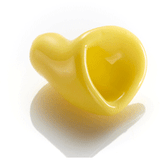




A snoring partner, early traffic, noisy neighbours or a brain that locks onto every little sound can turn a normal night into a long one. If you are trying to work out how to sleep with earplugs, the real challenge is not just blocking noise. It is finding a plug that feels comfortable for hours, stays in place, and does not leave your ears sore at 3 am.
For many Australians, earplugs are a simple way to reduce sleep disruption. They can help if you live near a main road, work shifts, travel often, manage tinnitus, or are sensitive to environmental noise. But there is a difference between wearing earplugs and sleeping well in them. Fit, material, ear shape and sleeping position all matter.
How to sleep with earplugs without sore ears
The most common complaint is pressure. People put in a pair of cheap foam plugs, lie on their side, and wake up with aching ears or find the plugs have worked loose. That usually comes down to size, insertion technique, or using the wrong style for overnight wear.
If you are sleeping on your side, the outer ear gets pressed into the pillow for hours. A plug that sticks out too far or expands too aggressively can create a pressure point. Softer low-profile earplugs generally feel better than bulky options. For some sleepers, reusable silicone or purpose-built sleep plugs are more comfortable than standard foam. For others, custom-moulded earplugs are the clear step up because they sit more precisely in the ear and are made for long-term comfort.
Insertion matters as much as the plug itself. Foam earplugs need to be rolled down tightly, inserted properly, and held in place while they expand. If they are only half inserted, they can feel larger than they should and reduce less noise than expected. With reusable plugs, forcing them too deep can cause discomfort, while sitting them too shallow can make them loose and ineffective.
There is also a trade-off worth being honest about. The highest noise reduction is not always the best answer for sleep. If an earplug blocks everything too aggressively, some people become more aware of internal sounds like breathing, heartbeat or jaw movement. That can be distracting, especially for light sleepers or people with tinnitus. In those cases, a moderate reduction with a better fit often works better than maximum attenuation.
Choosing the right earplugs for sleep
Not all earplugs are designed for overnight use. Some are made for worksites, motorsport, live music or shooting, where protection is the priority and comfort for eight hours on a pillow is not. Sleep earplugs need a different balance.
Foam plugs are widely used because they are inexpensive and can reduce a lot of sound. The downside is consistency. Some people get a good seal every night, while others struggle with fit, irritation or waste from frequent replacement. They can be useful for short-term situations like travel or a particularly noisy week, but they are not always the most comfortable long-term option.
Reusable sleep earplugs can feel softer and more stable, with less day-to-day variation. They also create less waste than disposable foam, which matters if you wear them most nights. The catch is that one-size-fits-all designs still rely on your ear shape matching the product.
Custom earplugs are often the best option for regular sleepers, especially if you are dealing with ongoing noise, sensitivity, or repeated discomfort from generic plugs. A custom fit can make a significant difference because the plug is shaped to your ear canal and outer ear. That means better comfort, better retention, and reliable protection without the trial and error.
For people who wake easily, that reliability matters. You do not want to be adjusting an earplug at midnight or searching for one in the sheets before dawn.
If you are a side sleeper
Side sleepers usually need lower-profile plugs that do not protrude much beyond the ear canal. A large stem or rigid outer section is more likely to press against the pillow and cause tenderness. If you have tried sleeping with earplugs before and given up, side sleeping is often the reason.
This is where product selection matters. The best earplug for a back sleeper may be frustrating for someone who spends the whole night on one side. A softer design or custom-moulded option can solve that problem quickly.
Getting used to sleeping with earplugs
Even with the right product, sleeping with earplugs can feel strange for the first few nights. That does not necessarily mean the plugs are wrong. Your ears and brain may just need time to adjust.
It helps to wear them for short periods before bed. Try them while reading, winding down or watching television. That gives you a chance to notice any pressure points before you are trying to fall asleep. If they become uncomfortable within 20 minutes, they are unlikely to feel better after six hours.
You should also keep expectations realistic. Earplugs reduce sound. They do not create total silence. Low-frequency noise such as trucks, bass, aircraft or heavy snoring may still be audible, just less intrusive. That reduction is often enough to improve sleep quality, but only if the fit is right and the noise source is within a reasonable range.
If you are using earplugs because of a partner who snores heavily, it may take a mix of strategies. Earplugs can help, but so can room acoustics, pillow position or addressing the snoring itself. Sleep problems are not always solved by a stronger plug.
Safety and hygiene matter more than people think
If you want to know how to sleep with earplugs safely, hygiene is non-negotiable. Wearing dirty earplugs night after night increases the risk of irritation, wax build-up and ear infections. This is especially relevant in warmer weather, after exercise, or if you naturally produce more wax.
Disposable foam plugs are not designed to be used indefinitely. Once they lose shape, get dirty, or stop sealing properly, they should be replaced. Reusable plugs need regular cleaning according to the manufacturer’s instructions. That usually means gentle washing, thorough drying and proper storage.
Your ears also need attention. If you already have pain, discharge, active infection or impacted wax, putting earplugs in every night can make things worse. In that case, it is worth getting the ear checked before continuing. Earplugs should support better sleep, not create another problem.
A good fit should feel secure but not tight. If you remove earplugs in the morning and notice persistent soreness, redness, itching or reduced hearing, something is off. It may be the material, the size, the insertion depth, or the fact that the plug simply does not suit your ears.
When generic earplugs are not enough
There are clear signs that it may be time to move beyond supermarket options. If earplugs keep falling out, leave your ears tender, never seem to reduce enough noise, or feel different every night, generic designs may be the weak point.
This is particularly true for people who rely on them often. Shift workers sleeping during the day, frequent travellers, people living in consistently noisy areas, and those managing sensory sensitivity usually need something more dependable. The same applies if you have smaller or more unusual ear canals, where standard sizing often misses the mark.
Custom solutions cost more upfront, but they are built for long-term use, comfort and durability. They can also be a smarter environmental choice than cycling through disposable foam. For many regular users, better sleep and a better fit justify the investment.
That is where a specialist provider such as Hearsafe Australia adds value. The difference is not just the product. It is getting the right style for your environment, ear shape and comfort needs rather than guessing from a crowded shelf.
How to sleep with earplugs and still wake up when needed
Some people avoid earplugs because they are worried about sleeping through an alarm, a child waking, or an emergency. In practice, well-fitted earplugs reduce noise rather than eliminating every sound. Higher-pitched or close-range noises can still come through, especially if they are loud or designed to get your attention.
If this is a concern, test your setup before relying on it. Use your normal alarm and see whether you wake to it with the earplugs in place. You may need to adjust volume, choose a different tone, or place the mobile closer to the bed. Again, there is a balance here. You want enough reduction to sleep, but not so much isolation that you feel uneasy.
For some people, moderate attenuation is the sweet spot. It takes the edge off surrounding noise while leaving enough awareness to feel comfortable through the night.
The best earplug for sleep is the one you can actually wear until morning. If it is comfortable, hygienic, suited to your sleeping position and matched to the kind of noise you are trying to reduce, you are far more likely to sleep through the night instead of fighting both the noise and the earplug.
