



A foam plug that feels fine for ten minutes can become unbearable by smoko. A generic pair that blocks everything might protect your hearing, but it can also make it harder to hear instructions, conversation or the sound you actually need to hear. That is where a custom moulded earplugs guide becomes useful - not as a sales pitch, but as a practical way to work out whether a made-for-you solution is worth it.
For many Australians, the answer depends on exposure, comfort and consistency. If you are on a noisy worksite, behind a drum kit, riding long distances, trying to sleep near traffic or dealing with sound sensitivity, earplugs only help if you will actually wear them. Fit is not a small detail. It is the whole game.
What custom moulded earplugs actually are
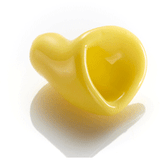
Custom moulded earplugs are made from impressions of your ears, so the finished plugs follow the exact shape of your ear canal and outer ear. That gives a more stable seal, a more secure fit and far less guesswork than one-size-fits-all options.
The main difference is not just comfort. It is repeatable protection. Disposable foam plugs can work very well when inserted properly, but plenty of people do not fit them deeply enough or consistently enough. With custom plugs, the seal is designed around your ears, which makes daily wear easier and protection more reliable.
That does not mean custom is always the right choice. If you only need hearing protection once or twice a year, a quality reusable or disposable option may be enough. But if noise is part of your job, your routine or your lifestyle, custom protection starts to make sense quickly.
Custom moulded earplugs guide for different uses
Not all earplugs are trying to do the same job. That matters because the best option for a boilermaker is not the best option for a singer, and neither of those is right for swimming.
Worksites and industrial noise
For tradies, factory workers, mining teams and other high-noise environments, protection needs to be dependable, durable and suitable for the risk level. Comfort matters because if plugs irritate your ears halfway through a shift, compliance drops off. That is when hearing damage happens - not because protection was unavailable, but because it was too annoying to keep wearing.
Custom industrial earplugs can be supplied with specific filter ratings and, depending on the application, may support clearer communication than heavily muffling generic plugs. In some environments, especially where helmets, other PPE or repeated insertion are part of the day, custom plugs can also be more practical over the long term.
Music, live events and performance
Musicians, DJs, venue staff and regular gig-goers often need a different result. The goal is not to block sound indiscriminately. It is to reduce volume while preserving balance and clarity as much as possible.
That is where filtered custom earplugs stand out. Instead of making music sound muddy, they are designed to reduce harmful levels more evenly. If your work or weekend revolves around live sound, that distinction is a big one. You protect your hearing without losing the detail that matters.
Sleep, travel and everyday noise
Sleep plugs are about comfort over long periods and reducing disruption from snoring, traffic, planes or noisy neighbours. Some people love custom sleep plugs because they sit more comfortably through the night, especially side sleepers who struggle with bulkier off-the-shelf options. Others may prefer a softer reusable plug if they only use them occasionally. It depends on sleeping position, ear shape and how sensitive you are to pressure.
For travel and daily noise reduction, custom plugs can be a smart option for frequent flyers, shift workers, people living in busy urban areas or anyone managing sensory overload. For NDIS participants and others with sound sensitivity, fit and consistency can make an ordinary day far more manageable.
Swimming, motorsports and shooting
These categories are highly specific. Swim plugs are made to help keep water out, which is different from filtering noise. Motorcycle earplugs are designed to reduce wind noise fatigue while preserving awareness. Shooting protection usually requires much higher attenuation and should be selected carefully for the noise levels involved.
This is why category-specific advice matters. Earplugs are not interchangeable just because they fit in your ear.
Why people upgrade from foam or universal plugs
The biggest reason is simple: they are tired of compromises. Foam plugs are cheap and widely available, but they create ongoing waste, need replacing often and rely heavily on correct insertion. Universal reusable plugs last longer, but fit can still be hit-and-miss.
Custom plugs are an investment in comfort and routine. They can last for years with proper care, which changes the value equation for anyone using hearing protection regularly. They also reduce the temptation to go without because the fit is irritating or the sound is too distorted.
There is an environmental benefit too. Replacing piles of disposable plugs with one durable, application-specific pair is a more sustainable choice for individuals and workplaces alike.
The fitting process is simpler than most people expect
A lot of people assume custom hearing protection is complicated. It usually is not. The standard process starts with checking that your ears are suitable for impressions. Then impressions are taken by a trained professional, and those impressions are used to manufacture the plugs.
Once ready, the finished earplugs are fitted and checked. The key benefit here is precision. If there is a problem with seal, comfort or retention, it can be addressed far more effectively than with generic products.
For workplace teams, on-site fittings can also make the process more efficient, particularly when hearing protection needs to be rolled out across multiple staff in the same environment.
What to look for before you buy
Start with the noise, not the product. Ask where you are using the plugs, how long you will wear them, whether you still need to hear speech or detail, and whether there are any compliance requirements involved.
Certification matters. In workplace settings especially, hearing protection should align with the relevant standards and the actual noise exposure, rather than a vague promise of being heavy-duty. Over-protecting can be an issue too if it cuts off necessary communication or awareness.
Material and design matter as well. Softer options may suit sleep and extended wear. Filtered designs are often better for music and communication. Water-blocking designs suit swimming. The right custom plug is not just one that fits your ear. It is one that fits your environment.
Cost versus value
Custom earplugs cost more upfront than disposable or universal products. There is no point pretending otherwise. But upfront price is only part of the picture.
If you wear earplugs most days, replacing disposables adds up. So does the cost of buying products that sit in a drawer because they never felt right. More importantly, hearing damage is permanent. Once it is done, there is no reset button. That makes quality hearing protection one of the more sensible long-term health purchases you can make.
For employers, the value calculation includes staff comfort, PPE compliance, durability and the ability to provide fit-for-purpose protection across a team. For individuals, it often comes down to one question: will this pair make me more likely to protect my hearing every time I need to?
Care, lifespan and when to replace them
Custom earplugs are low-maintenance, but not no-maintenance. They should be cleaned as directed, stored properly and checked for wear over time. Filters, where applicable, may also need inspection or replacement depending on the design.
A good pair can last years, but not forever. Changes in fit, hardening material, visible damage or reduced performance are signs it may be time to review them. Ear shape can also change gradually, so a pair that once fitted perfectly may eventually need replacing.
If your use case changes - for example, you move from occasional gig attendance to regular venue work, or from office noise to industrial exposure - your hearing protection may need to change with it.
Is custom right for you?
If you need hearing protection often, struggle with comfort, want better sound quality, need a secure fit under real-world conditions or are buying for a team, custom moulded earplugs are worth serious consideration. If you only need earplugs once in a blue moon, a simpler option might do the job.
That is the real point of any custom moulded earplugs guide: not to tell everyone to buy the most expensive option, but to help you choose protection you will actually use. At Hearsafe Australia, that usually starts with the use case, the risk and the fit - because the best earplugs are the ones that protect your hearing without making everyday life harder.
Your hearing has to last through work, weekends and everything in between. If noise is a regular part of your life, choosing ear protection that fits properly is not overthinking it. It is common sense.
