

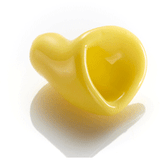




At 100 km/h, the problem usually is not your exhaust. It is wind noise hammering your ears for the entire ride. That constant roar can be loud enough to contribute to permanent hearing damage, which is why choosing the best earplugs for motorcycle riding is less about convenience and more about protecting your hearing for the long term.
A lot of riders put it off because they assume earplugs will block too much sound, feel uncomfortable under a helmet, or make traffic less safe. In practice, the right earplugs often do the opposite. They reduce the fatiguing rush of wind, make the ride feel calmer, and can help you focus better on the road.
What makes the best earplugs for motorcycle riding?
There is no single earplug that suits every rider. The best choice depends on how often you ride, how long you are in the saddle, how sensitive your ears are, and whether you want a simple reusable option or a long-term custom solution.
For motorcycle use, the key goal is reducing harmful wind noise while keeping comfort high inside the helmet. That means a good riding earplug needs a secure fit, low-profile design, and reliable attenuation. If it sticks out too far, creates pressure points, or loosens once your helmet goes on, you will stop wearing it.
This is also where generic foam plugs can be a mixed bag. They can provide strong noise reduction, but only if inserted correctly, and many riders do not get a proper seal. They can also feel intrusive, especially on longer rides, and because they are disposable, they are not the most durable or sustainable option.
Reusable filtered earplugs and custom moulded earplugs are usually the better fit for riders who want consistency. They are designed for repeated use, more predictable fit, and better day-to-day comfort.
Why motorcycle riders need ear protection even on short trips
Many riders associate hearing damage with racetracks, loud pipes, or years of heavy industrial noise. But road riding can be enough. Wind turbulence around a helmet can reach damaging levels surprisingly quickly, particularly at higher speeds or on longer commutes.
The issue is cumulative exposure. You might not notice a problem after one ride to work, one Sunday run through the hills, or one weekend tour. But over time, repeated exposure adds up. Ringing in the ears after a ride, a sense of muffled hearing, or increased sound sensitivity are warning signs worth taking seriously.
Once hearing damage occurs, it cannot be reversed. Prevention is the smarter option, and far cheaper than dealing with permanent hearing loss or tinnitus later.
Reusable vs custom earplugs for riding
For most riders, the real decision is between reusable universal-fit earplugs and custom moulded earplugs.
Reusable earplugs are a practical starting point. They cost less upfront, they are easy to carry in a jacket pocket or tank bag, and quality filtered models can deliver dependable protection without the waste of single-use foam. If you ride a few times a month, commute occasionally, or want something straightforward, they can make a lot of sense.
Custom moulded earplugs are the premium option, and for many regular riders they are the better long-term investment. Because they are made to the exact shape of your ears, they tend to offer superior comfort under a helmet and much more stable fit over extended wear. That matters on long rides where even a small pressure point can become a genuine distraction.
Custom protection is also a strong choice for riders who have struggled with standard earplugs falling out, feeling uneven, or causing soreness. If you wear plugs for hours at a time, or several days a week, the difference in comfort can be substantial.
The trade-off between maximum reduction and ride awareness
A common concern is whether stronger noise reduction makes riding less safe. The answer is that it depends on the type of earplug and the fit.
Good motorcycle earplugs are not about shutting out the world completely. They are about bringing dangerous and fatiguing noise down to a safer level. Wind noise is one of the biggest problems on a bike because it is broad, relentless, and exhausting. Reducing that noise can make important sounds easier to distinguish, not harder.
That said, more attenuation is not always better for every rider. Some people prefer a filtered reusable earplug that takes the edge off while preserving a more natural listening experience. Others, especially riders doing long highway stretches, may want stronger reduction. The best earplugs for motorcycle riding are the ones you will actually wear on every trip, not the pair with the highest number on the packet.
Features worth looking for
When comparing options, fit matters more than marketing. A low-profile shape is important because bulkier earplugs can press against the inside of the helmet. Soft materials also help, especially if you are riding for more than a quick suburban run.
Filtered designs are often preferred by experienced riders because they can reduce noise more evenly than basic foam. This can make the overall sound environment feel less harsh and less blocked up. Reusable materials are another plus, as they are easier to maintain and more economical over time.
If you ride regularly, certified hearing protection should be high on the list as well. Protection claims should be backed by recognised testing, not just vague promises. This matters for peace of mind and for making a genuinely informed purchase.
When custom moulded earplugs are worth it
Not every rider needs custom earplugs straight away. But there are clear signs when they become the smarter option.
If you are doing long-distance touring, daily commuting, adventure riding, or any riding where earplugs are part of your standard kit, custom moulded protection can pay off quickly in comfort and consistency. The same applies if you have small ear canals, trouble getting universal plugs to seal properly, or irritation from repeated use of foam plugs.
Custom options also suit riders who already experience tinnitus or noise sensitivity. In these cases, reducing exposure is not just preventative. It is often part of managing a condition that can become more intrusive if ignored.
For Australian riders looking for a more durable and application-specific solution, specialist providers such as Hearsafe Australia can guide that process and help match the protection to the way you actually ride.
Common mistakes riders make
The biggest mistake is simply riding without ear protection because the trip feels too short to matter. Hearing damage does not work that way. Frequency of exposure matters, and so does speed.
The second is using the wrong type of earplug for comfort. If a plug hurts after 20 minutes, shifts when the helmet goes on, or feels too fiddly to insert, it will end up left in the glovebox or thrown in the rubbish.
Another issue is assuming all reusable earplugs are the same. They are not. Shape, filter design, material softness, and real-world fit vary quite a bit. A cheap pair that technically reduces noise but feels awful under a full-face helmet is not a good buy.
Finally, riders often forget maintenance. Reusable and custom earplugs need regular cleaning and sensible storage. Dirty or damaged plugs are less pleasant to wear and may not perform as intended.
How to choose the best earplugs for motorcycle riding
Start with how often you ride. If riding is occasional, a quality reusable filtered earplug is often the right balance of protection, value, and convenience. If you are on the bike most days or clocking serious kilometres, custom moulded earplugs are usually worth the extra upfront cost.
Then think about your actual riding conditions. Open-road touring, motorway commuting, and adventure riding all expose you to sustained wind noise. Short urban rides still matter, but your comfort and attenuation needs may differ from someone spending three hours at highway speed.
It is also worth being honest about what you will realistically use. The best solution on paper is not the best solution for you if it stays in a drawer. Comfort, fit, and ease of use are what turn hearing protection into a habit.
If you have never worn proper riding earplugs before, it can help to start with a reusable option from a specialist hearing protection provider rather than a random convenience-store pack. You are more likely to get something designed for repeated wear and real noise reduction, not a disposable stopgap.
Your hearing is part of your riding future. Protecting it does not make the ride duller - it makes it more sustainable, less fatiguing, and easier to keep enjoying for years to come.