


If you run a noisy workplace in Australia – construction, manufacturing, workshops, mining or logistics – you already know hearing protection belongs on your WHS list. But knowing exactly what to provide and how to get workers to use it consistently can feel complicated.
This simple guide explains the basics of workplace hearing protection for Australian employers and safety managers, without drowning you in legislation.
Why workplace hearing protection matters
Noise is one of the most common workplace hazards – and one of the easiest to underestimate.
- Hearing damage is usually permanent. Noise‑induced hearing loss and tinnitus build up slowly over years of exposure.
- WHS duties are clear. If workers are regularly exposed to high noise levels, you’re expected to assess the risk and control it – including providing suitable hearing protection where needed.
- Hearing is a safety tool. Workers rely on alarms, reversing beepers, two‑way radios and shouted warnings. Poor protection can either under‑protect (too loud) or over‑protect (too quiet), both of which create risk.
A good workplace hearing protection program protects hearing and makes it easier for people to do their jobs safely.
Start with a noise risk assessment
Before choosing products, it’s important to understand your noise levels.
A basic process looks like this:
- Identify noisy tasks and areas. Think power tools, plant, compressors, grinders, production lines, truck loading bays and so on.
- Measure or estimate noise levels. This can be done by a specialist using noise meters, or by referencing manufacturer data and typical task levels.
- Decide where hearing protection is required. For those tasks and areas, hearing protection becomes part of your control measures alongside engineering and administrative controls.
You don’t need to become an acoustics expert. Many Australian workplaces partner with hearing protection specialists to help with this step.
Choosing the right industrial hearing protection
Once you know where protection is needed, you can choose industrial earplugs or earmuffs that match the job.
1. Match the protection level to the noise
In Australia, products are usually rated using SLC80 and Class (Class 1–5). In simple terms:
- Moderate noise → often Class 3–4
- Very high noise (heavy plant, mining, certain production tasks) → often Class 5
Higher is not always better. Over‑protecting workers can make it harder to hear instructions and alarms, which leads to plugs being removed or worn incorrectly. Aim for the right level, not the maximum.
2. Consider the tasks and environment
Think about:
- Duration: Are workers exposed for short bursts or for most of the shift?
- PPE compatibility: Do they also wear hard hats, safety glasses, respirators? Earplugs often work better than earmuffs under helmets and face shields.
- Communication needs: Can they still hear radios and voices at close range?
Different roles on the same site may need different solutions.
3. Universal vs custom earplugs
For many workplaces, a mix works best.
-
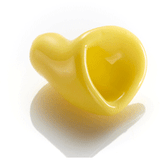
Universal industrial earplugs:
- Great for visitors, short‑term contractors and occasional noise exposure
- Lower upfront cost
- Need good education on fit and regular replacement
-
Custom‑moulded earplugs:
- Ideal for core staff regularly exposed to noise
- Very comfortable and secure, which improves buy‑in
- Can be supplied with filters that reduce hazardous noise while letting speech and warning sounds through
- Higher upfront cost but often better value over time
A specialist can help you decide which roles are best suited to custom vs universal options.
Training, fit and hygiene
Even the best industrial earplugs won’t work if they’re not used properly.
Include in your program:
- Simple training: Show workers how to insert earplugs correctly, check the seal and when they should be worn.
- Clear rules and signage: Identify hearing protection zones and tasks where PPE is mandatory.
- Hygiene and replacement: Provide storage cases, cleaning guidance and clear replacement intervals (especially for foam plugs).
- Feedback loop: Encourage workers to report discomfort, difficulty hearing signals or any ear issues.
Good workplace hearing protection is about partnership, not just compliance.
When to ask for specialist help
You should consider bringing in a hearing protection specialist if:
- You’re unsure which Class you need for particular tasks
- Workers complain that current earplugs are uncomfortable or they can’t hear instructions
- You’re planning a new plant, workshop or mine site and want to design controls properly from day one
- You’re interested in introducing custom earplugs for key roles
An expert can assess your situation, recommend options and even help with onsite fitting and education.
Next steps for Australian employers
You don’t need to become a hearing expert to protect your team. Start with:
- Identifying your noisiest tasks and areas
- Deciding where hearing protection is required
- Choosing industrial hearing protection that fits the job, the workers and the other PPE they wear
HearSafe Australia works with Australian businesses to design practical workplace hearing protection programs, from quality industrial earplugs to custom‑moulded solutions and staff education. If you’d like support building or improving your program, speaking with a specialist can be a straightforward next step.