





For people with Autism Spectrum Disorder (ASD) or a sensory processing condition, everyday environments can be overwhelmingly loud. Supermarkets, classrooms, public transport and events all carry a level of background noise that many people filter out without thinking about it - and that others cannot.
Earplugs will not change how someone processes sound, but they can lower the volume of the environment, which for many people makes a difficult setting more manageable.
Why custom-moulded earplugs suit sensory needs
Standard earplugs are made to an average ear shape. For someone who is already sensitive to physical sensation, a plug that presses, itches or works loose can be as distracting as the noise it was meant to reduce.
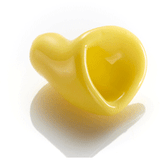
Custom-moulded earplugs are made from an impression of the individual's own ear canal, so they sit flush and stay put without pressure. They are also available with acoustic filters, which lower the overall volume while keeping speech intelligible - so the wearer can still hold a conversation rather than being cut off from it.
That distinction matters. The aim is usually not silence. It is reducing the sensory load to something tolerable while keeping the person connected to what is going on around them.
Choosing the right level of reduction
How much reduction someone needs varies a great deal. Some people want the edge taken off a busy room; others need considerably more in genuinely loud settings such as concerts or fireworks. Filters can be matched to the environment rather than defaulting to the highest available attenuation, which can leave the wearer feeling isolated or unable to hear someone calling them.
It is also worth considering where they will be used. A plug worn at school all day has different requirements from one used occasionally at events.
NDIS funding
Custom earplugs may be funded under an NDIS plan. We work with participants, families and support coordinators regularly - see our NDIS participants page for how that works and what is needed.
Where to start
An impression is taken by a qualified audiologist, and we work with a network across Australia. Browse custom ear plugs, read more on earplugs for sensory overload, or talk to our team about what would suit.
If noise sensitivity is causing significant distress, it is worth discussing with an audiologist or occupational therapist alongside any hearing protection.