

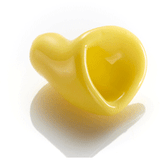




A custom earplug left loose in the bottom of a tool bag, gym bag or jacket pocket can pick up grit, get crushed, or disappear just when you need it. Knowing how to store custom earplugs properly protects the precise fit you invested in and helps keep them comfortable, clean and ready for the next shift, ride, rehearsal or night away.
Custom-moulded earplugs are designed around the contours of your ears. They are durable, but they are not indestructible. A few simple storage habits can prevent avoidable damage, reduce hygiene issues and extend the useful life of your hearing protection.
Store custom earplugs in their protective case
The best place for custom earplugs is their dedicated protective case. Put them away as soon as they are clean and dry, rather than wrapping them in tissue or dropping them into a pocket. A rigid case protects the earplugs from being bent, stepped on or knocked against keys, tools and other hard objects.
For industrial workers, that may mean keeping the case in a clean compartment of your PPE bag, locker or ute. Musicians and venue staff may prefer a consistent place in their instrument case or gig bag. Motorcyclists can keep the case in a jacket pocket or tank bag, provided it is zipped and protected from loose items. The best storage spot is the one you will use every time.
Avoid storing left and right earplugs separately. If your case has labelled sections, use them. Keeping the pair together means you are less likely to lose one, mix them up or leave a plug behind after cleaning.
Never put wet earplugs straight into a sealed case
Moisture is the main storage issue to manage. Earwax, sweat, rain and water from cleaning can all leave moisture on the surface or in the sound channel. Closing damp earplugs into an airtight case can create an unpleasant environment for odours and residue to build up.
After cleaning, gently dry your earplugs with a clean, lint-free cloth and allow them to air dry fully before closing the case. Do not use a heater, hair dryer or direct sunlight to speed up the process. Excess heat can affect the material, filters and moving parts over time.
This matters particularly for swimming earplugs, where water exposure is expected, and for people working long shifts in humid conditions. If your earplugs have been exposed to heavy rain, perspiration or water, give them more time to dry before storing them away.
Keep them away from heat, chemicals and pressure
Custom earplugs should be stored at normal room temperature, somewhere dry and out of direct sunlight. Leaving them on a dashboard, in a hot car or beside a window can expose them to significant heat. Australian summers can make enclosed vehicles especially harsh on soft materials and small acoustic filters.
Keep earplugs away from solvents, fuels, aerosols, cleaning sprays and oils. This is particularly relevant on worksites, in workshops and around motorsport equipment. If a case has been contaminated by a chemical spill or oily residue, clean or replace the case before placing your earplugs back inside.
Pressure can be just as damaging as heat. Do not force your earplugs into an overfilled pocket, squash them beneath a hard hat, or leave them loose where heavy gear can sit on top of them. A custom plug that becomes distorted may no longer seal as intended. Comfort and protection both depend on the earplug maintaining its original shape.
Clean before storage, but keep the routine simple
Daily cleaning does not need to be complicated. Wipe the outer surface after use, especially if the earplugs have been worn for work, exercise, travel or a long event. Use appropriate earplug cleaning products or a lightly dampened cloth as directed for your particular model.
Be careful around filters and sound channels. Custom musician earplugs and filtered industrial earplugs may use acoustic components that need to stay clear and dry. Do not push sharp objects into the sound bore to remove wax or debris. Use the cleaning tool supplied with your earplugs, and follow the care instructions for that product.
A quick inspection while cleaning can save trouble later. Look for visible wax buildup, cracks, damaged pull tabs, loose filters or material that appears misshapen. If an earplug starts feeling different in the ear, do not assume it is still providing the same seal. Arrange professional advice or fit and seal testing where appropriate, particularly if the plugs are part of workplace hearing protection.
How to store custom earplugs for work
Workplace earplugs often get the hardest treatment. They move between site, vehicle, crib room, locker and home, and may be handled with dusty or gloved hands. A protective case is not a luxury here - it is part of looking after your PPE.
Make storage part of your end-of-shift routine. Remove the plugs with clean hands where possible, wipe them down, check that the filters or channels are clear, then return them to their case. Store the case somewhere protected from dust, moisture and crushing loads.
For safety managers and employers supplying custom hearing protection, encourage workers to keep cases with their other required PPE. Replacement cases and cleaning accessories are useful site consumables because they remove the temptation to store earplugs loose in a pocket or toolbox.
Custom earplugs are made for repeat use, but a secure storage routine supports the long-term value of that investment. It also helps workers arrive ready to wear the hearing protection selected for their specific noise environment.
Storage for musicians, riders and frequent travellers
Different routines create different risks. Musicians may take earplugs in and out several times during a set, then pack up in a hurry after the show. Put the case somewhere obvious in your gig bag, not loose beside cables, picks and adapters. If you remove your earplugs briefly, place them in the case rather than on a bar, amplifier or backstage table.
For motorcyclists, wind, road dust and rain can all affect earplug cleanliness. Keep the case in a secure, easy-to-reach pocket so you are not tempted to leave plugs inside your helmet. A helmet is not a clean storage container, and a plug can be lost or damaged among straps and padding.
Travellers and light sleepers should keep their case in a consistent place, such as a toiletry bag or bedside pouch. Avoid placing earplugs loose on a hotel bedside table, where they can easily be knocked onto the floor or swept up with linen. If you use them during a flight, wipe them before returning them to the case.
Do not share custom-moulded earplugs
Custom earplugs are made for one person’s ears. Sharing them is unhygienic and will not provide the proper fit for someone else. Store them in a labelled case if several household members or team members use similar ear protection, especially where cases look alike.
Labelling is also useful for workplaces, touring crews and sports teams. Use a name or simple identifier on the outside of the case, not on the earplug itself unless the manufacturer’s instructions specifically allow it. Permanent marker or adhesive labels on the plug can interfere with cleaning or damage the surface.
When storage problems are a sign to seek help
A case cannot fix an earplug that no longer fits, has damaged filters or has been exposed to heat or chemicals. If the material has changed shape, the plug feels loose, causes discomfort, or no longer seems to seal consistently, stop relying on it until it has been checked.
For custom hearing protection used at work, acoustic leakage testing can help confirm whether the earplugs are achieving an effective seal. This is especially worthwhile after a significant change in comfort, damage to the plugs, or a long period of heavy use. Good storage protects the product, but regular attention to fit protects the person wearing it.
Treat the case as part of your hearing protection, not an accessory that can be left behind. Clean, dry and protected custom earplugs are easier to wear every day - and the earplugs you have with you are the ones that can help protect your hearing when noise levels rise.
