

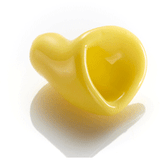




A crowded supermarket, a ringing phone, a hand dryer in a public bathroom and chairs scraping across a café floor can add up quickly. This NDIS sensory earplugs case study follows a common situation faced by Australians with sensory sensitivity: everyday noise was not just unpleasant, but was affecting routines, participation and the energy left for the rest of the day.
This is a representative case study based on the kinds of needs discussed with Hearsafe Australia. It is not a clinical assessment, and the result of any earplug choice will depend on the person, their sensory profile, comfort preferences and the environments they need to manage.
The challenge: noise was shrinking the week
The participant, whom we will call Sam, is an adult NDIS participant living independently and working part-time. Sam could manage familiar tasks at home but found unpredictable sound difficult. Shopping centres, public transport, busy family gatherings and shared office days were especially demanding.
The issue was not simply volume. Sudden sounds were confronting, while continuous background chatter made it hard to follow a conversation or concentrate on a task. After a noisy outing, Sam often needed hours of quiet recovery time. That reduced the number of appointments, social events and errands that felt manageable in one week.
Sam had tried disposable foam earplugs. They reduced sound, but the experience was not right for daily use. They felt too blocked during conversations, were uncomfortable after a short time, and were not practical to carry and reuse. Sam also worried about using something that made it harder to hear announcements, support workers or approaching traffic.
That distinction matters. Sensory earplugs are not about removing a person from the world. The aim is to reduce the sharpness and fatigue of certain environments while keeping daily communication as workable as possible.
NDIS sensory earplugs case study: choosing the right approach
The first step was to define the main use cases rather than searching for one earplug to do everything. Sam needed support in places with steady crowd noise, such as shops and cafés, as well as short periods of intense noise, including events and family gatherings.
A reusable, purpose-designed earplug was considered more suitable than a disposable option because it could be carried every day, cleaned and used consistently. The focus was on comfort, predictable attenuation and the ability to choose an option that suited speech-heavy environments. For some people, a filtered design can be preferable because it lowers overall sound without making everything feel as muffled as a solid plug. Others may prefer greater reduction in particular situations. It depends on the person and the environment.
Fit was central to the decision. An earplug that is technically suitable but uncomfortable will often stay in its case. A poor seal can also make sound reduction inconsistent. For participants who need an exact fit, custom-moulded earplugs may be worth considering. They are made from ear impressions and shaped to the wearer’s ears, which can improve comfort and retention for regular use.
Hearsafe Australia is a registered NDIS Provider and can assist participants who are exploring hearing protection for sensory needs. Eligibility and funding decisions sit with the participant, their plan and the relevant NDIS processes, so funding cannot be assumed. The practical starting point is still the same: identify the functional problem, the environments involved and the product features that may help.
A gradual introduction made the difference
Sam did not begin by wearing earplugs for an entire day. That would have made it difficult to judge comfort and could have added another unfamiliar sensation to manage. Instead, the approach was gradual.
At home, Sam wore the earplugs for short periods while doing familiar tasks such as preparing dinner or watching television. This helped establish whether the fit was comfortable and whether the level of sound reduction felt useful rather than isolating. Next came lower-pressure outings: a quiet café, a short shop visit and a trip on public transport outside peak time.
Once those situations felt more predictable, Sam used the earplugs during a busier supermarket visit and a family lunch. The participant kept a simple note on their mobile after each outing: where they went, how long the earplugs were worn, whether conversation was manageable and how much recovery time was needed afterwards.
This record helped identify a useful pattern. The earplugs were most effective when worn before Sam felt overwhelmed, rather than only after noise had become intolerable. They were also more useful in busy, sustained environments than in every setting. At home in a quiet room, Sam generally preferred not to wear them.
What changed in daily participation
Over several weeks, the biggest change was not that noisy places became silent. They did not. The change was that Sam felt more prepared to enter them.
Supermarket trips became easier to complete without leaving early. At family gatherings, Sam could stay longer by taking short breaks outside and using the earplugs while the room was at its busiest. On shared office days, Sam reported less end-of-day fatigue when using hearing protection during concentrated work and removing it for important one-to-one conversations where appropriate.
The earplugs also supported clearer planning. Rather than avoiding an outing altogether, Sam could decide: this location will be busy, I will take my earplugs, choose a quieter time if possible and allow a break afterwards. That sense of choice can be valuable when sensory demands have begun to dictate a person’s routine.
There were limits. The earplugs did not remove every trigger, and there were times Sam chose to leave a noisy environment anyway. They were one support within a broader set of strategies, alongside quieter shopping times, breaks, clear communication with support workers and choosing seating away from speakers or kitchen noise.
Safety and communication still come first
Hearing protection needs to be used with judgement. Sam did not wear earplugs in situations where full awareness of alarms, instructions or traffic was essential unless the setting had been considered carefully. In some environments, reducing sound too much can create a safety risk.
It is also worth being direct about expectations. Earplugs are hearing protection products, not a treatment for sensory processing differences, tinnitus, anxiety or hearing loss. They cannot cure these conditions. What they may offer is a practical way to reduce exposure to unwanted sound and make particular situations feel more manageable.
For people who use custom-moulded earplugs regularly, fit and seal are worth checking. Changes in comfort, movement during wear or inconsistent sound reduction can all affect the experience. Proper cleaning and storage also matter, particularly when earplugs are carried in a bag, pocket or car.
Questions worth asking before choosing sensory earplugs
A useful product decision starts with the real-world problem. Consider where the earplugs will be used most often, whether speech needs to remain clear, how long they may be worn, and whether the wearer dislikes pressure in the ear canal. A person attending occasional loud events may need something different from someone managing daily noise in public spaces.
It is also sensible to think about routine. Reusable earplugs need a case, regular cleaning and a habit of bringing them along. Custom options involve ear impressions, but may be a stronger long-term choice for people who need reliable fit and frequent use. There is no single best option for every NDIS participant.
The most helpful outcome in Sam’s case was not total quiet. It was having a practical tool ready before the week became smaller because of noise. If sensory sound sensitivity is making everyday outings harder, explore hearing protection options designed around your routine and discuss NDIS participant support with Hearsafe Australia.
