

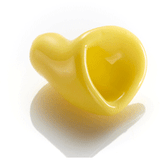




A filtered earplug only works properly when it seals correctly. Knowing how to insert filtered earplugs can make the difference between comfortable, useful protection and a plug that feels loose, muffled or ineffective. Whether you are heading onto a worksite, playing a set, riding a motorcycle or trying to reduce everyday noise, the goal is the same: reduce damaging sound without cutting you off from the world around you.
Unlike disposable foam plugs, filtered earplugs are designed to lower sound more evenly. That can make speech, music and environmental cues easier to understand while reducing overall exposure. The trade-off is that reusable filtered plugs need more careful fitting and regular cleaning to perform as intended.
Start with the right earplug for the job
Before insertion, make sure the earplug suits your environment. A musician or venue worker may need a filtered plug that preserves the character of music and allows conversation between sets. A tradie or industrial worker may need certified hearing protection selected for the noise risks of the role. Motorcyclists often prioritise wind-noise reduction and all-day comfort, while light sleepers may prefer a softer design made for night-time wear.
One earplug is not automatically right for every situation. The best option depends on the noise level, how long you are exposed, whether you need to communicate, and whether you must meet workplace safety requirements. If a worksite has a hearing conservation programme, follow the site’s rules and wear the protection specified for the task.
Filtered earplugs are not a substitute for higher-protection equipment where extreme noise exposure requires it. In some settings, such as shooting or very high-noise industrial tasks, double protection may be appropriate under workplace procedures or professional safety advice.
How to insert filtered earplugs for a reliable seal
Wash and dry your hands first. Dirt, wax and moisture can transfer to the earplug, affect comfort and make cleaning harder later. Check the plugs for damage, blocked filters, splits or hardened material before use.
1. Identify left and right
Many reusable and custom-moulded earplugs are marked for the left and right ear. Use the correct side. A custom plug is shaped to the individual ear, so swapping sides can prevent a proper seal and create pressure points.
2. Hold the earplug by the outer section
Avoid pushing directly on the filter or sound channel. Hold the outer body or removal tab, depending on the design. If your plugs have interchangeable filters, check that the filter is fully seated before placing the plug in your ear.
3. Straighten the ear canal gently
Reach over your head with the opposite hand and gently pull the top of your ear up and back. This straightens the ear canal and makes insertion easier for most adults. There is no need to force the ear or pull hard.
4. Insert with a slow twisting motion
Guide the earplug into the ear canal opening and rotate it gently until it sits securely. A reusable filtered earplug generally sits at the entrance of the canal rather than being pushed deeply inside. Stop when it feels snug and comfortable.
For custom-moulded plugs, follow the natural contours of your ear. They often settle into place with a small twist. The outer portion should sit neatly in the bowl of the ear without protruding so far that it catches on helmets, earmuffs or clothing.
5. Check the seal
Release your ear and listen to the change in surrounding sound. A correctly inserted earplug should reduce the overall loudness noticeably, while filtered designs may still allow speech and music to sound comparatively clear. The plug should not feel as though it is working its way out when you talk, chew or move your jaw.
If sound seems almost unchanged, the plug may not be seated correctly. Remove it, check that it is clean, and try again. If it feels painful, overly tight or creates persistent pressure, do not keep forcing it into place.
What a good fit feels like
A proper fit is secure, not painful. You should be able to wear the earplugs without constant adjustment, but you should not experience sharp discomfort, itching or a blocked, pressured feeling that does not settle.
Custom-moulded filtered earplugs are often a strong option for people who struggle with universal sizes or wear protection for long shifts. Because they are made from impressions of your ears, they can offer a more stable fit under helmets, communication headsets and other personal protective equipment. They are also well suited to musicians, venue staff and people with regular noise exposure who need comfort over many hours.
Even a custom product can lose effectiveness if it is damaged, incorrectly inserted or affected by changes in the ear canal. Significant weight changes, ear surgery, ageing and other changes can alter fit over time. If an earplug begins to feel loose or no longer seals as it once did, have it assessed rather than assuming it is still providing the intended protection.
Common insertion mistakes
The most common mistake is rushing. People often press a reusable plug against the ear opening without using the up-and-back ear movement, then assume the product does not fit. Taking a few seconds to straighten the canal and rotate the plug into position usually makes a major difference.
Another issue is inserting a plug immediately after swimming, showering or heavy exercise. Excess moisture can affect grip and comfort. Dry your outer ear gently before fitting the plug.
Do not modify filtered earplugs by cutting stems, widening channels or removing filters unless the product instructions specifically allow it. Altering the design can affect fit, hygiene and the level of protection. Likewise, avoid sharing reusable earplugs. They are personal items and should be kept clean between uses.
Care keeps filtered earplugs comfortable
Earwax is normal, but buildup can block sound channels and filters. Wipe reusable earplugs with a clean, dry or slightly damp cloth after use, following the care instructions supplied with the product. Store them in their case, away from direct heat, dust and loose items in a bag or ute console.
Custom earplugs may need specific cleaning tools or products. Avoid harsh chemicals, alcohol-based cleaners or hot water unless the manufacturer’s instructions say they are suitable. These can damage the material or filter components.
Inspect your plugs regularly. Replace filters, seals or plugs when they are worn, damaged or no longer performing as expected. A durable reusable earplug can reduce reliance on disposable foam plugs, but only when it is maintained and used consistently.
When to stop and seek advice
Do not insert earplugs if you have an active ear infection, ear drainage, significant pain or recent ear surgery unless a qualified health professional has advised you that it is appropriate. If you experience ongoing discomfort, dizziness, worsening ringing in the ears or a noticeable change in hearing, remove the earplugs and seek clinical advice.
Hearing protection helps prevent further noise damage, but it cannot restore hearing already lost. That is why fit matters. The best earplug is not merely the one with a filter or a premium material. It is the one that suits your exposure, seals comfortably and is worn every time the noise starts.
For frequent noise exposure, consider a purpose-built reusable or custom-moulded solution and make correct insertion part of your routine before every shift, ride, rehearsal or event.
