





A day at the pool, beach or surf can leave water trapped in the ear canal long after you have towelled off. That damp, warm space can irritate the skin and allow bacteria to multiply. Knowing how to stop swimmer's ear starts with getting water out safely, protecting your ears before repeat exposure and recognising when home prevention is no longer enough.
Swimmer's ear is the common name for otitis externa, an infection or inflammation of the outer ear canal. It is different from a middle-ear infection. While swimming is a familiar trigger, it can also follow frequent showering, humid conditions, scratching inside the ear or cleaning too aggressively with cotton buds.
How to stop swimmer's ear with better drying habits
The simplest prevention is to dry the outer ear carefully after every swim, surf or shower. Tilt your head to each side and gently pull the earlobe in different directions to help trapped water drain. Use a clean towel to dry only the outside of the ear and the entrance to the canal.
If water still feels trapped, lie on the affected side for a few minutes or use a hairdryer on its lowest heat and fan setting, held well away from the ear. The goal is gentle airflow, not heat. A hot dryer held too close can burn sensitive skin or worsen irritation.
Avoid inserting cotton buds, tissues, bobby pins or fingers into the canal. They tend to push wax and moisture further in, create tiny scratches and remove the natural protective layer of wax. Earwax is not a sign of poor hygiene. In normal amounts, it helps repel water and protect the ear canal.
Drying drops are sometimes recommended for people who regularly get water in their ears, but they are not suitable for everyone. Do not use them if you have ear pain, discharge, a known or suspected perforated eardrum, grommets, previous ear surgery or any uncertainty about your ear health. Ask a GP, pharmacist or hearing health professional what is safe for your circumstances.
Keep water out before it becomes a problem
For occasional swimmers, careful drying may be all that is needed. For lap swimmers, surfers, triathletes, children who spend hours in the pool, or anyone who repeatedly develops irritation, keeping water out in the first place is often the more reliable approach.
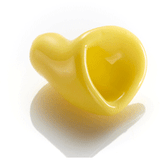
A properly fitting swimming earplug creates a barrier at the entrance to the canal. Reusable plugs suit many people, while custom-moulded swimming earplugs can be especially useful when standard sizes loosen, leak or become uncomfortable. A secure fit matters because a plug that shifts during a freestyle set is not delivering the protection you need.
Swimming earplugs designed for water activities can help reduce water entry without the waste of single-use options. They should feel comfortable enough to wear consistently, but never be forced deep into the ear canal. If a plug causes pain, pressure or rubbing, stop using it and reassess the fit.
Swimming earplugs are preventive equipment, not treatment. Do not wear them to cover up an active ear infection, discharge or significant pain. Trapping moisture behind a plug when the canal is already inflamed may make the situation worse.
Clean earplugs after every water session
Anything placed in the ear needs to be clean. Rinse reusable swimming plugs as directed after use, dry them completely and store them in a clean ventilated case. Do not leave wet plugs loose in the bottom of a swim bag beside damp towels, sand and sunscreen.
Custom earplugs need the same attention. They are durable, but they are not maintenance-free. Regular cleaning preserves both hygiene and fit, while checking for tears, changes in texture or damaged handles helps you replace a compromised plug before it starts leaking. See Hearsafe Australia's guidance on earplug care and maintenance for practical cleaning habits across reusable and custom protection.
Manage the factors that make swimmer's ear more likely
Water exposure is only one part of the picture. The ear canal is more vulnerable when its skin is already irritated. Eczema, psoriasis, dermatitis, narrow canals, heavy wax build-up and frequent use of in-ear devices can all affect the risk. So can over-cleaning.
If your ears feel itchy after swimming, it is tempting to scratch or probe for wax. Resist that urge. Itch can be an early sign of irritation, and breaking the skin gives bacteria an easier entry point. Instead, keep the ear dry and arrange advice if the itch persists.
Pool water is treated, but it is not sterile. Lakes, rivers and the ocean also bring different bacteria and debris into contact with the ear. That does not mean you need to avoid the water altogether. It means your prevention routine should match how often and where you swim. Someone taking a quick dip once a month has different needs from a surf lifesaver, swim instructor or regular ocean swimmer.
People who use hearing devices or earbuds should also be mindful of moisture. Never put earbuds into wet ears, and clean reusable in-ear items regularly. If you wear hearing aids, follow the care advice supplied for your device and speak with the provider managing it if water exposure or repeated outer-ear infections are an issue.
When swimmer's ear needs medical care
Early swimmer's ear can begin with itchiness, mild redness or a blocked sensation. It may then progress to pain when you tug the outer ear or press the small flap at the front of the canal, along with swelling, reduced hearing, discharge or an unpleasant smell.
See a GP promptly if you have worsening ear pain, discharge, fever, swelling around the ear, noticeable hearing changes, dizziness, or symptoms that do not settle quickly. Seek urgent care for severe pain, spreading redness or swelling, or if you feel unwell. People with diabetes, a weakened immune system or a history of complex ear problems should get medical advice early rather than trying to manage symptoms alone.
A clinician can look inside the ear and determine whether it is swimmer's ear, wax, a middle-ear problem, a skin condition or something else. Treatment may involve prescription eardrops and careful cleaning. Do not share ear drops, use leftover medication or assume every sore ear needs the same solution.
Make prevention part of your swim kit
The best routine is the one you will actually follow after a long session in the water. Keep a clean towel and your protective earplugs with your goggles, and dry your ears before you throw everything into the bag. If you are prone to recurrent swimmer's ear, speak with a GP about a prevention plan that accounts for your medical history and ear anatomy.
Water sports should not come with recurring ear pain. Choose protection that fits your activity, look after it properly and give persistent symptoms the medical attention they deserve. When you are ready to reduce water entering your ears, choose reusable or custom swimming earplugs suited to regular Australian pool, beach and surf conditions.
