





A nail gun firing beside you, a steel tray dropped on concrete, a rifle shot or a fireworks blast can be over before you have time to react. That is exactly why impulse noise hearing damage prevention needs to happen before the noise event, not after it. One sharp, high-level sound can place enormous stress on the delicate structures of the inner ear, and the damage may be permanent.
Impulse noise is not just an industrial issue. Australians encounter it on worksites, at shooting ranges, in motorsport pits, during demolition work, while using power tools and even at live events. The practical answer is not to avoid every loud environment. It is to wear hearing protection that suits the task, fits correctly and is ready before the first bang, crack or impact.
What makes impulse noise different?
Unlike steady noise from traffic, machinery or a busy venue, impulse noise arrives suddenly and peaks rapidly. Think of hammer strikes, drop hammers, explosive tools, firearms and metal-on-metal impacts. The short duration can create a false sense of safety: people assume that because the sound lasted a fraction of a second, it could not do much harm.
Your ears do not assess risk by duration alone. Very high peak sound levels can injure the sensory cells in the cochlea, the inner-ear structure responsible for hearing. These cells do not regenerate. A single exposure may cause muffled hearing, ringing, sensitivity to sound or a feeling of pressure in the ears. Symptoms may settle, but that does not guarantee no injury occurred.
The risk also builds across a shift, season or career. A fabrication worker may face repeated metal impacts all day. A recreational shooter may only attend the range occasionally, but is exposed to repeated sharp reports in a confined or reflective space. Prevention should account for both the peak noise and how often it occurs.
Impulse noise hearing damage prevention starts with preparation
The most effective protection is the protection you are wearing properly at the moment noise happens. Keeping earplugs in a toolbox, glovebox or gear bag is helpful only if they are easy to reach and comfortable enough to use every time.
Start by identifying where impulse noise is likely. On site, this should form part of the task planning process, particularly around impact tools, compressed-air equipment, demolition, metal work and sudden equipment releases. For recreational activities, consider the setting as well as the activity. An indoor range, a concrete workshop or a garage can reflect sound and increase the overall exposure compared with an open outdoor space.
For employers, hearing protection should be part of a broader noise-control approach. Quieter equipment, isolation, barriers, maintenance and work practices all have a role. Personal hearing protection is still essential when exposure cannot be reduced enough at the source, but it should not be treated as the only control.
Choose protection for the actual task
There is no single earplug that is ideal for every noisy situation. The right option depends on the type of noise, the need to communicate, other PPE requirements and how long it will be worn.
Reusable filtered earplugs can suit workers, musicians, venue staff and motorsport participants who need to reduce harmful sound while maintaining clearer situational awareness. A suitable acoustic filter can make speech and warning sounds easier to manage than heavily muffled, one-size-fits-all protection. The trade-off is that filtering must be matched carefully to the environment. If the task involves intense impact noise, more protection may be required.
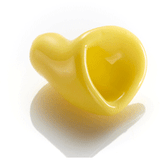
Custom-moulded earplugs are a strong option for regular users because they are made from an impression of the wearer’s ears. A secure, repeatable fit can improve comfort across a long shift or event, which helps reduce the temptation to remove protection. They are also practical for people who need to wear safety glasses, helmets or communication equipment.
For shooting and other very high-noise activities, earmuffs may be used alongside earplugs where risk assessment and site procedures call for dual protection. This combination can be particularly useful where repeated impulse noise, reflected sound or unpredictable exposure is present. The key point is to select approved protection appropriate to the hazard rather than relying on what happens to be nearby.
When comparing products, look for hearing protection rated to the relevant Australian Standard and consider its SLC80 rating. This rating helps indicate the expected level of protection when the product is correctly fitted, but it is not a promise that every wearer will receive the same result. Fit, seal, wear time and the surrounding noise all matter.
Fit is not a minor detail
A premium earplug cannot protect effectively if it is loose, inserted incorrectly or removed for part of the exposure. Even a small gap can allow sound to bypass the protection, especially when earmuffs are disturbed by glasses arms, hair, helmet straps or a poor headband position.
Disposable foam plugs can offer useful protection when rolled, inserted deeply enough and allowed to expand fully. In practice, many people fit them too shallowly or remove them repeatedly because they become uncomfortable. They are best treated as a practical short-term option, not an excuse to settle for poor fit where noise exposure is routine.
Custom earplugs help solve the comfort and consistency problem, but they still need to be checked. Ear shape can change over time, and inserts, filters and seals need to be maintained. For workplaces using custom protection, acoustic leakage testing can provide confidence that the earplug is sealing as intended. It is a practical way to identify fit issues before workers rely on the plugs in a high-noise area.
Avoid the small habits that create big gaps
Hearing protection only works during the noisy part of the task. Taking plugs out to speak to a colleague, hear a radio call or cool down for a minute can sharply reduce the protection achieved over the day. Plan communication before work begins, use agreed hand signals where suitable and choose protection that supports the level of awareness the job requires.
Keep earplugs clean and stored in their case. Dirt, damaged seals and worn components can affect comfort and hygiene, and may compromise the fit. Reusable plugs should be inspected regularly for cracking, hardening or distortion. If they no longer fit securely, it is time to replace or reassess them.
Do not modify hearing protectors by trimming flanges, drilling filters or mixing parts from different systems. Small changes can affect the way the product performs. The same applies to wearing earbuds beneath earmuffs unless the equipment and work procedure specifically allow it.
Build protection into work and recreation
The strongest prevention plan is the one that becomes automatic. Put hearing protection on before starting the grinder, entering the range, walking onto the stage or stepping into the workshop. Keep a spare set where you need it: in the ute, instrument case, range bag, work locker or motorcycle jacket.
For safety managers, make hearing protection selection a conversation rather than a box-ticking exercise. A worker who needs to hear instructions, wear a hard hat and use a respirator has different needs from someone operating a press in a fixed area. Providing task-specific options and checking fit can improve both compliance and protection.
For musicians and venue staff, the goal is not silence. It is controlled sound reduction that lets you perform, communicate and enjoy music without repeatedly overloading your ears. For motorcyclists, it may mean managing wind noise without losing the awareness needed on the road. Good protection respects the activity instead of making it harder to do.
When a noise event has already happened
If you experience sudden hearing change, persistent ringing, pain, dizziness, discharge or a blocked sensation after a loud blast or impact, seek prompt medical advice. Do not assume the problem will simply disappear, and avoid further loud-noise exposure while you arrange care.
Prevention remains the best protection because hearing damage cannot be undone by a better earplug bought later. Choose hearing protection that matches your environment, confirm it fits well and make wearing it the first step before the noise begins. For regular exposure, consider custom-moulded hearing protection designed around the way you work, ride, perform or play.
