





The booth can feel like the best seat in the house until your ears start ringing on the drive home. DJ filter selection is about avoiding that trade-off: reducing the volume reaching your ears while keeping enough musical detail to beatmatch, cue tracks, read the room and communicate with your team. The right filter should make a loud set more manageable, not make your headphones, monitors and crowd sound like they are behind a wall.
Hearing damage from excessive noise is permanent. For DJs, the risk is rarely one dramatic moment. It is usually the accumulated exposure of rehearsals, warm-up slots, late finishes, headphones turned up to compete with booth monitors, and repeat weekends in loud venues. Purpose-built musician earplugs give you a more useful alternative to foam plugs, which can muffle high frequencies and change the balance you rely on when mixing.
Why DJ filter selection is different
A DJ needs protection and accuracy at the same time. You are not simply trying to block sound. You need to hear the kick and bass relationship, pick out timing in a hi-hat, judge the vocal level, and notice when a transition is not sitting properly. You may also need to take a quick instruction from venue staff without removing your earplugs.
That is why a flat or more even sound reduction profile matters for many performers. Rather than heavily cutting certain parts of the frequency range, musician filters are designed to lower the overall level more naturally. The result is still quieter, but the character of the music is better preserved than it is with a basic disposable plug.
The best choice depends on your usual environment. A DJ playing intimate bars, private events and occasional club sets has different needs from a techno DJ facing high booth volume for several hours, or a mobile DJ setting up beside powerful PA speakers at weddings and corporate events. There is no single filter that suits every set.
Start with the noise you actually work in
Think about where the loudest sound reaches you, not just how loud the venue feels from the dancefloor. In some booths, the monitor is close to one ear and the main PA is reflecting off hard surfaces behind you. In others, the headphones are the issue because the booth monitoring is poor. Outdoor events can feel less intense but still involve long exposure near speakers.
Your set length matters too. A higher level of attenuation may be sensible for a long festival day or regular high-volume club work, while a moderate filter can suit lower-volume venues where clear conversation and detailed monitoring are more important. If you are removing plugs halfway through a set because you cannot hear what you need, the solution is not necessarily less protection. It may be a different filter, a better fit, or a change to your monitoring setup.
Also consider how often you perform. A single monthly gig and three nights a week are very different exposure patterns. DJs who spend additional time producing, rehearsing in studios, attending gigs or working in venues should account for the total noise load across the week.
Lower, moderate and higher attenuation filters
Filter ranges are commonly chosen by the balance between awareness and protection. Lower attenuation is often favoured where volume is controlled and speech needs to remain easy to follow. It can be useful for quieter functions, early sets or DJs who need regular client interaction.
Moderate attenuation is a practical starting point for many club, bar and event DJs. It reduces the level while generally retaining enough clarity for cueing and mixing. For performers moving between varied venues, this is often the most versatile option.
Higher attenuation suits consistently loud environments, extended sets and performers positioned close to monitors or speaker stacks. The trade-off is that you may need to adjust how you cue and monitor. Some DJs initially respond by turning headphones up too far, which can defeat the purpose of wearing protection. Give yourself time to adapt before judging a stronger filter as unsuitable.
Do not select solely on the basis that more reduction must be better. An earplug that is so strong you repeatedly remove it, or compensate by increasing headphone volume, is not supporting safer listening habits. Look for a level you can wear consistently for the full set.
Fit matters as much as the filter
A premium filter cannot perform as intended if the earplug does not seal properly. Generic reusable earplugs can be useful, particularly for occasional events, but fit varies widely between ears. A loose plug may shift when you talk, smile or move behind the decks, creating inconsistent sound and protection.
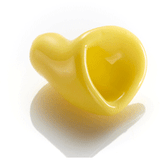
Custom-moulded earplugs are made from impressions of your ears, giving the plug a secure, comfortable fit that is designed for extended wear. This is especially valuable for DJs who perform regularly, dislike the pressure of universal plugs, or need dependable sound night after night. A close fit also makes it less tempting to pull one plug out when the room gets hectic.
For workplaces and teams, Hearsafe Australia can also provide acoustic leakage testing of custom-moulded earplugs. This checks the fit and seal of the plug, helping identify whether sound may be leaking around it. While DJs are not usually thinking like a safety manager, the principle is relevant: the practical protection you receive depends on both the filter and the seal.
Protect your ears without changing your workflow
Earplugs should become part of your DJ kit, alongside headphones, USBs, adaptors and backup cables. Keep them in their case and put them in before you enter the booth, rather than waiting until the first drop feels too loud. Your ears adjust to a lower listening level, but they need a little time.
You can make the transition easier by changing a few habits. Set booth monitor volume before the room fills where possible. Keep one headphone cup only as loud as needed for cueing. Avoid standing directly in front of a monitor during long waits between sets. If the booth layout allows, position yourself away from the most direct speaker output.
There is a learning period with any musician earplug. The first set may feel unfamiliar because you have spent years associating loudness with energy and control. In practice, reducing excessive volume can make fatigue less noticeable over a long night. Many performers find they concentrate better once they stop fighting the booth volume.
Look for rated protection, not vague promises
When comparing hearing protection, check that the product has an applicable Australian Standard rating, including its SLC80 value where provided. This rating helps you compare products on a consistent basis. Marketing phrases such as “noise reducing” or “concert earplugs” do not tell you enough about the protection offered or whether the product suits repeated high-noise use.
Comfort, cleanability and durability also matter. Reusable earplugs need regular care to remain hygienic and comfortable. Clean them according to their instructions, let them dry fully, and store them in a protective case rather than loose in a pocket or the bottom of a gig bag. Replace parts or seek advice if the plug becomes damaged, hard to clean or no longer feels secure.
If you are unsure between two filter levels, describe your typical venues, set duration, booth position and headphone use when seeking product advice. That conversation is more useful than choosing based on a single rating alone. The goal is hearing protection you will genuinely use, from soundcheck to last track.
Your hearing is part of your equipment. Treat DJ filter selection with the same care you give your headphones and monitors, then build a setup that lets you play with confidence for years to come. Explore Hearsafe Australia’s music and venue hearing protection range to find reusable and custom options suited to your sets.
