

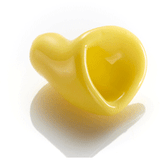




A plug that feels fine for ten minutes can become unbearable halfway through a shift, a long-haul flight or the second set at a gig. That is why custom earplug comfort is about far more than soft material. The earplug needs to match the shape of your ear, stay secure as you move and reduce sound in a way that suits what you are doing.
Comfort matters because hearing protection only works when it is worn properly and consistently. If earplugs pinch, cause pressure, work loose or make communication impossible, people understandably take them out. In noisy environments, those small breaks can leave your hearing exposed to damage that cannot be reversed.
Why custom earplug comfort is different
Every ear canal has its own curves, angles and dimensions. Even your left and right ears may be noticeably different. Universal earplugs are designed to accommodate a wide range of ears, which can make them a practical option for occasional use. But the compromise is that the wearer has to adapt to the plug rather than the plug being made for them.
Custom-moulded earplugs begin with an ear impression taken by a qualified partner. That impression is used to create plugs shaped specifically for your ears. The goal is a stable, even seal without the need to force a generic tip deeper into the canal.
For many people, the difference is most obvious over time. A correctly made custom earplug can feel less intrusive during an eight-hour shift, while riding, sleeping or performing. It should remain in place when you talk, chew, wear a helmet or move around, reducing the urge to keep readjusting it.
That does not mean every custom plug feels invisible from the first minute. Your ears are sensitive, and a new fit can take a short adjustment period. Comfort should improve as you become used to inserting and removing the plugs. Persistent pain, rubbing, sharp pressure or a plug that repeatedly backs out are signs worth acting on, not simply putting up with.
Fit is the foundation, but seal still matters
A comfortable earplug also needs to seal effectively. A small gap around the canal can allow noise through, even if the plug appears to fit. This is especially relevant in industrial settings where consistent protection and correct wear are central to workplace safety.
A custom earplug should sit securely without excessive pressure at the canal entrance or outer ear. If it is too loose, it may shift with jaw movement. If it is too tight, it can create soreness, fatigue or a feeling of blocked pressure. The best fit balances retention and comfort.
For workplaces using custom-moulded protection, acoustic leakage testing can provide useful confirmation that the earplug is sealing as intended. This fit-and-seal check helps identify leakage that may not be obvious to the wearer and supports better use of hearing protection across the team. It is a practical step for safety managers who want more confidence than a visual fit check alone can provide.
The material changes how earplugs feel
Most quality custom earplugs use a soft, durable material designed for repeated wear. The material needs enough flexibility to be comfortable while holding its shape and maintaining a reliable seal. A very soft feel is not automatically the best choice, however. If a plug deforms too easily, it may be harder to insert consistently or less stable during active work.
Surface finish also matters. Earwax, moisture, dust and skin oils can build up on any earplug, making insertion less pleasant and affecting hygiene. Regular cleaning helps the plug slide into place more easily and reduces irritation from accumulated debris.
Keep custom plugs in their case when not in use, rather than loose in a pocket, toolbox or glove box. Avoid exposing them to excessive heat, and follow the manufacturer’s care instructions. Proper care protects both the material and the fit you invested in.
Choose attenuation for the task, not just maximum quiet
One of the biggest comfort mistakes is choosing hearing protection solely because it promises the greatest possible noise reduction. In some situations, strong attenuation is appropriate. In others, it can leave you feeling isolated, unable to hear instructions or disconnected from the environment around you.
The right custom earplug filter depends on the noise, the duration of exposure and the need to hear speech, warning signals or music clearly. For workers, that may mean selecting protection suitable for the noise risk assessment and checking the product’s rated SLC80. For musicians, DJs, venue staff and concert-goers, it often means reducing volume while retaining a more natural sound balance.
Motorcyclists may prioritise reducing wind noise without making traffic awareness feel compromised. Light sleepers may want a low-profile design that does not press uncomfortably against the pillow. Swimmers need a watertight fit suited to water exposure, while shooters require protection designed for high-impact impulse noise.
These needs are different, so there is no single ‘most comfortable’ earplug for everyone. The comfortable choice is the one that works for your environment without creating a reason to remove it.
Pressure, occlusion and the blocked-up feeling
Some people worry that custom earplugs will make their own voice sound booming or make them feel cut off. This is commonly known as the occlusion effect. It can make talking, chewing or breathing sound unusually loud inside your head.
Occlusion varies between people and use cases. A deeper or more sealed fit can increase the sensation for some wearers, while a different design or filter may improve the experience. Musicians and people who need regular face-to-face communication are often particularly aware of it.
Be specific about this concern when arranging ear impressions or selecting protection. Mention whether you need earplugs for site communication, singing, rehearsals, sleeping on your side, helmet use or sensory noise reduction. Good product selection starts with the actual situation, not a generic label.
When comfort problems mean the plugs need attention
Custom earplugs are built for long-term use, but your ears and day-to-day needs can change. Weight changes, dental work, frequent jaw tension and natural changes to the ear canal can alter how a plug feels. Damage, wear or poor cleaning can also affect performance and comfort.
Pay attention if you notice any of the following:
- pain, hot spots or soreness that does not settle after a brief adjustment period
- one earplug working loose, rotating or needing constant repositioning
- a clear reduction in seal or more noise getting through than expected
- cracks, tears, hardening or a surface that will not clean properly
Comfort supports consistent hearing protection
There is a practical reason custom protection is often chosen by people who wear earplugs regularly: a comfortable fit makes the safe choice easier to repeat. That can mean putting plugs in before starting the grinder, before stepping into a loud venue, before a long ride or before settling into bed near persistent noise.
Reusable custom earplugs can also reduce reliance on disposable foam plugs. For regular users, that means less waste and a familiar fit that does not change from pair to pair. Foam plugs still have a place for temporary or occasional needs, but they rely heavily on correct rolling, insertion depth and expansion every time they are used.
For organisations, comfort is not a luxury feature. It influences whether workers wear protection for the full period of exposure. A well-chosen custom solution, combined with clear fitting guidance and attention to seal, supports a more practical hearing conservation approach.
If noise is part of your work, recreation or sleep routine, do not settle for earplugs you cannot wait to remove. Choose hearing protection around the way you actually live, and make comfort part of protecting your hearing for the long term.