



A grinder starts up, a ute reverses, compressed air releases and the radio is still playing in the crib room. For many Australian workers, noise is not one dramatic event. It is the background to every shift. Workplace earplugs are there to reduce the cumulative risk of permanent noise-related hearing damage, but only if workers can wear them properly and consistently.
That is where many hearing protection programs fall short. A box of disposable plugs may meet a procurement requirement, yet it cannot help much when plugs are left in pockets, inserted poorly or removed whenever someone needs to speak to a supervisor. Effective hearing protection has to work in the real conditions of the job: heat, sweat, helmets, safety glasses, radios, changing noise levels and long shifts.
Why workplace noise deserves more attention
Hearing damage from excessive noise is permanent. It can affect how clearly someone follows conversations, hears warning signals, communicates with family or enjoys music after work. Tinnitus can also be an ongoing concern for people exposed to loud sound.
The risk is not limited to one type of worksite. Construction, mining, manufacturing, warehousing, transport, agriculture, workshops and maintenance environments can all expose workers to hazardous noise. Even jobs with intermittent loud tasks can create a problem when exposure adds up across the day.
Noise control should always begin at the source where possible. Quieter equipment, maintenance, barriers, isolation and better work practices can reduce exposure for everyone. But where noise remains a risk, personal hearing protection is an essential layer of defence.
The best workplace earplugs are the ones worn correctly
The most highly rated earplug on paper is not necessarily the best choice for a particular worker. Fit, comfort and task suitability decide whether protection stays in place for the full exposure period.
Disposable foam plugs can be useful for short-term or occasional needs, provided they are rolled and inserted correctly. The challenge is that correct insertion takes practice. If a plug sits near the entrance of the ear canal instead of expanding inside it, protection can be significantly reduced. Dirty hands, sweaty conditions and the need to replace plugs regularly can also make them less practical over time.
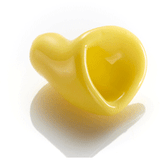
Reusable and custom-moulded options can offer a more reliable everyday solution for regular noise exposure. They are designed to be used repeatedly, cleaned and stored, rather than discarded after one shift. For workers who struggle with standard plugs, a custom fit can be the difference between protection that is tolerated and protection that is genuinely worn.
Comfort is not a luxury in a hearing protection program. If earplugs create pressure, irritation or a blocked-up feeling after an hour, workers will understandably take them out. The aim is a secure seal with a fit that remains comfortable from pre-start to knock-off.
Communication changes the decision
Workers often remove hearing protection because they need to communicate. This is especially common for supervisors, plant operators, trades working in teams and people who rely on radios or alarms.
The answer is not to accept unprotected exposure. It is to choose protection suited to the sound environment. Filtered custom earplugs can reduce damaging noise while allowing speech and useful surrounding sound to remain clearer than it may with basic foam plugs. The right filter depends on the workplace and the likely exposure, so product selection should be based on the actual tasks rather than a one-size-fits-all approach.
For a worker moving between quiet duties and noisy machinery, easy insertion and removal may matter most. For someone on a consistently loud production line, long-wear comfort and a dependable seal may be the priority. For a team with mixed roles, more than one style of protection may be appropriate.
What to look for when choosing earplugs for work
Start with certified hearing protection appropriate for use in Australia. The relevant product rating should be considered alongside the job, the expected noise exposure and other personal protective equipment. More attenuation is not automatically better if it leaves a worker unable to communicate safely or hear critical signals.
Compatibility matters as much as sound reduction. Earplugs should sit comfortably with hard hats, safety glasses, respirators and other required PPE. In dusty, wet or high-sweat environments, choose a solution that can be cleaned and maintained without fuss.
A practical workplace earplug choice should account for four things:
- the noise level and how long workers are exposed
- the need to communicate, hear alarms or use radios
- comfort across a full shift and compatibility with other PPE
- cleaning, storage and replacement requirements
Fit is not a once-only conversation
Handing out earplugs is not the same as confirming they protect. Workers need clear instruction on when to wear protection, how to insert it and how to inspect it for wear or damage. Supervisors also need a workplace culture where wearing hearing protection is normal, not treated as an inconvenience.
For custom-moulded earplugs, fit and seal can be checked using acoustic leakage testing. This assesses whether the earplug is sealing effectively in the ear, helping identify when an adjustment or replacement may be needed. It is a practical way for organisations to strengthen confidence in their hearing protection program without relying on guesswork.
Fit can change over time. Weight changes, jaw movement, wear and tear, incorrect cleaning or damage can all affect how an earplug sits. Workers should report discomfort, looseness, cracking or a sudden change in the way their earplugs seal.
Care protects the investment
Reusable earplugs need a simple care routine. Clean them as directed, allow them to dry, store them in their case and keep them away from extreme heat. A clean earplug is more comfortable to wear and easier to inspect for damage.
Custom earplugs are a durable alternative to continually throwing away disposable products, but they are not maintenance-free. Organisations should include cleaning and storage guidance in induction material and toolbox talks, particularly where earplugs are issued to a large team.
Build a program around real workers
A good hearing protection program does not treat every worker or task as identical. Ask where noise occurs, when protection gets removed and what prevents people from wearing it correctly. The answers are often practical: a poor fit, trouble hearing instructions, discomfort under PPE or no suitable place to store plugs between tasks.
Addressing those issues can improve compliance far more than simply repeating a rule. Workers are more likely to protect their hearing when the protection is comfortable, understood and suited to what they actually do.
For employers, investing in quality workplace earplugs also supports a more sustainable approach to PPE. Reusable and custom options can reduce reliance on single-use foam plugs while giving regular users a more personalised fit. It is a sensible long-term decision for teams exposed to noise week after week.
If your team needs a better fit, clearer communication and protection workers are more likely to keep in, request an industrial hearing protection quote or arrange a workplace assessment with Hearsafe Australia.