

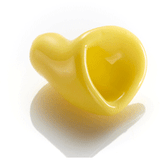




A filter that makes a gig sound dull, blocks a supervisor’s instructions or feels uncomfortable by morning is unlikely to stay in your ears. That is the practical challenge when you choose hearing protection filters: enough reduction for the noise you face, without losing the sound cues, speech or enjoyment that matter.
For many reusable and custom-moulded earplugs, filters are interchangeable acoustic inserts. They regulate how much sound enters the earplug, and in some designs they aim to reduce sound more evenly across frequencies than basic foam plugs. The right option depends on your environment, the duration of exposure and whether you need to communicate clearly while protected.
Start with the noise, not the filter colour
It is tempting to select a filter by choosing the highest available protection. More reduction is sometimes necessary, particularly in consistently loud industrial settings or around firearms. But maximum attenuation is not automatically the best outcome. If a filter makes warning signals, radio calls or nearby speech too difficult to hear, people may remove their protection at the worst possible time.
Think about where the noise comes from and how it behaves. A fabrication workshop may have sustained machinery noise punctuated by impact noise. A motorcyclist deals with wind turbulence and engine sound over a long ride. A drummer, DJ or venue worker needs to hear music accurately but at a safer level. These are different listening tasks, so they should not be treated as a one-plug-fits-all problem.
Also consider time. A short, very loud exposure can require a different approach to a full shift in a moderately loud setting. Workplace noise must be assessed and managed by the employer, and any hearing protector used for work should be suitable for the hazards identified. Look for the stated SLC80 rating when comparing certified products, rather than relying on vague claims such as “heavy duty” or “maximum protection”.
Choose hearing protection filters around your use case
Worksites and industrial settings
For tradies, plant operators and industrial teams, the priority is dependable protection that workers will wear correctly for the entire exposure period. The filter needs to match the noise assessment, while allowing practical communication where possible. A custom-moulded plug can be especially useful for workers who wear hearing protection daily, because consistent fit and comfort reduce the temptation to take plugs out between tasks.
The earplug itself matters as much as the filter. A poorly sealed custom plug can reduce real-world protection, even if its filter is appropriate on paper. For organisations introducing custom protection, on-site acoustic leakage testing can help check the fit and seal of custom-moulded earplugs. This is not a hearing test - it is a practical check that the plug is sealing as intended.
If workers move between quieter duties and high-noise tasks, a filter system may offer useful flexibility. That flexibility still needs a clear procedure. Nobody should be swapping filters in a noisy zone without understanding which option is required for that task.
Music, venues and performance
Musicians and venue staff often need a balanced sound rather than simply less sound. Vocals, timing, pitch and conversation all matter. Filters designed for music can preserve a more natural listening experience than a plug that heavily muffles higher frequencies, helping performers and crew wear protection for rehearsals, sets and pack-down.
The trade-off is straightforward: a filter selected for clarity may not suit a much louder environment with a greater protection requirement. If you perform one night and work in a loud workshop the next day, consider separate filters or separate pairs rather than trying to make one setting cover every situation.
Motorcycling and motorsport
Wind noise can be exhausting on the road, especially under a helmet over long distances. A suitable filter should reduce the fatigue-causing noise while leaving enough awareness for traffic, navigation prompts and mechanical changes. Comfort is critical here. A plug that presses painfully under a helmet or shifts when you put the helmet on will not provide consistent protection.
Custom moulded earplugs can be a worthwhile option for regular riders because they are made for the contours of your ears and can sit more securely beneath riding gear. For occasional riding, a reusable option may be enough, provided it achieves a proper seal and is used every ride.
Shooting and impulse noise
Shooting requires purpose-designed hearing protection. Gunfire is impulsive, which is different from the steady background noise of a factory or concert. Do not assume a music or motorcycle filter is appropriate simply because it is comfortable or reusable. Select protection intended for shooting and use it according to the range, discipline and conditions.
Some shooters may need layered protection, such as earplugs used with earmuffs, depending on the environment and range requirements. This is one area where convenience should never outweigh the level of protection required.
Sleep, travel and sensory comfort
Not every filter choice is about workplace compliance. For sleep, flights, shared accommodation or everyday noise sensitivity, comfort and tolerability tend to lead the decision. You may prefer a lower-profile plug, a softer material or a design that reduces nuisance noise without creating an isolating feeling.
Be realistic about the purpose. Sleep plugs may reduce disruptive sound, but they cannot make a noisy home, hotel or aircraft completely silent. If you need to hear an alarm, a child or another important cue, test your setup before relying on it overnight.
Understand the relationship between filter, fit and seal
A filter does not do all the work. Hearing protection works as a system: the plug’s design, the ear canal fit, insertion method, seal and condition all affect the result. This is why an excellent filter in an ill-fitting universal plug may perform less reliably than a well-fitted option with a more suitable level of attenuation.
Custom-moulded earplugs are made from impressions of your ears, giving them a stable and individual fit. They are particularly suited to people who wear protection frequently, need a slim profile under helmets or headsets, or have struggled with disposable plugs falling out. Hearsafe Australia can arrange ear impressions nationally through partnered audiologists and registered nurses, with workplace fittings also available where required.
Universal reusable plugs can still be an effective, practical choice. They are often a good starting point for occasional use, travel or situations where custom moulding is not necessary. The key is to follow the fitting instructions and check that both ears are sealed properly every time.
Ask these questions before you commit
Before choosing a filter, clarify four practical points: What noise am I exposed to? How long am I exposed to it? What do I still need to hear? And will I genuinely wear this protection correctly every time?
If you cannot answer the first question, pause before purchasing. For workplace use, speak with the person responsible for safety and review the site’s noise controls and hearing protection requirements. Hearing protectors are part of a broader approach that can include quieter equipment, barriers, maintenance and task planning.
For recreational use, reflect on the moments you usually remove earplugs. If that happens when talking to friends, putting on a helmet or checking sound at a venue, the solution may be a different filter, a different plug profile or a custom fit - not abandoning protection altogether.
Do not overlook maintenance and replacement
Reusable and custom earplugs need regular care. Clean them as directed, store them in their case and inspect filters, seals and plug bodies for damage. Earwax, moisture and debris can affect comfort and sound transmission, while worn components can compromise performance.
Filters are not necessarily interchangeable across all earplug models, and they should not be modified or substituted with unapproved parts. If your needs change - perhaps you start working in a louder area, take up motorcycling or return to regular live performance - ask for product selection guidance rather than guessing.
Permanent noise-related hearing damage is preventable, but only when the protection is suitable and worn consistently. Choose a filter that fits the noise you face and the life you actually lead, then make wearing it as routine as putting on a seatbelt.