

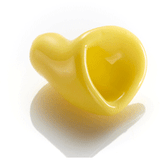




A crash cymbal can feel exciting in the moment, then leave your ears ringing on the drive home. For drummers, that pattern is not a badge of honour. It is a warning that your hearing has taken a hit. The top earplugs for drummers reduce damaging volume while keeping enough clarity to hear timing, dynamics and cues from the rest of the band.
The right choice is rarely the earplug with the biggest advertised noise reduction. Drummers need a reliable seal, comfort through long rehearsals, and sound that remains usable rather than dull and disconnected. Whether you play pub gigs, teach students, rehearse in a garage or spend full days in the studio, hearing protection should be part of setting up the kit.
Why drummers need specialised hearing protection
Drums produce sharp, high-energy peaks, particularly from cymbals and snare hits. Add guitar amps, vocal wedges and a small rehearsal room with hard walls, and the sound exposure can become serious very quickly. In Australia, the workplace noise exposure standard is 85 dB(A) averaged over eight hours, with a 140 dB(C) peak limit. A rehearsal is not automatically safe because it is shorter than a work shift. Loud peaks and repeated exposure still matter.
Standard foam plugs can reduce a great deal of noise when they are fitted properly, but they often remove upper frequencies unevenly. That can make cymbals disappear, speech become muddy and your own playing feel strange. Some drummers then loosen or remove the plugs halfway through a set, which defeats the purpose.
Musician-focused earplugs aim for a more even reduction across frequencies. You still hear the mix, but at a safer level. The result is generally less fatigue, better communication and a more natural sense of your kit.
Top earplugs for drummers by playing situation
There is no single best product for every drummer. The best option depends on how loud you play, how often you perform, whether you use in-ear monitors, and how much fit and sound quality matter to you.
Custom-moulded filtered earplugs for regular performers
For professional, semi-professional and highly committed drummers, custom-moulded musician earplugs are usually the strongest long-term option. They are made from impressions of your ears, so they sit securely without the pressure points or slipping common with universal plugs.
A filtered custom plug uses interchangeable acoustic filters to lower sound more evenly than basic foam. This matters when you need to judge cymbal tone, hear a click track, follow a singer’s count-in or respond to another musician’s dynamics. You are not trying to eliminate sound. You are trying to bring it down to a level your ears can tolerate.
Custom systems such as Elacin musician earplugs are particularly suited to frequent rehearsals, live performance and extended studio work. Filter strength should be selected for your actual environment. A lower filter may suit acoustic sets or teaching, while a higher filter may be more appropriate for loud rock, metal or amplified stages. The right level is personal, and more attenuation is not always better if it causes you to play harder or lose vital cues.
The trade-off is upfront cost and the need for professional ear impressions. In return, you get a durable, reusable solution designed for your ears, with a far better chance of being worn consistently.
Universal high-fidelity earplugs for rehearsals and gigs
Universal high-fidelity earplugs are an excellent starting point for drummers who want clearer sound without immediately moving to custom moulds. They use a reusable silicone or soft polymer tip with a small filter or acoustic channel intended to reduce volume more evenly than disposable plugs.
These plugs suit players who perform occasionally, are trying hearing protection for the first time, or need a practical option they can keep in a stick bag. Products in the Etymotic style are widely known among musicians because they are compact and designed to preserve a more balanced sound than foam.
Fit is the deciding factor. Universal plugs come with different tip sizes, and the correct size should create a stable seal without soreness. If your voice sounds unusually loud inside your head, that can be normal occlusion. If the plug feels loose, sounds inconsistent or backs out as you play, try a different tip size or consider custom protection.
Reusable filtered plugs for casual players
Reusable filtered plugs can work well for school band practice, community ensembles, occasional jam nights and home practice. They are often easier to insert than foam and may offer a more comfortable experience for people who dislike the expanding pressure of disposable plugs.
They are not all built the same. Look for a purpose-designed musician or live-music plug rather than a generic noise blocker, and check that the product’s stated attenuation and fit guidance suit your needs. If you also need hearing protection for work, choose equipment appropriate to that workplace and its required rating rather than assuming a music earplug is suitable.
Foam earplugs for emergency protection
Foam plugs remain useful, especially when you need immediate protection at a loud venue, forgot your regular pair, or want a low-cost backup. When properly rolled, inserted deeply enough and allowed to expand, they can provide strong noise reduction.
Their weakness for drummers is sound quality. They can make the kit feel muffled and alter your perception of the mix, particularly in the high frequencies. Still, muffled protection is safer than no protection. Keep a clean pair in your cymbal case, car or gig bag for the times you are caught out.
How much sound reduction do you need?
Start with the room and the music, not a number printed on packaging. A drummer using brushes in a jazz trio has very different needs from a drummer playing beside guitar stacks in a concrete rehearsal space. Cymbal-heavy playing, close stage monitors and long sessions generally call for more protection.
Many musicians find moderate, even attenuation easier to wear consistently than maximum reduction. If you can hear the band clearly at a comfortable level, you are less likely to pull the earplugs out. If the environment is extremely loud, moderate filters may not be enough. Move further from wedges where possible, reduce unnecessary stage volume, use sensible monitor levels and consider a higher-attenuation filter.
Do not use an earplug’s single-number rating as a promise of your real-world protection. Ear shape, insertion depth, movement and seal all change the result. A properly fitted reusable plug can outperform a poorly fitted plug with a higher claimed rating.
Fit matters as much as the earplug itself
An earplug that hurts after 20 minutes will end up in your pocket. A plug that shifts every time you move your jaw will leak sound. For universal models, take time to test each supplied tip size at home before relying on them at a gig.
Custom protection is worth considering if you play weekly, have narrow or unusually shaped ear canals, wear earplugs for several hours at a time, or have struggled to keep universal plugs in place. It is also a sensible investment for drummers with tinnitus, sound sensitivity or existing hearing concerns.
Keep reusable earplugs clean according to the manufacturer’s instructions and store them in their case. Dirt, earwax and damaged tips can affect hygiene, comfort and seal. Replace foam plugs once they are dirty, misshapen or no longer expand properly.
When ringing ears need more than a better pair of plugs
Temporary ringing, muffled hearing or a feeling of fullness after playing can mean you have exceeded a safe exposure level. These symptoms may settle, but repeated episodes should not be ignored. Reduce your exposure immediately and arrange a hearing assessment if ringing persists, hearing changes suddenly, one ear is affected more than the other, or you notice difficulty understanding speech in background noise.
Hearing damage is permanent, but the habits that prevent further damage are straightforward. Put your earplugs in before soundcheck or the first count-in, not when your ears already feel uncomfortable. If you are ready to move beyond disposable plugs, Hearsafe Australia can help match custom or reusable hearing protection to the way you play. Your future self should be able to enjoy the final cymbal crash just as much as the first.
