

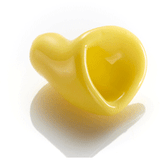




A clean set can turn into a frustrating session when one duck-dive leaves water trapped in your ear. For regular surfers, waterproof earplugs for surfing are not just a winter accessory. The right pair can help keep water, wind and sand out of the ear canal while staying comfortable enough to wear from the first paddle out to the last wave.
The goal is not to block every sound or make your ears literally waterproof. It is to create a reliable seal that reduces water entry without making you feel cut off from the people, conditions and hazards around you. Fit matters more than flashy features, particularly when cold water, a tight bonnet and repeated wipe-outs put an earplug to the test.
Why surfers should protect their ears
Surfer's ear is the common name for exostosis - abnormal bony growths inside the ear canal. It is associated with repeated exposure to cold water and wind, which is why it is especially common among surfers, divers and other ocean athletes. These growths can narrow the canal over time, making it easier for water and wax to become trapped and increasing the likelihood of recurring ear infections.
Early signs can be easy to dismiss: water that will not drain after a surf, frequent blocked-ear sensations, repeated infections or gradually muffled hearing. Once significant bony growth has developed, it does not disappear with a break from the surf. Severe cases may require surgery. Prevention is considerably easier than treatment.
Earplugs are not a guarantee against surfer's ear, and they do not replace sensible choices such as a bonnet or surf cap in very cold, windy conditions. They are, however, a practical barrier against the regular cold-water exposure that contributes to the problem.
There is another benefit. Water sitting in the ear canal can create the warm, damp conditions bacteria and fungi like. If you have ever lost a week of surf to swimmer's ear, a well-fitted reusable plug starts to look like a very sensible part of your kit.
Waterproof earplugs for surfing: what actually matters
A surf earplug needs to stay put, seal consistently and be manageable with wet hands. Many generic earplugs are designed for sleep, study or industrial noise. They may be useful in those settings, but they are not built for saltwater, repeated impact or the need to hear your surroundings on the water.
A secure, comfortable seal
The best earplug is one you will wear every session. It should sit securely in the outer ear without creating painful pressure in the canal. A loose plug can leak or fall out when you duck under a wave. An overly tight plug may cause soreness and encourage you to remove it halfway through the session.
Reusable silicone designs are popular because they can be washed, used repeatedly and fitted with different tip sizes. Look for a model designed specifically for water sports rather than a soft foam plug. Foam can absorb water, become unhygienic and lose its shape quickly. It also tends to be awkward to insert with wet fingers.
Some surf plugs include a retention leash or a neck cord. This is worthwhile if you are prone to losing gear in the wash or surf at a break where retrieving a dropped plug is unlikely. The trade-off is that a cord can feel distracting under a bonnet or around long hair. It is useful protection, but not essential for everyone.
Water protection without complete isolation
You still need awareness in the lineup. You may need to hear a mate call you onto a wave, a board cracking nearby, a jet ski, instructions from lifesavers or changing conditions around you. Earplugs designed for surfing commonly use a vented construction that limits water entry while allowing some sound and pressure movement.
This is different from using high-attenuation hearing protectors intended for a workshop or shooting range. Those products have an important place, but they can reduce environmental sound more than is practical for surfing. Choose protection for the activity, not simply the highest level of blockage available.
A vented plug can also feel more natural for some surfers when moving between the water and the surface. However, people’s ears and pressure sensitivity vary. If you experience pain, dizziness, persistent blockage or discomfort when using earplugs, stop using them and speak with a qualified health professional.
A fit that matches your ear shape
One-size reusable earplugs can be effective when the supplied tips suit your ear canals. They are a convenient choice for occasional surfers, travellers and anyone who wants a straightforward solution they can replace easily.
For frequent surfers, custom-moulded earplugs are worth considering. They are made from impressions of your ears, so the fit is shaped around your individual canal and outer ear. That can improve comfort, reduce movement and make regular use far more realistic, especially if standard tips regularly work loose or irritate your ears.
Custom protection is an investment, not an automatic upgrade for every person. If you surf only a few times each summer, a quality reusable water-sports plug may be all you need. If you are in the ocean every week, have recurring ear problems or have struggled to keep universal plugs in place, a custom fitting can be the more durable option.
How to get the seal right before you paddle out
Test new earplugs at home first, not ten minutes before a solid swell. Read the fitting instructions, wash your hands and make sure both the plug and your ears are dry. Insert the plug gently rather than forcing it deep into the canal. A secure fit should feel stable, not painful.
Check the seal by moving your jaw, turning your head and lightly tugging your ear. If the plug shifts, feels loose or causes sharp pressure, try another tip size or fit. On the beach, put the plugs in before applying sunscreen around your ears. Sunscreen and sand can make small plugs slippery and contaminate their seal.
If you wear a bonnet, try the full setup on land. Some bonnets push on the outer ear and can dislodge certain plug shapes. Others help retain the plug. The only useful answer is the one that works with your head shape, hair and normal surf gear.
Never use cotton buds to clean or dry deep inside the ear canal before or after a surf. They can push wax further in, irritate the skin and make trapped-water problems worse. Let water drain naturally, tilt your head gently and seek advice if blockage or pain persists.
Care keeps reusable plugs doing their job
Salt, sand and earwax will eventually affect the fit and hygiene of any reusable earplug. A quick routine after each surf extends the life of the product and reduces the chance of introducing grime back into your ears.
- Rinse the plugs with fresh water as soon as practical after surfing.
- Wash them according to the manufacturer’s directions, using mild soap only where recommended.
- Dry them fully before placing them in their storage case.
- Inspect tips, vents, cords and seals for splits, stiffness or damage before your next session.
When recurring ear trouble needs more than earplugs
Earplugs are preventative equipment, not treatment for an infection or an obstructed ear canal. Book an assessment if you have ongoing ear pain, discharge, itching, hearing changes, repeated infections or water that frequently stays trapped after surfing. These symptoms can have different causes, and guessing can prolong the problem.
It is also wise to seek professional guidance if you have grommets, a perforated eardrum, recent ear surgery or a diagnosed ear condition. The safest type of water protection may be different in these circumstances.
Hearsafe Australia can help regular surfers compare reusable and custom options based on how often they surf, the water temperature they face and the fit issues they have had before. A properly selected pair is small gear with a long-term purpose: keeping your ears comfortable enough to enjoy the next swell, and the many sessions after it.