



A grinder starts up beside the workshop, a ute reverses outside and the radio is competing with both. In that moment, the earmuffs vs earplugs workplace decision is not about personal preference alone. It affects whether protection is worn correctly for the whole shift, whether workers can communicate safely and whether noise exposure causes permanent damage over time.
Hearing loss from excessive noise is irreversible, but it is preventable. The right choice depends on the noise level, the job, other personal protective equipment (PPE), the work environment and, most importantly, whether each worker can achieve a consistent fit.
Earmuffs vs earplugs in the workplace
Both earmuffs and earplugs can provide effective hearing protection when they are correctly selected, fitted and worn for the entire time noise is present. Neither is automatically better in every workplace.
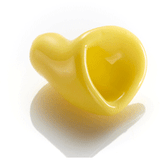
Earmuffs cover the outer ear with cushioned cups. They are quick to put on, easy for supervisors to see, and often suit workers who move in and out of noisy areas. Earplugs sit in the ear canal or outer ear, depending on the design. They can be disposable foam, reusable pre-moulded plugs or custom-moulded hearing protection made from impressions of the wearer’s ears.
The key distinction is fit. A high-rated product cannot protect as intended if its seal is broken, it is worn loosely, or it comes out repeatedly during the day. Even short periods without protection can significantly reduce the benefit of wearing it for the rest of the shift.
How protection is measured in Australia
Look for hearing protectors that meet the relevant Australian and New Zealand Standard and are suitable for the measured workplace noise level. The Single Number Rating, or SLC80, is commonly used to help select protection in Australia. It is not a promise that every worker will receive the same reduction in real conditions.
Hair, facial movement, glasses arms, helmet straps, sweat and incorrect insertion can all reduce real-world attenuation. That is why a workplace noise assessment, practical fitting instruction and ongoing checks matter as much as the number printed on the packaging.
When earmuffs are the practical choice
Earmuffs are often a strong option for short, intermittent noisy tasks. A worker walking between a quieter store area and a loud cutting station can put earmuffs on quickly without handling an earplug. They are also highly visible, which makes them easier to monitor during inductions and site inspections.
For visitors, contractors and workers who do not routinely wear hearing protection, earmuffs can be the simplest solution. They do not require insertion into the ear canal, and they can be shared only where hygiene procedures allow it. Disposable hygiene covers or individual issue arrangements may be needed.
Earmuffs can also be useful where workers have difficulty inserting earplugs correctly, or where a medical or comfort issue makes in-ear protection unsuitable. Some workers simply prefer the feeling of an external seal.
There are trade-offs. In hot Australian conditions, earmuffs can feel warm and sweaty over a long shift. The cushions may lose their seal around safety glasses, prescription glasses or long hair. They can conflict with hard hats, face shields, respirators and other PPE unless the equipment has been selected to work together. Damaged cushions, cracked cups and poor headband tension also reduce performance.
For a worker in a foundry, fabrication bay or concrete-cutting area, comfort is not a minor issue. If earmuffs come off every time the heat builds up, the actual protection may be far below what the rating suggests.
When earplugs make more sense
Earplugs are compact, lightweight and generally more comfortable than earmuffs in hot, dusty or confined environments. They fit under many helmets and face shields, and they are less likely to interfere with other PPE. For workers in tight plant rooms, under vehicles, inside cabs or moving through restricted spaces, that lower profile can be a real advantage.
Disposable foam plugs are widely available and economical for short-term use. However, they only work well when rolled, inserted and allowed to expand correctly. Many people insert foam plugs too shallowly, leaving much of the plug visible outside the ear. This feels secure but can provide far less noise reduction than expected.
Reusable earplugs offer a more durable alternative. They can be washed and re-used when maintained according to the manufacturer’s instructions, reducing the daily waste created by disposable foam. For regular users, they can also provide a more predictable fit than foam plugs, provided the size and design are appropriate.
Custom-moulded earplugs are particularly valuable for workers who wear protection for long shifts, struggle with standard sizes or need a dependable fit across repeated use. Because they are made to the individual ear, they can be comfortable enough for all-day wear while supporting a reliable seal. For teams with high exposure or a history of poor compliance, custom protection can be a practical long-term investment rather than a luxury.
Communication changes the answer
A common concern is that earplugs or earmuffs will make communication impossible. The reality is more nuanced. Unprotected noise does not improve communication - it masks speech, fatigues workers and can damage hearing. The goal is to reduce harmful sound while preserving the cues people need to work safely.
For steady, high-level industrial noise, passive earplugs or earmuffs may be appropriate. But roles involving radios, warning signals, verbal instructions or situational awareness may need more specialised solutions. Filtered custom earplugs can reduce overall noise more evenly than basic foam plugs, helping speech and warning sounds remain more natural. Electronic or level-dependent earmuffs may suit some tasks by reducing harmful impulse noise while allowing lower-level sound through.
These products need to be assessed for the actual work environment. A musician working a venue shift, a spotter around mobile plant and a tradesperson using a two-way radio do not have the same communication needs. Never assume that one hearing protector will suit every role on site.
Can workers wear both?
In very high-noise environments, workplaces may require dual protection: earplugs worn underneath earmuffs. This is often considered where exposure is extremely high, including certain impact, blasting or heavy industrial applications.
Dual protection should not be treated as a quick fix for poor controls. The first priority remains reducing noise at the source, isolating workers where possible and organising work to limit exposure. PPE is the final line of defence. It must be selected under the workplace’s noise control plan and worn correctly, because two poorly fitted protectors do not equal two layers of reliable protection.
Fit, hygiene and replacement matter
The best hearing protector is the one a worker can and will wear properly for the entire noisy period. That means involving workers in selection rather than issuing a single product to everyone. Offer suitable options, demonstrate fitting, and ask direct questions about pressure points, heat, PPE clashes and communication.
Earmuff cushions should be checked for cracks, flattening and contamination. Earplugs should be kept clean and stored in their case. Disposable foam plugs should not be re-used once dirty or misshapen. Reusable and custom plugs should be inspected for damage, changes in fit and blocked filters where applicable.
A worker’s needs can change too. Weight change, ear surgery, skin irritation, new PPE or a different role may affect comfort and fit. Regular review helps catch these issues before protection becomes something people avoid wearing.
Making a defensible workplace choice
Start with a noise assessment, not a catalogue. Identify the exposure level, whether noise is continuous or impulsive, how long workers are exposed, and what other PPE they need to wear. Then trial appropriate earmuffs, reusable plugs or custom options with the people doing the job.
For organisations across Australia, Hearsafe Australia can assist with workplace assessments, product selection, ear impressions and on-site fittings in Perth, helping teams move beyond one-size-fits-all protection. The aim is not to sell the highest rating on the shelf. It is to provide certified, comfortable protection workers will use consistently.
The right hearing protection should feel like part of the job, not an obstacle to it. When workers can hear what matters, stay comfortable and keep a proper seal from first tool-up to knock-off, their hearing has the protection it deserves.
