



A universal earplug that stays in all shift, remains comfortable at a gig and lets you follow a conversation can be an excellent choice. But when it repeatedly works loose, causes pressure, or leaves you unsure whether you are properly protected, the custom plugs versus universal question becomes far more than a shopping decision. It is about whether your hearing protection suits your ears, your noise exposure and the way you need to function.
Noise-induced hearing damage is permanent. The right earplugs can make a noisy workplace, ride, venue or flight more manageable, but only when they are worn correctly and consistently. That makes fit, comfort and the type of sound reduction just as relevant as the product itself.
Custom Plugs Versus Universal: The Core Difference
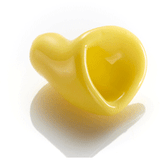
Universal earplugs are made in standard shapes and sizes. They are designed to fit a broad range of ear canals, usually with soft silicone, foam or flexible flanges that compress or seal against the ear. Many reusable universal options are a major improvement on basic disposable foam plugs, particularly for people who want a washable option or filtered sound reduction.
Custom-moulded earplugs are made from impressions of your own ears. The finished plugs follow the shape of each ear canal and outer ear, creating a personalised seal. They are not automatically the best choice for every person or situation, but they solve problems that a standard-size plug cannot always solve.
The practical difference is simple: universal plugs ask your ears to adapt to the product; custom plugs are made to match your ears.
Fit Is the First Safety Question
An earplug only protects when it forms and maintains an effective seal. If a plug backs out while you talk, chew, wear a helmet or move through a long workday, sound can leak around it. This is one reason a plug that looks right on paper may not feel or perform right in real life.
Universal plugs can fit very well, especially when the wearer has relatively typical ear canals and follows the fitting instructions carefully. They are convenient because they can be used straight away, shared across a team as individual items, and replaced easily if lost. For occasional noise exposure, they are often a sensible starting point.
However, ear canals vary more than most people realise. One ear may be narrower, bend differently, or need a different-sized tip from the other. People with smaller or unusually shaped ear canals can find that universal designs create pressure points or lose their seal. For them, a custom mould can make the difference between protection that sits in a drawer and protection worn every day.
For workplaces, a reliable seal matters particularly when protection is required across a full shift. Hearsafe Australia can also provide acoustic leakage testing for custom-moulded earplugs in appropriate workplace settings. This checks fit and seal performance, helping employers and workers confirm that the custom earplugs are sealing as intended.
Comfort Determines Whether You Will Keep Wearing Them
The most highly rated earplug offers little benefit if it comes out after an hour. Discomfort is one of the main reasons people remove hearing protection early, especially in hot conditions, under helmets or when communication is needed.
Universal plugs can be very comfortable for short-term use. Soft reusable models are light, portable and easy to keep in a pocket, bag or glovebox. They also make sense for people whose exposure is occasional: a concert every few months, a flight, a noisy home project or a weekend on the bike.
Custom plugs are generally the stronger option for long, repeated wear. Because they are shaped for the wearer, there is less need to force material into the ear canal or continually readjust the plug. Tradies, machinery operators, venue staff, musicians and motorcyclists often value that stable, low-pressure fit.
There is still an adjustment period. A custom plug can feel unfamiliar at first, and correct insertion matters. If your ears change significantly over time or the plugs become damaged, their fit should be reassessed rather than assumed to be fine indefinitely.
Protection Is Not One-Size-Fits-All
It is tempting to choose the earplug with the highest stated reduction, but stronger sound reduction is not always the right outcome. A musician may need to hear pitch, timing and speech clearly. A worker may need to hear alarms, instructions and nearby vehicles. A motorcyclist may want to reduce exhausting wind noise without feeling disconnected from the road.
This is where filtered earplugs can be useful. Rather than simply blocking as much sound as possible, they are designed to reduce sound more evenly or for a particular application. Custom products can use application-specific filters, allowing the earplug to be selected around the environment rather than relying on a generic level of reduction.
When comparing products for workplace use, look for an Australian Standard rating expressed as SLC80 where applicable. That rating should be considered alongside the actual task, the duration of exposure, other personal protective equipment and whether the plug can maintain a proper seal. Hearing protection should support safe work, not create new communication or situational-awareness problems.
For very high-noise work, shooting or motorsport, the right solution may involve a specific category of hearing protection or layered protection where required by the worksite or activity. Do not assume a general-purpose plug is suitable for every high-noise environment.
When Universal Earplugs Are the Better Buy
Universal does not mean inferior. A quality reusable universal earplug can be the right choice when you need a practical, immediate and flexible solution.
They are particularly useful for people trying filtered hearing protection for the first time, travellers wanting relief from aircraft or hotel noise, swimmers who need a simple water barrier, and concert-goers who attend occasional events. They are also useful as a backup pair in a work bag, instrument case, helmet compartment or bedside drawer.
Universal plugs are often easier to replace if lost, and they avoid the appointment process involved in custom moulding. That matters if your needs are changing, you are not yet sure which activity you need protection for, or you only wear earplugs a handful of times each year.
The key is to choose a product designed for the job. A sleep plug, swimming plug and filtered music plug have different priorities. Trying to make one universal product cover every situation can lead to poor comfort or unsuitable protection.
When Custom Earplugs Earn Their Place
Custom earplugs are an investment in people who wear hearing protection often enough for fit and durability to matter every week. They are especially worth considering if you have tried standard plugs and experienced soreness, slipping, uneven fit or a sense that one ear is not sealing properly.
They also suit environments where consistency matters. A worker who reaches for the same well-fitting pair at the start of every shift is more likely to wear protection correctly than someone constantly adjusting disposable plugs. For organisations, custom industrial earplugs can support a more tailored hearing conservation approach, particularly where teams need protection that is comfortable enough for regular use.
Musicians, DJs and venue professionals may prefer custom filtered plugs because they can reduce exposure while preserving a more natural listening experience. Frequent riders often value the secure fit beneath a helmet. Light sleepers may find that a low-profile custom design stays in place better through the night, although the right choice depends on sleeping position and personal comfort.
Custom plugs also reduce reliance on disposable foam products. With proper care, a durable reusable pair can help cut down the ongoing waste created by single-use options.
Think Beyond the Purchase
The best earplug is one you can keep clean, store safely and use correctly. Reusable universal plugs need regular cleaning according to their instructions, while custom plugs should be cleaned and checked for wear, changes in surface condition and blocked filters where relevant. Never share earplugs, and replace any product that no longer fits, seals or stays hygienic.
If you are selecting for employees, do not treat hearing protection as a box-ticking exercise. Consider the noise source, tasks, communication needs, other PPE, wearer comfort and the likelihood of consistent use. Giving workers a suitable choice can be more effective than issuing one style to everyone.
For individuals, start with the moment you most need protection. Is it the grinder at work, the drum kit at rehearsal, wind noise on the freeway, your partner's snoring, or water getting trapped in your ears? That answer will point you towards the right design more reliably than choosing on appearance alone.
If universal earplugs fit comfortably, seal consistently and suit your exposure, they may be exactly what you need. If they do not, custom-moulded hearing protection is a practical next step, not a luxury. Choose earplugs around the life you actually lead, and give your hearing the protection it cannot replace.
