



A grinder starts up, a nail gun fires nearby, a forklift reverses and the radio is calling for your attention. Finding the best earplugs for loud workplaces is not simply about buying the highest-rated plug on the shelf. The right protection needs to reduce damaging noise, fit well enough to be worn all shift, and still suit the way you work.
Noise-induced hearing loss is permanent. It can develop gradually after years on site, in a workshop, at a factory or behind the controls of heavy equipment. Ringing in the ears after work is not something to brush off as part of the job. It is a warning that your ears have been exposed to more noise than they can safely handle.
What makes an earplug right for a noisy workplace?
In Australia, workplace noise exposure is commonly assessed against an exposure standard of 85 dB(A) averaged over eight hours, with a peak limit of 140 dB(C). But a single decibel reading does not tell the whole story. Exposure time, sudden impact noise, the number of noisy tools running at once and whether protection is worn consistently all affect risk.
A circular saw, angle grinder, pneumatic tools, machinery and vehicle cabins can all create levels that require hearing protection. The best choice is the one that delivers suitable attenuation in the real world, rather than a product with an impressive rating that stays in your pocket because it is uncomfortable.
Look for hearing protection that is certified to the relevant Australian Standard and has an SLC80 rating appropriate for the workplace noise assessment. SLC80 is a useful guide to attenuation, but it should not be treated as a reason to choose the maximum possible rating every time. Too much sound reduction can make speech, alarms and plant movement harder to hear. In a complex work environment, protection and awareness must work together.
Fit is the non-negotiable
Earplugs only work when they seal correctly in the ear canal. Disposable foam plugs can provide effective protection, but they must be rolled down, inserted deeply enough and held in place while the foam expands. Many workers are handed foam plugs without being shown how to fit them, then receive far less protection than expected.
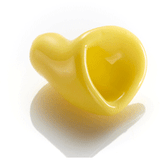
Reusable plugs are quicker to insert and may be a practical choice for workers who take protection in and out during the day. However, the ear canal is not one-size-fits-all. If a plug feels loose, creates pressure or works its way out with jaw movement, it is unlikely to provide dependable protection.
Custom-moulded earplugs are made from impressions of your ears. This creates a secure, comfortable fit that is especially valuable for people wearing protection for long shifts, using helmets or other PPE, or struggling with standard plugs. A well-made custom plug can also be easier to keep clean and use consistently over the long term.
Best earplugs for loud workplaces: choose by task
There is no single earplug that suits every crew, site and task. Selecting by work conditions produces a better outcome than treating ear protection as a generic consumable.
For construction, fabrication and industrial machinery
Workers exposed to continuous machinery, saws, grinders, presses or fabrication equipment generally need high, reliable attenuation. Properly fitted disposable foam plugs can be an economical option for short-term work or visitors, particularly where hygiene and easy distribution matter.
For regular workers, reusable industrial plugs or custom-moulded earplugs often make more sense. They reduce daily waste, avoid the ongoing cost of disposables and can be worn comfortably for extended periods. Custom options are particularly useful when workers need a consistent seal beneath hard hats, face shields or helmets.
If the noise level is extremely high, or if a workplace assessment calls for it, earplugs may be worn with earmuffs for dual protection. This should be guided by site procedures and the noise risk assessment, not assumed as the answer for every job.
For workers who must communicate clearly
Supervisors, plant operators, maintenance teams, musicians working in venues and staff in noisy production areas often need to hear speech while reducing harmful sound. Standard foam plugs can muffle voices and make communication feel difficult, which encourages workers to remove them at exactly the wrong time.
Filtered earplugs are designed to reduce noise more evenly across frequencies. Rather than blocking sound indiscriminately, they can preserve clearer speech and environmental awareness while lowering overall exposure. Custom filtered systems, including Elacin-style solutions, can be selected with different filter strengths for specific noise environments.
They are not a substitute for formal communication controls, visual signals or safe work procedures. They are, however, a strong option where clear hearing is part of doing the job safely and properly.
For intermittent or mobile work
Delivery drivers entering noisy depots, tradespeople moving between quiet and noisy tasks, and workers who use tools only part of the day need protection that is easy to access and put in correctly. Reusable plugs with a neck cord or a secure carry case can help prevent the familiar problem of leaving earplugs in the ute, toolbox or crib room.
Convenience matters because every unprotected minute adds to daily exposure. Choose a design that is simple enough to use without fuss, while still providing the attenuation required for the noisy task.
For hygiene-sensitive or shared environments
Food processing, laboratories, healthcare support settings and workplaces with strict hygiene processes may require individual issue, cleaning procedures or detectable earplugs. Brightly coloured or metal-detectable options can reduce contamination risk and make lost plugs easier to identify.
In these settings, disposable plugs may be appropriate, but they still need correct fitting instruction. A box of plugs at the sign-in desk is not a complete hearing protection programme.
Foam, reusable or custom: the practical trade-off
Disposable foam earplugs are affordable, widely available and capable of good attenuation when fitted correctly. Their drawbacks are fit variability, single-use waste and the fact that they can be difficult to insert with dirty hands. They are often best used as a practical short-term or visitor solution, rather than the only option for a permanent workforce.
Reusable earplugs offer a more durable alternative. They are easier for many people to insert and can be cleaned between uses, though they still come in standard sizes and shapes. They suit workers who want a straightforward step up from foam without the cost of a custom fitting.
Custom-moulded earplugs require a higher upfront investment and an ear impression appointment, but that cost needs to be viewed over their working life. For full-time noise exposure, the comfort, consistent fit, durability and reduced disposable waste can make custom protection a sound long-term decision. They are also worth considering for workers with unusual ear canal shapes, recurring fit issues or sensory sensitivities.
Avoid overprotection and underprotection
Underprotection is the obvious risk: harmful noise reaches the ear and cumulative damage follows. Overprotection can be a workplace issue too. If workers cannot hear speech, vehicle movement, radios or warning cues, they may remove their plugs or become less aware of what is happening around them.
The aim is not silence. It is controlled noise reduction suited to the hazard. This is why a workplace noise assessment, product rating and the worker’s actual job all matter. A press operator, a boilermaker and a warehouse picker may work in the same facility yet need different hearing protection solutions.
Hearing protection should also integrate with safety glasses, respirators, helmets and communication equipment. Test the complete PPE setup. A plug that feels fine on its own may shift when a helmet strap is tightened or become difficult to use with gloves.
Getting workplace earplug selection right
For employers, a thoughtful hearing protection programme starts with assessing noise and involving the people who wear the PPE. Offer suitable options where possible, train workers on insertion and care, and replace damaged or worn products promptly. Fit testing can provide additional confidence that earplugs are achieving meaningful real-world protection.
For individual workers, pay attention to comfort and warning signs. Ear pain, frequent slippage, muffled communication that makes you remove plugs, or ringing after a shift are reasons to review your protection. Do not keep forcing an earplug that does not fit.
Hearsafe Australia can assist with workplace-focused product selection, custom ear impressions, on-site fittings in Perth and industrial quote requests for teams across Australia. The right advice is particularly valuable when staff need certified protection without losing the ability to communicate and work safely.
Your hearing has to last beyond this roster, this project and this job. Choose earplugs that your team can wear correctly, comfortably and consistently - every time the noise starts.