

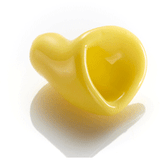




A snoring partner, late-night traffic, shift-work neighbours or a noisy hotel room can make a decent sleep feel out of reach. But are earplugs safe overnight? For most adults, the answer is yes - provided the earplugs fit properly, are kept clean and suit your ears. The risks usually come from poor fit, overuse, dirty plugs or using the wrong type for sleep.
Sleep is not a luxury. Ongoing broken sleep can affect concentration, mood, recovery and safety at work or on the road. The right hearing protection can reduce disruptive noise without turning a simple solution into an ear-health problem.
Are earplugs safe overnight for regular use?
Overnight earplug use is generally safe for people with healthy ears. Earplugs sit in the ear canal and reduce the level of sound reaching the eardrum. They do not block every sound, and they do not cause hearing loss when used correctly.
What they can do is trap moisture and earwax in the canal. If an earplug is dirty, pushed in too deeply or worn for too long without cleaning, that environment can contribute to irritation, wax build-up or an outer-ear infection. This is especially relevant in Australia’s warmer weather, after swimming, or for anyone who naturally produces a lot of wax.
The practical point is simple: your earplugs should feel comfortable, come out cleanly and leave your ears feeling normal in the morning. Persistent itchiness, pain, discharge, blocked hearing or a feeling of pressure is a reason to stop using them and speak with a GP, audiologist or hearing-care professional.
The main overnight earplug risks
The most common issue is wax. Earwax is normal and protective, but earplugs can gradually push wax deeper into the canal or prevent it from moving out naturally. This may leave your ear feeling blocked or make sounds seem muffled after you remove the plugs.
Irritation is another concern. A foam earplug that expands too firmly, a reusable plug with a rough edge, or a plug that is too large can rub the skin inside the canal. Side sleepers may notice this first, particularly with bulky plugs that press against the pillow.
There is also an infection risk when plugs are reused without being cleaned, shared between people, or inserted with unwashed hands. Bacteria and moisture do not belong in a closed ear canal overnight. This does not mean everyone who wears earplugs will get an infection. It means hygiene and product choice matter.
Finally, consider awareness. Earplugs can reduce the sound of alarms, a crying child, a smoke alarm or someone calling for help. A good sleep setup reduces nuisance noise while keeping essential alerts noticeable. Test your alarm with earplugs in before relying on them overnight, and use a vibrating alarm or mobile alert where appropriate.
Choose earplugs made for sleep
The best earplugs for a drummer, a factory floor or a motorbike ride are not always the best choice for bed. Sleep earplugs need a low-profile shape that remains comfortable when your ear is against a pillow. They should reduce disruptive sound without creating painful pressure.
Disposable foam earplugs can be effective and affordable for occasional use, travel or trialling whether noise reduction helps your sleep. They need to be rolled and inserted correctly, then allowed to expand in the canal. A poorly inserted foam plug may fall out, offer limited noise reduction or feel uncomfortably tight.
Reusable silicone or soft thermoplastic earplugs can be easier to handle and less wasteful than disposables. Their suitability depends on their shape, material and how well they match your ear canal. Avoid pushing mouldable silicone putty deep into the ear canal. It should seal the outer opening rather than be packed inside.
For frequent sleepers, custom-moulded earplugs can be a worthwhile long-term option. They are made from impressions of your ears, so the fit is more consistent and the profile can be designed for comfort. That makes a real difference for side sleepers, people with narrow or sensitive ear canals, and anyone who finds generic plugs too tight, too loose or unreliable.
At Hearsafe Australia, custom options and reusable sleep protection can be selected around how you sleep, the noise you are managing and whether you also need protection for travel, work or recreation.
More reduction is not always better
It is tempting to buy the highest-rated earplug available. However, maximum attenuation is not automatically the right answer for sleep. If you cannot hear an alarm, feel disconnected from your household or experience an uncomfortable sealed sensation, the plug may be reducing too much sound for your environment.
Aim to take the edge off the noise that wakes you - such as traffic rumble, conversation, snoring or nearby entertainment - while maintaining enough awareness to feel safe. A steady background sound, such as a fan or white noise machine, may also help mask inconsistent noises so you do not need extreme attenuation.
How to wear sleep earplugs safely
Clean hands are the starting point. Wash and dry your hands before handling any earplug. For foam plugs, roll the plug into a narrow cylinder without crushing it unevenly. Reach over your head with the opposite hand and gently pull the top of your ear up and back. Insert the plug only far enough to sit securely, then hold it in place while it expands.
Do not force an earplug into the canal. If it hurts, feels sharp, creates significant pressure or will not sit comfortably, remove it and try a smaller size or a different style. You should never need to push hard to get a seal.
In the morning, remove plugs slowly. Twist or ease a reusable plug out rather than tugging suddenly. With foam, break the seal gradually before removal. Sudden removal is unlikely to cause serious harm, but it can be uncomfortable if there is a tight seal or wax build-up.
Clean reusable earplugs according to the manufacturer’s instructions, usually with mild soap and water, then allow them to dry completely before storing them in their case. Foam plugs are generally designed for short-term, single-person use. Replace them when they are dirty, damaged, no longer expand properly or have been worn repeatedly.
Do not share earplugs. Even when they look clean, they are personal items that contact the skin inside the ear canal.
When you should avoid wearing earplugs overnight
Pause overnight use and seek professional advice if you have ear pain, discharge, bleeding, an active ear infection, recent ear surgery or a known eardrum perforation. People with grommets, chronic ear conditions or a history of frequent outer-ear infections should also ask their clinician which products are appropriate.
If your ears repeatedly feel blocked after using plugs, do not attempt to dig out wax with cotton buds, keys or other objects. This often pushes wax further in and can damage the delicate ear canal. A GP, audiologist or qualified ear-care provider can assess whether wax is the issue and advise on safe removal.
Tinnitus and sound sensitivity need a more individual approach. Some people sleep better with gentle sound reduction, while others find silence makes tinnitus more noticeable. If noise sensitivity is affecting sleep, work or daily life, the right plan may involve earplugs for specific noisy situations rather than wearing maximum protection at every opportunity.
Build a safer sleep routine around the earplugs
Earplugs work best as part of a practical sleep setup. Close windows when traffic is heavy, seal obvious gaps where possible, move the bed away from a shared wall and consider a fan or low, steady background sound. These changes can reduce the level of noise entering the room before your earplugs need to do their job.
If snoring is the issue, earplugs may protect your sleep, but they do not address potentially serious snoring or sleep apnoea in the other person. Loud, regular snoring with choking, gasping or daytime exhaustion deserves medical attention.
A comfortable, clean pair of earplugs can be an excellent tool for better rest. Choose a style designed for sleeping, keep it hygienic, check that you can still respond to essential alarms, and listen to what your ears are telling you. If they feel sore or blocked, change the approach rather than pushing through the discomfort.
