



A worker can be standing beside a grinder, press, compressor or haul truck with hearing protection in their ears and still be under-protected. The issue is often not whether earplugs were supplied. It is whether they fit, are worn properly and suit the job. Onsite earplug fitting for teams turns hearing protection from a box-ticking exercise into a practical control workers can rely on through a full shift.
Noise-induced hearing loss is permanent, yet it remains one of the most preventable workplace injuries. Ringing ears after work, difficulty following conversations in a noisy pub, or needing the television louder than everyone else are not harmless signs of a hard day. They can be early warnings that the ear has been exposed to more noise than it can safely handle.
For safety managers, supervisors and business owners, a well-run fitting day also addresses a familiar problem: people who remove their plugs because they hurt, fall out, muffle communication too much or simply feel inconvenient. Better fit helps close that gap between issuing PPE and actually wearing it.
Why onsite earplug fitting for teams matters
Workplace noise exposure is not always obvious. A noisy fabrication bay is easy to recognise, but repeated exposure can also occur in workshops, transport yards, maintenance areas, construction sites, manufacturing lines and venues. Under Australian workplace noise requirements, exposure needs managing when it reaches harmful levels, commonly assessed against an eight-hour average of 85 dB(A), with a peak limit of 140 dB(C). Noise monitoring and your relevant state or territory WHS requirements should guide the controls used at your site.
Hearing protection is only one part of the answer. Engineering controls, quieter equipment, maintenance, isolation and changes to work practices should come first wherever reasonably practicable. But where residual noise remains, correctly selected and fitted hearing protection is essential.
Generic disposable foam plugs can be effective when inserted correctly. The trade-off is that correct insertion takes practice, and the result can vary greatly between people. If a plug sits at the entrance of the ear canal rather than being rolled and inserted properly, its real-world attenuation may be far below the rating on the packet. Workers may also reuse disposables for too long, lose them or abandon them altogether when they are uncomfortable.
A fitting service gives each person the time and guidance to get this right. It also gives the business useful visibility: which protection types are accepted, where comfort issues arise and whether particular teams need a different solution.
What a quality fitting day should include
An effective onsite session is more than handing out earplugs and asking staff to sign a sheet. It should begin with an understanding of the work environment, including noise sources, shift length, communication demands and the other PPE workers must wear. Hard hats, safety glasses, respirators and radio headsets can all affect the choice of earplug or earmuff.
Selection based on the work, not the catalogue
The right protection depends on the task. A worker operating loud machinery may need a different level of attenuation from a supervisor moving between noisy and quiet areas. Over-protection can be a problem too. When hearing protection reduces sound excessively, workers can struggle to hear instructions, alarms or nearby plant, and may remove it to communicate.
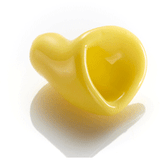
This is where reusable and custom-moulded earplugs can be particularly valuable. Custom plugs are made from impressions of the wearer’s ears, creating a secure and comfortable seal unique to them. Filtered options can reduce harmful sound while preserving clearer speech and environmental awareness than a solid plug in suitable applications. The precise product choice should always reflect the measured noise level and the safety needs of the role.
For a mixed team, one solution may not suit everyone. A practical programme might combine reusable plugs for regular site work, custom protection for high-use workers or personnel with fit issues, and task-specific protection for contractors or occasional visitors.
Individual fitting and wear instruction
Every worker should receive hands-on instruction, not just a demonstration from across the room. With foam plugs, this means showing how to roll the plug, reach over the head to straighten the ear canal, insert it deeply enough and hold it in place while it expands. A quick visual check can identify plugs that are protruding too far or have not sealed correctly.
With reusable or custom products, staff need to learn correct insertion, removal and storage. They should know what a proper seal feels like, and that discomfort, pressure points or a loose fit should be raised early rather than tolerated. Ear canals vary significantly, and a product that works brilliantly for one worker may not work for the next.
Good fitting also covers practical habits. Hearing protection needs to be worn before entering a noisy area and kept in for the whole exposure period. Removing plugs for even short conversations can significantly reduce their overall protection across a shift.
Clear care, cleaning and replacement guidance
Reusable earplugs are a long-term investment only when they are looked after. Staff need simple instructions on cleaning, drying and storing their plugs in a case away from dust, heat and chemicals. They should understand when a product needs replacement, such as when it is damaged, hardened, no longer seals properly or has been contaminated.
Custom-moulded earplugs are durable, but they are not fit-and-forget. Ear shape can change over time due to weight changes, dental work, ageing or medical factors. A periodic comfort and seal review helps protect the value of the original fitting.
Custom earplugs are not just a comfort upgrade
Comfort matters because discomfort drives non-compliance. A worker who can wear their hearing protection all day is better protected than one relying on a higher-rated option that sits in their pocket by smoko.
For teams that work in noise every day, custom earplugs can offer a compelling operational benefit. They are made for the wearer, can be used repeatedly for years with appropriate care, and reduce the waste created by daily disposable plugs. They are also easier to identify and keep track of when supplied with labelled cases.
That said, custom is not automatically the best answer for every workforce. Sites with a high turnover of short-term staff, infrequent noise exposure or large numbers of visitors may still need a reliable disposable or reusable off-the-shelf option. The strongest approach is often a tiered programme that gives regular high-exposure staff an option they will genuinely wear while maintaining suitable protection for everyone else.
Making a fitting day work around production
The best onsite sessions respect the pace of the workplace. Rather than pulling an entire crew off the floor at once, teams can be booked in around crib breaks, shift changes or planned downtime. Short individual appointments work well for impressions and personalised fitting, while a group education component can cover noise risk, correct wear and care procedures.
Before the day, nominate a site contact and provide a clear list of attendees, roles and any known challenges. Ask workers to bring existing hearing protection if they have it. This can reveal whether the issue is product selection, incorrect fit, poor maintenance or a lack of understanding about when protection is required.
During the session, encourage straightforward feedback. If workers say they cannot hear a spotter, their ears ache under a helmet, or plugs become difficult to manage with dirty hands, that is useful safety information. It may point to a product change, a training need or a broader work process issue.
Afterwards, keep records of products issued, fitting dates, care instructions and recommended review points. These records support your PPE programme and make it easier to plan replacements. They also help ensure a new supervisor understands what has been provided and why.
Questions safety managers should ask
Before organising onsite earplug fitting for teams, clarify the problem you are trying to solve. Is the priority higher compliance, recurring discomfort, high consumption of disposable plugs, communication concerns or a new noise-control programme? The answer affects the format and product range required.
Ask whether the fitting provider understands Australian Standards certification and can recommend protection appropriate to your measured noise exposure. Check how they manage ear impressions, hygiene and individual records. If your workforce includes people with tinnitus, sensitive ears or an existing hearing concern, make sure there is a clear pathway for appropriate assessment rather than assuming one product will resolve every issue.
For Perth workplaces, Hearsafe Australia can provide onsite fitting support for teams, alongside custom ear impressions and product guidance. Organisations outside Perth can still build a strong programme through consultation, suitable product selection and a clear process for individual fitting and follow-up.
Hearing protection works best when workers see it as equipment that helps them finish the day safely, not as another rule imposed at the gate. Give your team protection that fits their ears, their work and their everyday reality, and they are far more likely to wear it when the noise starts.